Herbs and spices are the unsung heroes of culinary arts, playing a pivotal role in transforming ordinary dishes into extraordinary experiences. These natural flavour enhancers have been cherished across cultures and generations, offering not only taste but also a rich tapestry of aromas that can evoke memories and emotions. From the fragrant basil in Italian cuisine to the fiery heat of chili peppers in Mexican dishes, the diversity of herbs and spices is as vast as the cuisines they represent.Incorporating herbs and spices into cooking is not merely about adding flavour; it is about creating a sensory journey that engages all the senses. The vibrant colours of fresh herbs, the earthy tones of dried spices, and the intoxicating scents that waft through the kitchen are all part of the magic.
This exploration of flavours is particularly significant when it comes to plant-based ingredients like tempeh, which can sometimes be perceived as bland or unexciting. However, with the right combination of herbs and spices, tempeh can be elevated to new heights, showcasing its versatility and nutritional benefits.As we delve deeper into the world of herbs and spices, we will uncover their historical significance, health benefits, and practical applications in cooking. Understanding how to effectively use these ingredients can empower home cooks to experiment boldly in their kitchens. Whether you are a seasoned chef or a novice cook, mastering the art of seasoning with herbs and spices will undoubtedly enhance your culinary repertoire and bring your dishes to life.
Understanding Tempeh: A Nutritional Powerhouse
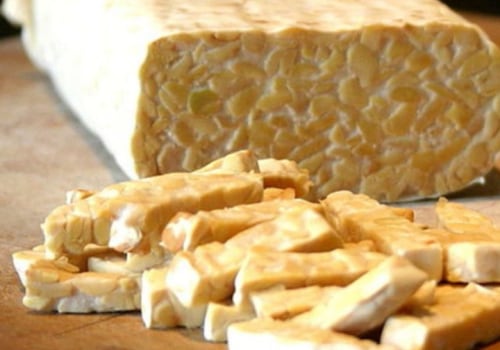
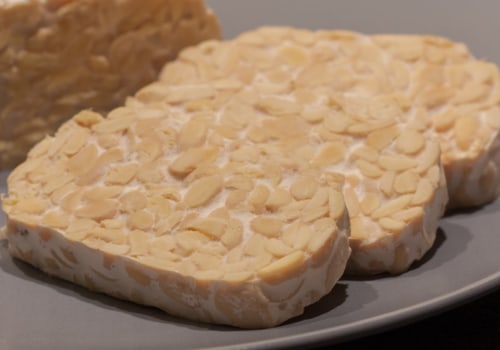
Tempeh is a traditional Indonesian food made from fermented soybeans, and it has gained popularity worldwide as a nutritional powerhouse and a versatile ingredient in plant-based cooking.Unlike tofu, which is made from soy milk, tempeh is produced by fermenting whole soybeans, resulting in a firm texture and a nutty flavour that can enhance a variety of dishes.The fermentation process not only contributes to its unique taste but also significantly boosts its nutritional profile. Tempeh is rich in plant-based protein , making it an excellent choice for vegetarians and vegans looking to meet their protein needs. A typical serving of tempeh (about 100 grams) contains approximately 19 grams of protein, which is comparable to meat sources. Additionally, tempeh is a complete protein, meaning it contains all nine essential amino acids required for human health.In addition to protein, tempeh is packed with essential nutrients:
- Vitamins: It is a good source of B vitamins, particularly B2 (riboflavin), B3 (niacin), and B6, which play crucial roles in energy metabolism and brain function.
- Minerals: Tempeh contains significant amounts of iron, calcium, magnesium, and phosphorus, all of which are vital for maintaining strong bones and overall health.
- Dietary Fiber: With about 7 grams of fiber per serving, tempeh supports digestive health and helps maintain stable blood sugar levels.
- Probiotics: The fermentation process introduces beneficial bacteria that can promote gut health and improve digestion.
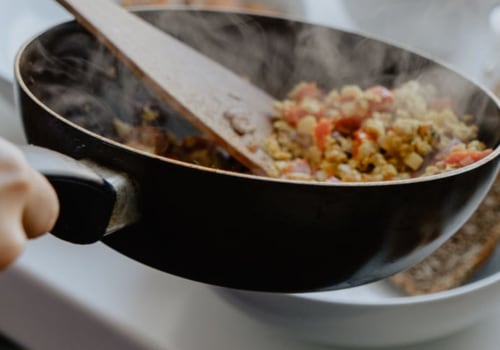
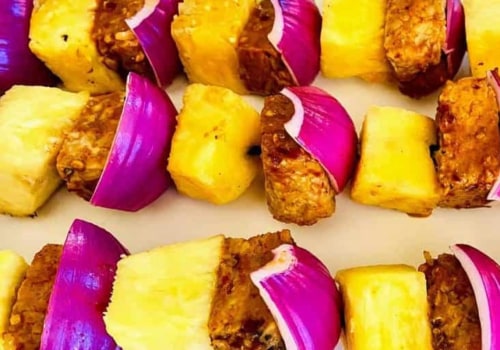
It can be marinated and grilled, sautéed with vegetables, or crumbled into sauces for added texture. When paired with herbs and spices, tempeh can absorb flavours beautifully, enhancing the overall taste of the meal. For instance, marinating tempeh in a mixture of soy sauce, garlic, ginger, and sesame oil before stir-frying can create a deliciously savoury dish that complements the natural nuttiness of the tempeh.In summary, tempeh stands out as a nutritious and adaptable food option that not only provides essential nutrients but also serves as a blank canvas for culinary creativity. Its rich protein content and health benefits make it an excellent addition to any diet, especially when combined with the vibrant flavours of herbs and spices.
The Role of Herbs and Spices in Cooking
Herbs and spices play a pivotal role in the culinary world, serving as the backbone of flavour in countless dishes.Their ability to transform simple ingredients into extraordinary meals is unparalleled, making them essential for both home cooks and professional chefs alike.
Cooking with Herbs
- Fresh vs. Dried: Fresh herbs, such as basil, parsley, and cilantro, offer vibrant flavours and aromas that can elevate a dish. They are best added towards the end of cooking to preserve their delicate qualities. In contrast, dried herbs like oregano and thyme are more concentrated and can withstand longer cooking times, making them ideal for stews and sauces.
- Herb Infusions: Infusing oils or vinegars with herbs can create a base for dressings or marinades that carry deep flavour.
For instance, rosemary-infused olive oil can enhance roasted vegetables or grilled meats.
- Herb Pastes: Blending fresh herbs with garlic, nuts, and oil into a paste can create a powerful flavour booster. Pesto is a classic example that showcases how herbs can be transformed into a versatile condiment.
Cooking with Spices
- Toasting Spices: Toasting whole spices before grinding or adding them to dishes releases their essential oils, intensifying their flavours. This technique is particularly effective for spices like cumin and coriander.
- Layering Flavours: Spices should be added at different stages of cooking to build complexity. For example, adding ground spices early in the cooking process allows their flavours to meld with other ingredients, while finishing with a sprinkle of fresh spice can provide a burst of aroma.
- Balancing Heat: Spices such as chili powder or cayenne pepper can add heat to dishes.
Balancing this heat with sweet or acidic elements—like honey or lime juice—can create a harmonious flavour profile.
Types of Herbs and Spices: An Overview
Understanding the different types of herbs and spices is essential for any culinary enthusiast.Each herb and spice brings its own unique flavour profile and culinary application, allowing for a diverse range of dishes. Below, we categorise some of the most common herbs and spices, highlighting their distinctive characteristics and uses in cooking.
Common Herbs
- Basil: Known for its sweet and slightly peppery flavour, basil is a staple in Italian cuisine. It pairs well with tomatoes, making it ideal for sauces, salads, and pesto.
- Oregano: This herb has a robust, earthy flavour that is often associated with Mediterranean dishes. Oregano is commonly used in pizza sauces, marinades, and grilled meats.
- Thyme: With its subtle minty notes, thyme is versatile and can be used in a variety of dishes, from soups to roasted vegetables.
It complements meats beautifully.
- Cilantro: Also known as coriander leaves, cilantro has a fresh, citrusy flavour that brightens up salsas, salads, and Asian dishes.
- Rosemary: This aromatic herb has a strong pine-like flavour. It is often used in roasted dishes, particularly with lamb and potatoes.
Common Spices
- Cumin: Cumin has a warm, earthy flavour with a hint of citrus. It is widely used in Indian, Middle Eastern, and Mexican cuisines.
- Paprika: Made from ground peppers, paprika can range from sweet to hot. It adds colour and depth to stews, soups, and rubs.
- Cinnamon: This sweet spice is often used in both sweet and savoury dishes.
It enhances desserts like pastries and can also be found in Moroccan tagines.
- Turmeric: Known for its vibrant yellow colour and earthy flavour, turmeric is a key ingredient in curries and is celebrated for its health benefits.
- Ginger: With its spicy and slightly sweet taste, ginger is commonly used in Asian cuisine. It adds warmth to stir-fries, marinades, and baked goods.
Understanding how to use these ingredients effectively will elevate your cooking and allow you to create complex flavour profiles that delight the palate.
Health Benefits of Herbs and Spices
Incorporating herbs and spices into your diet not only enhances the flavour of your meals but also offers a plethora of health benefits. These natural ingredients are packed with antioxidants, which play a crucial role in protecting the body from oxidative stress caused by free radicals. Free radicals are unstable molecules that can lead to cellular damage, contributing to chronic diseases such as cancer and heart disease. By consuming a variety of herbs and spices, you can significantly boost your antioxidant intake.Some of the most potent herbs and spices known for their high antioxidant content include:- Turmeric: Contains curcumin, a powerful antioxidant with anti-inflammatory properties.
- Ginger: Rich in gingerol, which has been shown to reduce oxidative stress.
- Cinnamon: Packed with polyphenols that help combat inflammation and oxidative damage.
- Oregano: Contains rosmarinic acid, known for its antioxidant effects.
Chronic inflammation is linked to various health issues, including arthritis, heart disease, and diabetes. Incorporating anti-inflammatory herbs and spices into your meals can help mitigate these risks. For instance:
- Garlic: Contains allicin, which has been shown to reduce inflammation in the body.
- Cayenne Pepper: The capsaicin in cayenne is known for its ability to reduce pain and inflammation.
- Basil: Contains eugenol, which has anti-inflammatory properties.
It also contains probiotics that support gut health. The combination of tempeh with antioxidant-rich herbs and spices not only enhances flavour but also creates a synergistic effect that promotes overall health.For example, a stir-fry featuring tempeh seasoned with ginger, garlic, and turmeric not only provides a delicious meal but also delivers a powerful punch of antioxidants and anti-inflammatory compounds. This makes it an excellent choice for those looking to improve their health through diet.In summary, the integration of herbs and spices into your daily meals can significantly contribute to better health outcomes. Their antioxidant and anti-inflammatory properties complement the nutritional advantages of tempeh, making them an essential part of a balanced diet.
Combining Herbs and Spices for Unique Flavours
Combining herbs and spices is an art that can elevate your culinary creations, especially when working with versatile ingredients like tempeh.This fermented soy product has a nutty flavour and firm texture, making it an excellent canvas for a variety of seasonings. To achieve a harmonious balance of flavours, it’s essential to understand how different herbs and spices interact with one another.
Understanding Flavour Profiles
Each herb and spice carries its own unique flavour profile, which can be broadly categorised into several types:- Herbaceous: Fresh herbs like basil, cilantro, and parsley add brightness and freshness.
- Earthy: Spices such as cumin and coriander provide depth and warmth.
- Spicy: Ingredients like chili powder or black pepper introduce heat.
- Citrusy: Zest from lemon or lime can enhance the overall flavour with a refreshing note.
Creating Balanced Combinations
A successful blend of herbs and spices should maintain balance. Here are some tips to achieve this:- Start Small: Begin with small amounts of each herb or spice.
You can always add more, but it’s challenging to correct an overpowering flavour.
- Layer Flavours: Introduce flavours gradually throughout the cooking process. For example, sauté garlic and onion first to build a flavour base before adding spices.
- Consider Texture: Fresh herbs can add a delightful crunch when added at the end of cooking, while dried herbs should be incorporated earlier to allow their flavours to develop.
- Cumin and smoked paprika: This duo adds warmth and depth, perfect for a smoky tempeh stir-fry.
- Basil and oregano: Ideal for Italian-inspired tempeh dishes, these herbs bring freshness and aromatic qualities.
- Cilantro and lime: A zesty combination that brightens up any tempeh taco or salad.
Storing Herbs and Spices for Maximum Freshness
Properly storing herbs and spices is crucial for maintaining their flavour, aroma, and overall potency. When stored incorrectly, these ingredients can lose their vibrancy and become less effective in enhancing your culinary creations. Here are some essential tips to ensure your herbs and spices remain fresh for as long as possible.General Storage Guidelines
- Cool, Dark Places: Always store herbs and spices in a cool, dark environment.
Exposure to heat and light can degrade their quality. A pantry or cupboard away from the stove is ideal.
- Airtight Containers: Use airtight containers to prevent moisture from entering. Glass jars with tight-fitting lids or opaque containers are excellent choices, as they also protect against light exposure.
- Labeling: Clearly label your containers with the name of the herb or spice and the date of purchase. This practice helps you keep track of freshness and ensures you use older items first.
Storing Fresh Herbs
Fresh herbs require a bit more care than dried ones.Here are some effective methods for storing them:
- Refrigeration: Wrap fresh herbs in a damp paper towel and place them in a resealable plastic bag before storing them in the refrigerator. This method helps maintain moisture without causing wilting.
- Water Method: For herbs like basil, mint, and parsley, consider placing them upright in a glass of water, similar to a bouquet of flowers. Cover the tops loosely with a plastic bag and store them in the fridge.
Storing Dried Herbs and Spices
Dried herbs and spices have a longer shelf life but still require proper storage to maintain their flavour:- Shelf Life: Most dried herbs can last up to 1-3 years, while spices can last 2-4 years. However, their potency diminishes over time, so it’s best to replace them regularly.
- Avoiding Clumping: If you notice clumping in your dried herbs or spices, it may be due to moisture.
Ensure your containers are sealed tightly and consider adding a food-safe desiccant to absorb excess moisture.
Substituting Herbs and Spices in Recipes
Cooking is an art that thrives on creativity, and one of the most effective ways to express this creativity is through the substitution of herbs and spices in your recipes. Understanding how to replace these flavourful ingredients can not only enhance your dishes but also allow for greater flexibility in your cooking.Why Substitute?
There are several reasons why you might need to substitute herbs and spices in your cooking. Perhaps you’ve run out of a particular ingredient, or you may want to experiment with different flavours to create a unique dish.
Additionally, dietary restrictions or personal preferences may necessitate substitutions. Whatever the reason, knowing how to effectively swap out herbs and spices can elevate your culinary skills.
Substituting Herbs
When it comes to herbs, the key is to find alternatives that share similar flavour profiles. Here are some common substitutions:
- Basil: Can be replaced with oregano or thyme for a similar aromatic quality.
- Parsley: Cilantro or chervil can serve as good substitutes, depending on the dish.
- Rosemary: Thyme or sage can provide a comparable earthy flavour.
- Dill: Fennel fronds or tarragon can mimic its distinct taste.
Substituting Spices
Spices can also be swapped effectively, but it’s important to consider their potency.
Here are some common spice substitutions:
- Cumin: Coriander or chili powder can be used as alternatives, though they will impart different nuances.
- Paprika: Smoked paprika can replace regular paprika for a deeper flavour, while cayenne pepper adds heat.
- Cinnamon: Nutmeg or allspice can provide a similar warmth in sweet dishes.
- Ginger: Ground ginger can be substituted with fresh ginger, but use less as it is more potent.
Tips for Successful Substitution
- Start small: When substituting, begin with a smaller quantity and adjust according to taste.
- Consider the cooking time: Some herbs and spices release their flavours at different rates; add them at appropriate times during cooking.
- Taste as you go: Regularly sampling your dish will help you gauge whether the substitution is working well.
Conclusion: Embracing the Flavours of Herbs and Spices with Tempeh
As we conclude our exploration of the vibrant world of herbs and spices, it is essential to reflect on their transformative power in cooking, particularly when paired with versatile ingredients like tempeh. This fermented soy product not only serves as a fantastic source of protein but also acts as a blank canvas, ready to absorb the rich flavours that herbs and spices offer.Throughout this article, we have delved into the myriad types of herbs and spices available, their unique flavour profiles, and the health benefits they provide. From the aromatic warmth of cumin to the refreshing zest of basil, each ingredient brings its own character to dishes. When combined with tempeh, these flavours can elevate meals from simple to extraordinary.Incorporating herbs and spices into your cooking with tempeh can be both an exciting and rewarding experience.Here are some key takeaways to inspire your culinary adventures:
- Experimentation is Key: Don’t hesitate to try different combinations of herbs and spices with tempeh. Whether you’re marinating it in a blend of garlic, ginger, and soy sauce or seasoning it with smoked paprika and thyme for a smoky twist, the possibilities are endless.
- Balance Flavours: When using herbs and spices, aim for a harmonious balance. Start with small amounts and adjust according to your taste preferences. Remember that some spices are more potent than others.
- Health Benefits: Embrace the health advantages that come with using fresh herbs and spices.
They not only enhance flavour but also contribute antioxidants and anti-inflammatory properties that can benefit your overall well-being.
- Creative Cooking: Use tempeh in various cuisines—be it Asian stir-fries, Mediterranean salads, or spicy Mexican tacos—allowing herbs and spices to shine through in each dish.