In the realm of culinary arts, the tools we choose can significantly influence the quality and efficiency of our cooking. Among these, large pots and pressure cookers stand out as indispensable kitchen essentials, particularly when it comes to preparing nutritious and flavourful dishes like tempeh. These versatile cooking vessels not only enhance the cooking experience but also allow for the creation of larger batches, making them ideal for families or meal prepping enthusiasts.Tempeh, a fermented soybean product originating from Indonesia, is celebrated for its rich protein content and unique nutty flavour. However, achieving the perfect texture and taste requires careful cooking techniques that can be greatly aided by the right equipment.
Large pots are perfect for boiling or steaming tempeh, allowing it to absorb flavours from marinades or broths effectively. On the other hand, pressure cookers can drastically reduce cooking times while ensuring that the tempeh remains tender and moist.The benefits of using these tools extend beyond mere convenience. Pressure cookers, for instance, create a sealed environment that traps steam and nutrients, resulting in healthier meals. This is particularly important for health-conscious cooks who want to maximise the nutritional value of their ingredients.
Furthermore, large pots can accommodate various cooking methods, from simmering to braising, making them incredibly versatile for a range of recipes.As we delve deeper into this article, we will explore the different types of large pots and pressure cookers available on the market, their unique features, and how they can be optimally used to prepare tempeh. Whether you are a seasoned chef or a novice in the kitchen, understanding these tools will empower you to create delicious meals with ease.
Understanding Tempeh: A Nutritional Powerhouse
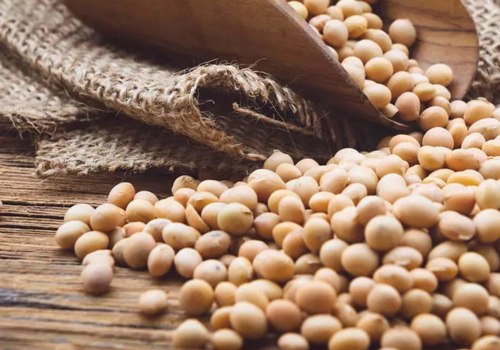
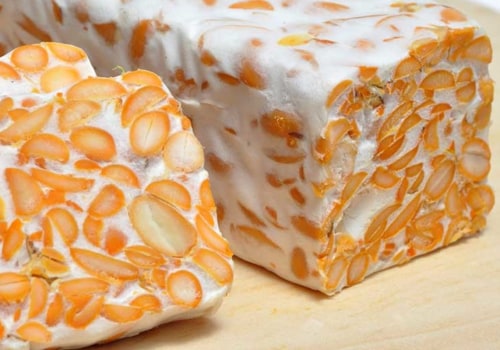
Tempeh is a traditional Indonesian food made from fermented soybeans, and it has gained popularity worldwide as a nutritious and versatile plant-based protein source. Unlike tofu, which is made from soy milk, tempeh is produced by fermenting whole soybeans, resulting in a firm texture and a nutty flavour. This fermentation process not only enhances its taste but also increases its nutritional profile, making it a favourite among health-conscious individuals.One of the standout features of tempeh is its impressive nutritional content.It is rich in protein, providing approximately 18-20 grams of protein per 100 grams, making it an excellent alternative to meat for those following vegetarian or vegan diets. Additionally, tempeh is a good source of dietary fibre, which aids in digestion and helps maintain a healthy gut.Tempeh is also packed with essential vitamins and minerals. It contains significant amounts of:
- Calcium : Important for bone health.
- Iron : Crucial for oxygen transport in the blood.
- Magnesium : Supports muscle and nerve function.
- B vitamins : Including B2 (riboflavin) and B3 (niacin), which are vital for energy metabolism.
The fermentation process also breaks down some of the anti-nutrients found in soybeans, such as phytic acid, making the nutrients more bioavailable.The benefits of incorporating tempeh into your diet extend beyond its nutritional value. Its firm texture allows it to be grilled, sautéed, or crumbled into various dishes, making it incredibly versatile. Whether you’re adding it to stir-fries, salads, or sandwiches, tempeh can absorb flavours well and serve as a satisfying meat substitute.In summary, tempeh is not just a source of protein; it is a nutritional powerhouse that offers numerous health benefits. Its unique fermentation process enhances its digestibility and nutrient absorption while providing essential vitamins and minerals.
For anyone looking to boost their diet with wholesome plant-based options, tempeh is undoubtedly worth considering.
Types of Large Pots for Cooking Tempeh
When it comes to cooking tempeh, selecting the right type of large pot can significantly enhance your culinary experience. Each type of pot offers unique features that cater to different cooking methods and recipes. Below, we explore some of the most popular types of large pots suitable for preparing tempeh.Stock Pot
A stock pot is a staple in many kitchens, particularly for those who enjoy making large batches of soups, stews, or stocks. Typically made from stainless steel, these pots are designed with tall sides and a wide base, allowing for even heat distribution and ample space for boiling ingredients.- Capacity: Stock pots usually range from 5 to 20 quarts, making them ideal for cooking large quantities of tempeh or other ingredients.
- Versatility: They can be used on the stovetop or in the oven, providing flexibility in cooking methods.
- Durability: Stainless steel construction ensures longevity and resistance to rust and corrosion.
Dutch Oven
The Dutch oven is another excellent choice for cooking tempeh.Known for its heavy-duty design, this pot is often made from cast iron or enameled cast iron, which retains heat exceptionally well.
- Heat Retention: The thick walls of a Dutch oven allow for slow cooking and even heat distribution, perfect for braising tempeh or simmering sauces.
- Versatile Cooking Options: It can be used on the stovetop or in the oven, making it suitable for a variety of recipes.
- Aesthetic Appeal: Many Dutch ovens come in vibrant colours and designs, adding a touch of style to your kitchen.
Casserole Dish
Casserole dishes are typically deep and round with straight sides, making them ideal for baking and slow-cooking. While they may not be as common as stock pots or Dutch ovens for cooking tempeh, they can still be quite effective.- Ideal for Baking: Casserole dishes are perfect for recipes that require longer cooking times, such as baked tempeh casseroles.
- Easy to Serve: Their design allows for easy serving directly from the dish, making them great for family meals.
- Material Variety: Available in glass, ceramic, or metal, you can choose a casserole dish that best suits your cooking style.
Exploring Pressure Cookers: A Quick Cooking Solution
Pressure cookers are a remarkable kitchen appliance that can significantly reduce cooking times while enhancing the flavours and textures of your meals. They work by creating a sealed environment where steam builds up, increasing the pressure inside the pot.This elevated pressure allows food to cook faster than traditional methods, making them an ideal choice for busy households or anyone looking to prepare meals quickly.
Types of Pressure Cookers
When it comes to pressure cookers, there are primarily two types: stovetop pressure cookers and electric pressure cookers .- Stovetop Pressure Cookers: These are traditional models that require a stovetop to operate. They generally reach higher pressures than electric models, which can lead to faster cooking times. Stovetop pressure cookers are often preferred by experienced cooks who appreciate the control they offer over heat levels.
- Electric Pressure Cookers: These modern appliances come with built-in heating elements and programmable settings. They are user-friendly and often include features like timers and pre-set cooking programmes.
Electric pressure cookers, such as the popular Instant Pot, have gained popularity for their versatility, allowing users to sauté, steam, and even slow-cook in addition to pressure cooking.
Benefits of Pressure Cooking
The advantages of using a pressure cooker extend beyond just saving time:- Enhanced Flavour: The sealed environment traps steam and flavours, resulting in more intense and rich tastes in your dishes.
- Nutrient Retention: Because food cooks quickly under high pressure, it retains more vitamins and minerals compared to conventional cooking methods.
- Energy Efficiency: Pressure cooking uses less energy than boiling or baking since it cooks food faster and requires less water.
- Versatility: Pressure cookers can be used for a variety of cooking tasks, from making soups and stews to preparing grains and legumes like tempeh.
How to Use a Pressure Cooker
Using a pressure cooker may seem daunting at first, but with a few simple steps, you can master this efficient cooking method:- Prepare Your Ingredients: Chop vegetables, measure grains or legumes, and season your ingredients as desired.
- Add Liquid: Always include at least one cup of liquid (water or broth) in the cooker to create steam.
- Seal the Lid: Ensure the lid is securely locked in place before heating. For stovetop models, adjust the heat until you reach the desired pressure; for electric models, select the appropriate setting.
- Monitor Cooking Time: Once at pressure, reduce heat as necessary and start timing your recipe. Most dishes will require significantly less time than traditional methods.
- Release Pressure Safely: After cooking, follow the manufacturer's instructions for releasing pressure—either naturally or using a quick-release method.
Key Features to Look for in Large Pots and Pressure Cookers
When it comes to selecting the right large pots and pressure cookers for your kitchen, understanding the key features is essential. These features not only enhance your cooking experience but also ensure that you achieve the best results when preparing meals, including dishes like tempeh.Here are some critical aspects to consider:
- Material: The material of your pot or pressure cooker significantly impacts its performance. Stainless steel is a popular choice due to its durability, resistance to rust, and ease of cleaning. It also provides even heat distribution, which is crucial for cooking tempeh evenly. Alternatively, cast iron offers excellent heat retention but requires more maintenance.
Aluminum is lightweight and heats up quickly but may not be as durable.
- Size: Consider the size of the pot or pressure cooker based on your cooking needs. If you often prepare meals for a large family or batch cook, opt for larger capacities (8 quarts or more). For smaller households or occasional use, a medium-sized pot (around 4 to 6 quarts) may suffice.
- Shape: The shape of the pot can influence cooking efficiency. Round pots are ideal for boiling and simmering, while square or rectangular pots can be better for baking or roasting.
Ensure that the shape aligns with your typical cooking methods.
- Lid Type: A tight-fitting lid is crucial for both large pots and pressure cookers. For pressure cookers, look for models with safety locks and steam release valves to prevent accidents. A glass lid can be beneficial for large pots as it allows you to monitor cooking without lifting the lid.
- Heat Source Compatibility: Ensure that your cookware is compatible with your heat source. Some pots are suitable for induction cooktops, while others may only work on gas or electric stoves.
Check the manufacturer's specifications before purchasing.
- Weight: The weight of the pot or pressure cooker can affect its usability. Heavier pots tend to be more stable on the stove but can be cumbersome to handle. Consider your strength and comfort level when choosing.
- Ease of Cleaning: Look for pots and pressure cookers with non-stick surfaces or those that are dishwasher safe. This feature can save you time and effort in maintaining your cookware.
Whether you're making hearty stews or experimenting with homemade tempeh, having the right cookware will enhance your culinary adventures.
Benefits of Using Large Pots and Pressure Cookers for Tempeh
When it comes to preparing tempeh, utilising large pots and pressure cookers can significantly enhance your cooking experience. These kitchen tools not only streamline the cooking process but also offer a range of benefits that make them indispensable for both novice and experienced cooks.Time Efficiency
One of the most notable advantages of using a pressure cooker is its ability to drastically reduce cooking times. Traditional methods of cooking tempeh can be time-consuming, often requiring hours of simmering to achieve the desired texture and flavour. In contrast, a pressure cooker can prepare tempeh in a fraction of the time, allowing you to enjoy your meals without the long wait.
This is particularly beneficial for busy households where time is of the essence.
Nutrient Retention
Another significant benefit of using large pots and pressure cookers is their ability to retain nutrients. When cooking tempeh, especially in a pressure cooker, the sealed environment helps to lock in moisture and essential nutrients that might otherwise be lost during traditional cooking methods. This means that not only do you save time, but you also ensure that your meals are as nutritious as possible.
Versatility
Large pots are incredibly versatile, allowing you to prepare various dishes alongside tempeh. You can easily make soups, stews, or even boil grains simultaneously, making meal prep more efficient.
This multi-tasking capability is particularly advantageous when preparing meals for larger groups or families.
Consistent Results
Using a pressure cooker ensures consistent results every time you cook tempeh. The controlled environment allows for even cooking, which is crucial for achieving the perfect texture. Unlike traditional pots where heat distribution can be uneven, pressure cookers maintain a steady temperature throughout the cooking process.
Energy Efficiency
Lastly, both large pots and pressure cookers are energy-efficient options for cooking. Pressure cookers require less energy due to their shorter cooking times, while large pots can accommodate larger batches, reducing the need for multiple cooking sessions.
This not only saves energy but also reduces your overall cooking costs.In summary, incorporating large pots and pressure cookers into your tempeh preparation routine offers numerous benefits including time efficiency, nutrient retention, versatility, consistent results, and energy savings. These advantages make them essential tools in any kitchen focused on healthy and efficient meal preparation.
Safety Precautions When Using Large Pots and Pressure Cookers
When it comes to cooking with large pots and pressure cookers, safety should always be a top priority. These kitchen tools can be incredibly efficient, but they also come with their own set of risks if not used properly. Here are some essential safety precautions to keep in mind while using these appliances.- Read the Manual: Before using any new cookware, including large pots and pressure cookers, take the time to read the manufacturer’s instructions.
Each model may have specific guidelines and safety features that are crucial for safe operation.
- Check for Damage: Always inspect your pots and pressure cookers for any signs of wear or damage before use. Cracks, dents, or warped lids can compromise the safety of your cooking.
- Secure the Lid: For pressure cookers, ensure that the lid is properly sealed before applying heat. A loose lid can lead to dangerous steam escapes and potential burns.
- Monitor Pressure Levels: When using a pressure cooker, keep an eye on the pressure gauge. If it exceeds the recommended level, reduce the heat immediately to prevent over-pressurisation.
- Use Caution with Steam: When releasing steam from a pressure cooker, always use a long utensil or wear protective gloves.
The steam can cause severe burns if it comes into contact with your skin.
- Avoid Overfilling: Never fill your pot or pressure cooker more than two-thirds full. This allows enough space for food to expand and prevents spills that could lead to burns or fires.
- Keep Handles Secure: Ensure that all handles are firmly attached and not loose. This will help prevent accidents when lifting or moving hot cookware.
- Stay Attentive: Never leave your pots or pressure cookers unattended while they are in use. This is especially important for pressure cookers, as they require constant monitoring to ensure safe operation.
Remember that a safe cooking environment not only protects you but also enhances your overall cooking experience.
Tips and Tricks for Perfectly Cooking Tempeh with Large Pots and Pressure Cookers
Cooking tempeh can be a delightful experience, especially when using large pots and pressure cookers. To ensure that you achieve the best results, here are some practical tips and tricks that will enhance your culinary skills and elevate the flavour of your tempeh dishes.Prepping Your Tempeh
Before you start cooking, it’s essential to prepare your tempeh properly. Here are some steps to follow:- Steam or Boil: Consider steaming or boiling your tempeh for about 10 minutes before marinating. This process helps to remove any bitterness and allows the tempeh to absorb flavours more effectively.
- Marinate: After steaming, marinate your tempeh in a mixture of soy sauce, garlic, ginger, and your choice of spices for at least 30 minutes.
This will infuse the tempeh with rich flavours.
Using Large Pots Effectively
When using large pots for cooking tempeh, keep these tips in mind:- Batch Cooking: If you’re preparing a large quantity of tempeh, consider cooking it in batches. This ensures even cooking and prevents overcrowding, which can lead to uneven texture.
- Monitor Liquid Levels: Always keep an eye on the liquid levels in your pot. Adding too much liquid can make the tempeh soggy, while too little can cause it to burn. Aim for a balance that allows for steaming without drowning the tempeh.
Maximising Pressure Cooker Benefits
Pressure cookers are fantastic for making tempeh quickly while retaining nutrients.Here are some best practices:
- Use the Right Settings: Familiarise yourself with your pressure cooker’s settings. For tempeh, a high-pressure setting is often ideal, but always refer to your specific model’s guidelines.
- Add Aromatics: Enhance the flavour by adding aromatics such as onions, garlic, or herbs directly into the pressure cooker with your tempeh. This will create a fragrant steam that infuses the tempeh as it cooks.
Finishing Touches
Once your tempeh is cooked, consider these finishing touches to elevate its taste:- Sautéing: After cooking in a pot or pressure cooker, sauté the tempeh in a hot pan with a bit of oil to achieve a crispy exterior.
- Toppings and Sauces: Experiment with different sauces or toppings such as sesame seeds, fresh herbs, or spicy sauces to add an extra layer of flavour.
Frequently Asked Questions About Large Pots, Pressure Cookers, and Tempeh
When it comes to cooking tempeh and utilising large pots and pressure cookers, many home cooks have questions. Below are some frequently asked questions that can help clarify common concerns and enhance your cooking experience.What is the best way to prepare tempeh before cooking?
Before cooking tempeh, it’s advisable to steam or boil it briefly.This process helps to remove any bitterness and enhances its flavour. You can also marinate the tempeh after steaming to infuse it with additional taste. A simple marinade of soy sauce, garlic, and ginger works wonders.
Can I cook tempeh directly in a pressure cooker?
Yes, you can cook tempeh directly in a pressure cooker. However, it’s best to cut the tempeh into smaller pieces to ensure even cooking.Add enough liquid—such as vegetable broth or water—to create steam, which is essential for the pressure cooking process.
How long does it take to cook tempeh in a pressure cooker?
Cooking tempeh in a pressure cooker typically takes about 10-15 minutes under high pressure. This method not only speeds up the cooking time but also helps retain nutrients that might be lost through longer cooking methods.What should I do if my tempeh is too dry after cooking?
If your tempeh turns out dry, consider adding more liquid during the cooking process or marinating it before cooking. Additionally, serving it with a sauce or broth can help add moisture back into the dish.Are there any safety tips for using a pressure cooker?
- Always ensure the lid is securely locked before starting the cooking process.
- Never overfill the pressure cooker; keep it no more than two-thirds full to allow for steam expansion.
- Release pressure carefully , following the manufacturer's instructions to avoid burns from steam.
Can I use frozen tempeh in my recipes?
Yes, you can use frozen tempeh. However, it’s best to thaw it first for even cooking.You can do this by leaving it in the refrigerator overnight or using a microwave on a defrost setting.By addressing these common queries, you can enhance your confidence in using large pots and pressure cookers for preparing delicious tempeh dishes. Happy cooking!
Conclusion: Mastering Your Cooking with Large Pots and Pressure Cookers
In conclusion, mastering the use of large pots and pressure cookers can significantly enhance your culinary skills, especially when it comes to preparing tempeh. These versatile kitchen tools not only streamline the cooking process but also allow for the creation of delicious and nutritious meals in a fraction of the time compared to traditional methods.Throughout this article, we have explored various aspects of large pots and pressure cookers, highlighting their importance in the kitchen. Here are some key takeaways:- Types of Cookware: Understanding the different types of large pots, such as stockpots and Dutch ovens, as well as the unique features of pressure cookers, is essential for selecting the right tool for your cooking needs.
- Features to Consider: When choosing a pot or cooker, consider factors like size, material, and safety features.
Stainless steel is often preferred for its durability and ease of cleaning.
- Benefits: Large pots and pressure cookers offer numerous advantages, including reduced cooking times, better temperature control, and improved moisture retention. These benefits are particularly valuable when making tempeh, as they help preserve nutrients and enhance flavour.
- Safety Precautions: Always prioritise safety by following manufacturer instructions, ensuring lids are securely fastened, and monitoring cooking times to prevent accidents.
- Cooking Tips: Implementing techniques such as pre-soaking ingredients and seasoning your cookware can lead to better results when preparing tempeh.