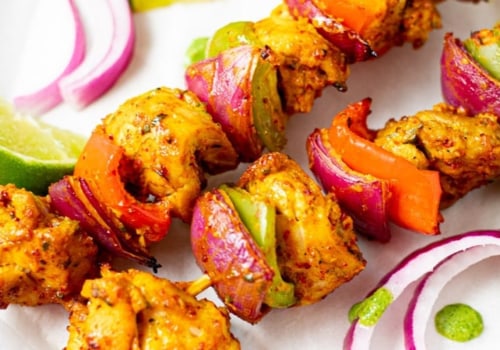
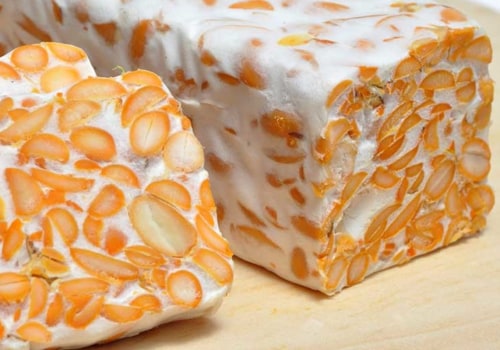
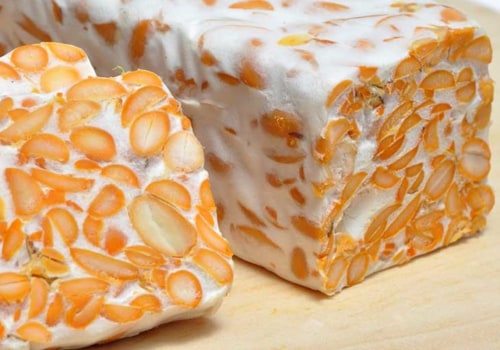
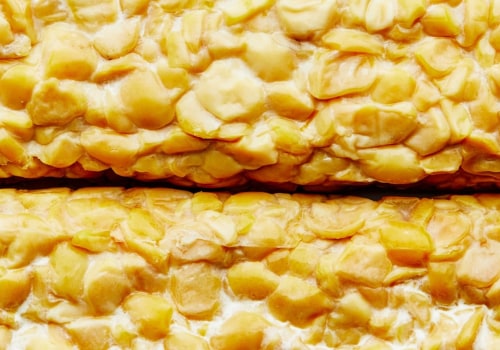
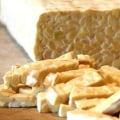
Tempeh is a traditional Indonesian food made from fermented soybeans, and it has gained popularity worldwide as a versatile and nutritious protein source. Unlike tofu, which is made from soy milk, tempeh is a whole food that retains the nutritional benefits of the entire soybean. This fermentation process not only enhances its digestibility but also enriches its flavour, giving it a unique nutty taste and firm texture that can elevate a variety of dishes.In terms of nutrition, tempeh is a true powerhouse. It is packed with high-quality protein, containing all nine essential amino acids that our bodies cannot produce on their own.
A typical serving of tempeh provides around 15-20 grams of protein, making it an excellent choice for vegetarians and vegans looking to meet their protein needs. Additionally, tempeh is rich in dietary fibre, which supports digestive health and helps maintain a feeling of fullness. It also contains important vitamins and minerals such as calcium, iron, magnesium, and B vitamins, contributing to overall well-being.The benefits of incorporating tempeh into your diet extend beyond its impressive nutritional profile. Regular consumption of tempeh may support heart health due to its low saturated fat content and high levels of unsaturated fats.
Furthermore, the fermentation process introduces beneficial probiotics that can enhance gut health and boost the immune system. With its ability to absorb flavours well, tempeh can be marinated or seasoned to suit any cuisine, making it an adaptable ingredient for various recipes.As we delve deeper into the cooking techniques for tempeh, understanding its nutritional benefits will help you appreciate why this ingredient deserves a prominent place in your meals. Whether you are stir-frying, grilling, or baking, mastering the art of cooking tempeh will not only enhance your culinary skills but also contribute to a healthier lifestyle.
The Importance of Stirring in Cooking Tempeh
When it comes to cooking tempeh, the technique of stirring plays a crucial role in achieving the perfect texture and flavour. Understanding why stirring is essential can significantly enhance your culinary experience and the quality of your dishes.Why Stir Tempeh?
Stirring tempeh during cooking is vital for several reasons:
- Prevention of Sticking: Tempeh has a tendency to adhere to the cooking surface, especially if it is not adequately oiled or if the heat is too high.
Regular stirring helps to keep the tempeh moving, reducing the risk of it sticking to the pan and burning.
- Even Cooking: By stirring, you ensure that all sides of the tempeh are exposed to heat evenly. This promotes uniform cooking, allowing each piece to develop a golden-brown crust while remaining tender inside.
- Enhanced Flavour Distribution: Stirring allows for better integration of flavours, especially when cooking tempeh with sauces or spices. It ensures that every bite is infused with the rich tastes you’ve added, creating a more satisfying meal.
Benefits of Stirring
The act of stirring not only prevents sticking and burning but also contributes to the overall quality of your dish:
- Texture Improvement: Regular stirring helps maintain a desirable texture in tempeh. It prevents it from becoming overly dry or tough, ensuring that it remains moist and palatable.
- Control Over Cooking Process: Stirring gives you greater control over how your tempeh cooks.
You can adjust the heat as needed and monitor its progress closely, making it easier to achieve your desired level of doneness.
- Encouragement of Browning: The Maillard reaction, which creates that delicious brown crust, is enhanced by stirring. This reaction occurs when proteins and sugars in the tempeh are exposed to heat, and regular movement helps facilitate this process.
Cooking Techniques for Tempeh
To maximise the benefits of stirring when cooking tempeh, consider these techniques:
- Use a Suitable Utensil: Opt for a spatula or wooden spoon that allows you to easily reach all areas of the pan without damaging the tempeh.
- Adjust Your Heat: Start with medium heat to prevent burning while allowing for effective browning. If you notice sticking, reduce the heat slightly.
- Stir Frequently: Depending on your recipe, aim to stir every few minutes or more often if necessary. This will help maintain an even cooking environment.
It not only prevents sticking and burning but also enhances flavour and texture, ensuring that your meals are both delicious and satisfying.
Choosing the Right Cooking Method for Tempeh
When it comes to cooking tempeh, the method you choose can significantly influence both the flavour and texture of the final dish. Each cooking technique brings out different qualities in tempeh, and understanding these can help you select the best approach for your meal.Stir-Frying Tempeh
Stir-frying is one of the most popular methods for cooking tempeh, especially in Asian-inspired dishes. This technique involves cooking tempeh quickly over high heat in a small amount of oil, allowing it to develop a crispy exterior while remaining tender inside. When stir-frying, it’s crucial to stir regularly to prevent sticking and ensure even cooking.Here are some tips for successful stir-frying:
- Cut Uniformly: Slice tempeh into even pieces to ensure they cook at the same rate.
- Preheat Your Pan: Make sure your pan is hot before adding oil and tempeh; this helps create a non-stick surface.
- Add Flavour: Incorporate sauces or marinades during the last few minutes of cooking to enhance flavour without burning.
Sautéing Tempeh
Sautéing is another effective method for cooking tempeh, similar to stir-frying but typically done at a slightly lower heat. This method allows for more control over the cooking process and is ideal for recipes that require longer cooking times. When sautéing, stirring is still important, but you can do so less frequently than in stir-frying. Here are some key points:- Use a Good Quality Oil: Choose oils with high smoke points, such as avocado or grapeseed oil, to prevent burning.
- Add Vegetables: Incorporating vegetables can add moisture and flavour, making it easier to prevent sticking.
- Monitor Heat Levels: Adjust the heat as necessary to avoid burning while ensuring that the tempeh cooks through.
Baking Tempeh
Baking tempeh is a fantastic option if you prefer a hands-off approach.This method allows tempeh to cook evenly without the need for constant stirring. However, it’s still beneficial to turn the tempeh halfway through baking to achieve an even golden-brown colour. Here are some tips for baking:
- Marinate Before Baking: Marinating tempeh enhances its flavour and helps keep it moist during baking.
- Use Parchment Paper: Lining your baking tray with parchment paper can help prevent sticking.
- Check for Doneness: Ensure that the tempeh is heated through and has a slightly crispy texture before serving.
Tips for Effective Stirring Techniques
When it comes to cooking tempeh, mastering the art of stirring is crucial for achieving a perfectly cooked dish.Here are some practical tips and techniques to enhance your stirring skills and prevent burning while cooking.
- Choose the Right Utensil: Opt for a wooden spoon or a silicone spatula when stirring tempeh. These tools are gentle on your cookware and allow you to scrape the bottom of the pan effectively without causing damage. Avoid using metal utensils, as they can scratch non-stick surfaces and may not provide the same level of control.
- Stirring Frequency: The frequency of stirring depends on the cooking method. For sautéing tempeh, aim to stir every 2-3 minutes.
This interval allows for even cooking while preventing the tempeh from sticking or burning. If you notice any signs of sticking, increase the frequency to every minute until the tempeh is cooked through.
- Monitor Cooking Progress: Keep an eye on the colour and texture of your tempeh as it cooks. It should develop a golden-brown crust without becoming overly dark or charred. If you see any pieces starting to stick, it’s a clear sign that you need to stir more often.
- Use Adequate Heat: Ensure that your cooking surface is at the right temperature before adding tempeh.
A medium heat setting is usually ideal, as it allows for thorough cooking without burning. If you find that your tempeh is browning too quickly, reduce the heat slightly and stir more frequently.
- Add Liquid When Necessary: If you notice that your tempeh is beginning to stick, consider adding a splash of vegetable broth or water to the pan. This not only helps prevent sticking but also adds moisture, enhancing the overall flavour of your dish.
Common Mistakes When Cooking Tempeh and How to Avoid Them
Cooking tempeh can be a rewarding experience, but it’s not without its challenges.Many home cooks encounter common mistakes that can lead to disappointing results. By identifying these pitfalls and learning how to avoid them, you can elevate your tempeh dishes to new heights.
1.Not Preparing Tempeh Properly
One of the most frequent errors is failing to prepare tempeh adequately before cooking. Tempeh often comes in a block that may have a slightly bitter taste if not treated properly. To enhance its flavour, consider steaming or marinating it before cooking.
Steaming for about 10 minutes can help soften the texture and reduce bitterness, while marinating allows the tempeh to absorb flavours.
2.Skipping the Marinade
Tempeh is known for its ability to absorb flavours, yet many cooks skip the marinade step altogether. This can result in bland dishes. A simple marinade made from soy sauce, garlic, and ginger can transform your tempeh into a flavour-packed ingredient. Allow it to marinate for at least 30 minutes, or even overnight for maximum flavour infusion.
3.Cooking at Too High a Temperature
Another common mistake is cooking tempeh at excessively high temperatures.
While it may seem tempting to crank up the heat for quicker cooking, this can lead to uneven cooking and burnt edges. Instead, opt for medium heat and allow the tempeh to cook slowly, ensuring it becomes golden brown and crispy without burning.
4.Neglecting to Stir Regularly
As previously mentioned, stirring regularly is crucial when cooking tempeh. Failing to do so can result in sticking or burning. Make it a habit to stir every few minutes, ensuring that all sides are evenly cooked and that any potential sticking is addressed promptly.
5.Overcrowding the Pan
Overcrowding your pan is another mistake that can lead to uneven cooking.
When too much tempeh is added at once, it steams rather than browns, resulting in a less desirable texture. Cook in batches if necessary, allowing each piece enough space to develop a nice crust.
6.Ignoring Texture
The texture of cooked tempeh is essential for an enjoyable eating experience. If you find your tempeh too chewy or tough, consider slicing it thinner or opting for crumbled tempeh in recipes like tacos or salads where a softer texture is preferred.By being aware of these common mistakes and implementing these solutions, you can significantly improve your tempeh cooking skills and create delicious meals that showcase this versatile ingredient.
Flavoring Tempeh: Enhancing Taste While Stirring
When it comes to cooking tempeh, enhancing its flavour is just as crucial as the cooking technique itself. One of the most effective ways to infuse your tempeh with rich, delicious flavours is through the use of marinades and seasonings.By incorporating these elements while stirring, you can ensure that the flavours penetrate the tempeh evenly, resulting in a more satisfying dish.
Marinades for Tempeh
- Basic Marinade: A simple marinade can be made using soy sauce, olive oil, garlic, and ginger. Allow the tempeh to soak in this mixture for at least 30 minutes before cooking. This not only adds flavour but also helps to tenderise the tempeh.
- Spicy Marinade: For those who enjoy a kick, consider adding sriracha or chili paste to your marinade. Combine it with lime juice and honey for a sweet and spicy blend that will elevate your tempeh dishes.
- Herb-Infused Marinade: Fresh herbs like basil, cilantro, or rosemary can be blended with olive oil and vinegar to create a fragrant marinade.
This is particularly effective for grilled or roasted tempeh.
Seasoning Tips for Tempeh
- Salt and Pepper: Never underestimate the power of basic seasoning. A sprinkle of salt and freshly cracked black pepper can enhance the natural flavour of tempeh significantly.
- Smoked Paprika: Adding smoked paprika during cooking can impart a lovely smoky flavour that complements the nutty taste of tempeh beautifully.
- Cumin and Coriander: These spices add warmth and depth.
Incorporate them into your cooking process while stirring to release their essential oils and maximise their flavour impact.
Frequently Asked Questions About Cooking Tempeh
Cooking tempeh can be a rewarding experience, but it often comes with its own set of questions, especially for those new to this versatile ingredient. Below are some frequently asked questions that can help you navigate the cooking process more effectively.What is the best way to prepare tempeh before cooking?
Before cooking tempeh, it’s advisable to steam or simmer it briefly.This process helps to soften the texture and enhances its ability to absorb flavours. You can also marinate it for at least 30 minutes to infuse it with additional taste.
How do I prevent tempeh from sticking to the pan?
To prevent sticking, ensure that your pan is adequately heated and use a small amount of oil. Stirring regularly is crucial; this not only prevents sticking but also promotes even cooking. If you notice any bits starting to adhere to the bottom, gently scrape them off with your spatula.Can I cook tempeh in a non-stick pan?
Yes, a non-stick pan can be beneficial when cooking tempeh as it reduces the chances of sticking.However, even in a non-stick pan, regular stirring is essential to ensure that all sides are cooked evenly and to prevent any potential burning.
How long should I cook tempeh?
The cooking time for tempeh varies depending on the method used. Generally, sautéing or stir-frying takes about 10-15 minutes. If you’re baking or grilling, aim for 20-30 minutes, flipping halfway through for even cooking.What are some common mistakes when cooking tempeh?
- Not marinating: Skipping the marination step can lead to bland flavours.
- Overcrowding the pan: This can cause uneven cooking and increase the likelihood of sticking.
- Ignoring stirring: Failing to stir regularly can result in burnt bits and uneven texture.
What are some tips for beginners cooking tempeh?
- Start simple: Begin with basic recipes that require minimal ingredients.
- Experiment with flavours: Don’t hesitate to try different marinades and spices.
- Practice patience: Allow time for the tempeh to absorb flavours and cook thoroughly.
Conclusion: Perfecting Your Tempeh Cooking Skills
In conclusion, mastering the art of cooking tempeh is a rewarding journey that not only enhances your culinary skills but also enriches your diet with a nutritious and versatile ingredient.Throughout this article, we have explored the significance of stirring regularly to prevent sticking and burning, which is crucial for achieving the perfect texture and flavour in your tempeh dishes.By incorporating regular stirring into your cooking routine, you ensure that each piece of tempeh is evenly cooked, allowing it to absorb flavours and maintain its moisture. This technique not only prevents the unpleasant experience of burnt bits but also elevates the overall quality of your meal. Remember, the key to successful stirring lies in using the right tools and techniques. A well-sized spoon or spatula can make all the difference in reaching every corner of your pan.Moreover, being attentive to the cooking process is essential.
If you notice that your tempeh is beginning to stick or brown too quickly, don’t hesitate to increase the frequency of your stirring. This proactive approach will help you achieve a beautifully cooked dish that showcases tempeh’s unique nutty flavour and firm texture.As you continue to experiment with different recipes and cooking methods, keep in mind that practice makes perfect. Each time you cook tempeh, you will gain more confidence in your abilities and develop a deeper understanding of how to manipulate heat and timing effectively. Embrace the learning process, and don’t be afraid to make adjustments based on your observations.In summary, perfecting your tempeh cooking skills requires patience, practice, and a commitment to regular stirring.
By following the tips outlined in this article, you can transform your culinary creations into delightful meals that are not only satisfying but also packed with nutrients. So gather your ingredients, fire up the stove, and enjoy the delicious journey of cooking tempeh!.