In the realm of natural sweeteners, agave nectar and honey have emerged as two of the most popular choices among health-conscious consumers and culinary enthusiasts alike. Both of these sweeteners offer unique flavours and potential health benefits, making them appealing alternatives to refined sugars. As more people seek to reduce their sugar intake while still enjoying the sweetness in their dishes, understanding the differences between agave nectar and honey becomes essential.Agave nectar, derived from the sap of the agave plant, is often praised for its low glycemic index, which means it has a lesser impact on blood sugar levels compared to traditional sweeteners. Its mild, caramel-like flavour makes it a versatile ingredient in various recipes, from marinades to desserts.
On the other hand, honey, a product of bees that collect nectar from flowers, boasts a rich history and a complex flavour profile that varies depending on the floral source. Its natural antioxidants and antimicrobial properties add to its appeal as a healthful sweetener.As we delve deeper into this comparison, we will explore not only the distinct characteristics of agave nectar and honey but also their respective uses in cooking and baking. Understanding how each sweetener interacts with other ingredients can enhance your culinary creations, whether you are marinating meats or sweetening beverages. By examining their nutritional values, flavour profiles, and potential health benefits, we aim to provide you with a comprehensive guide that will help you make informed choices in your kitchen.
What is Agave Nectar?
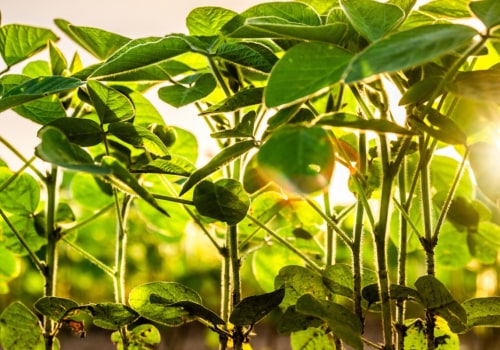
Agave nectar, often referred to as agave syrup, is a natural sweetener derived from the sap of the agave plant, primarily the blue agave species.This succulent plant is native to Mexico and has been cultivated for centuries, not only for its sweet sap but also for its fibrous leaves, which are used in traditional crafts and the production of tequila.The production of agave nectar involves a meticulous process. First, the heart of the agave plant, known as the piña, is harvested. The piña is then cooked to break down its complex carbohydrates into simpler sugars. After cooking, the sap is extracted and filtered to remove impurities.
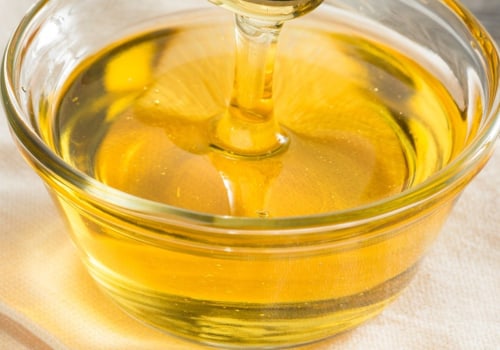
Finally, it is heated to concentrate the sweetness and achieve the desired consistency. The result is a thick, amber liquid that boasts a mild flavour profile with hints of caramel.
Nutritional Profile
In terms of nutrition, agave nectar is primarily composed of fructose, which accounts for about 70-90% of its sugar content. This high fructose content gives it a lower glycemic index compared to traditional sweeteners like table sugar or honey, making it a popular choice for those looking to manage their blood sugar levels. A typical serving of agave nectar (one tablespoon) contains approximately:- Calories: 60
- Carbohydrates: 17 grams
- Sugars: 16 grams
Health Benefits
The potential health benefits of agave nectar are often highlighted in discussions about natural sweeteners.Its low glycemic index means it may be a better option for individuals with diabetes or those seeking to avoid rapid spikes in blood sugar levels. Additionally, some studies suggest that the fructans found in agave may have prebiotic properties, promoting gut health by supporting beneficial bacteria.However, it is essential to consume agave nectar in moderation due to its high fructose content, which can lead to health issues if consumed excessively. Overall, while agave nectar can be a suitable alternative to refined sugars and artificial sweeteners, it should be part of a balanced diet.In summary, agave nectar is a versatile sweetener with unique characteristics and potential health benefits. Its production process highlights its natural origins, while its nutritional profile makes it an appealing choice for those looking for lower glycemic options in their diets.
What is Honey?
Honey is a natural sweetener produced by bees from the nectar of flowers.The process begins when bees collect nectar, which is a sugary liquid secreted by flowers. Once collected, the nectar is transported back to the hive, where it undergoes a transformation. Bees add enzymes to the nectar, breaking down its complex sugars into simpler ones, and then they deposit it into honeycomb cells. The bees then fan their wings to evaporate excess moisture, resulting in the thick, viscous substance we know as honey.There are numerous types of honey, each with its unique flavour profile and colour, depending on the source of the nectar.
Common varieties include:
- Wildflower Honey: Made from the nectar of various wildflowers, this type has a complex flavour and aroma.
- Clove Honey: Known for its strong, spicy flavour, clove honey is often used in baking and cooking.
- Manuka Honey: Sourced from the Manuka tree in New Zealand, this honey is renowned for its medicinal properties and unique taste.
- Clover Honey: Light in colour and mild in flavour, clover honey is one of the most popular types.
- Antioxidant Properties: Honey is rich in antioxidants that help combat oxidative stress in the body.
- Antimicrobial Effects: Its natural antibacterial properties can aid in wound healing and prevent infections.
- Soothing Sore Throats: Honey can provide relief for sore throats due to its soothing texture and antimicrobial properties.
- Digestive Health: Some studies suggest that honey may promote gut health by acting as a prebiotic.
Its versatility makes it suitable for various culinary uses—from sweetening beverages to enhancing marinades—making it a staple in many kitchens around the world.
Nutritional Comparison: Agave Nectar vs Honey
When considering sweeteners for your culinary creations, understanding the nutritional comparison between agave nectar and honey is essential. Both options offer unique benefits and drawbacks, particularly in terms of calories, carbohydrates, sugars, vitamins, and minerals.Calories
are a significant factor when choosing between these two sweeteners. Agave nectar contains approximately 60 calories per tablespoon, while honey has about 64 calories for the same serving size. Although the difference is minimal, it can add up depending on how much you use in your recipes.In terms of carbohydrates , agave nectar has around 17 grams per tablespoon, compared to honey's 21 grams.
This slight difference may be relevant for those monitoring their carbohydrate intake, especially individuals following low-carb diets.When it comes to sugar content , agave nectar is primarily composed of fructose, which accounts for about 70-90% of its sugar content. This high fructose level contributes to its lower glycemic index (GI), making it a popular choice for those looking to manage blood sugar levels. In contrast, honey contains a mix of glucose and fructose, with a higher proportion of glucose than agave nectar. This difference in sugar composition affects how each sweetener impacts blood sugar levels.Both agave nectar and honey provide some vitamins and minerals , although the amounts are relatively small.
Agave nectar contains trace amounts of calcium, potassium, and magnesium. Honey also offers a variety of nutrients, including B vitamins and antioxidants such as flavonoids and phenolic acids. These antioxidants can help combat oxidative stress in the body.In summary, while both agave nectar and honey can enhance the flavour of your dishes, their nutritional profiles differ significantly. Agave nectar is lower in calories and carbohydrates but higher in fructose, making it a suitable option for those seeking a lower glycemic index sweetener.
Honey, on the other hand, provides a richer array of vitamins and antioxidants but comes with slightly higher calorie and carbohydrate counts. Ultimately, your choice may depend on your dietary needs and personal taste preferences.
Flavor Profiles: How They Differ
When it comes to sweeteners, the flavor profiles of agave nectar and honey are distinct and can significantly influence the outcome of your culinary creations. Understanding these differences is essential for selecting the right sweetener for your dishes.Flavor of Agave Nectar
Agave nectar is often described as having a mild, light sweetness with subtle notes that can be likened to caramel or vanilla. This gentle flavour makes it an excellent choice for recipes where you want to enhance sweetness without overpowering other ingredients.
Its smooth texture allows it to blend seamlessly into marinades, dressings, and baked goods.One of the unique characteristics of agave nectar is its ability to provide sweetness without a strong aftertaste. This quality makes it particularly appealing for those who prefer a more neutral sweetener that complements rather than competes with the primary flavours of a dish. Additionally, agave nectar's lower glycemic index means it can be a suitable option for those looking to manage their blood sugar levels while still enjoying a touch of sweetness.
Flavor of Honey
In contrast, honey boasts a robust and complex flavour profile that varies significantly depending on the type of flowers from which the bees collect nectar. Generally, honey has a rich, floral taste that can range from light and fruity to dark and earthy.
This diversity allows honey to add depth and character to marinades and sauces, making it an ideal choice for recipes where a pronounced sweetness is desired.The distinct flavour of honey can also impart a slight tartness or bitterness, depending on its floral source. For instance, clover honey tends to be milder and sweeter, while buckwheat honey offers a more intense, molasses-like taste. This variability means that when using honey in your cooking, you may need to adjust the quantity based on the specific type you choose.
Taste Comparison
When comparing the two sweeteners, it's clear that agave nectar's subtlety contrasts sharply with honey's boldness. If you're preparing a dish where you want the sweetness to enhance rather than dominate, agave nectar is likely your best bet.
However, if you're looking to create a marinade or glaze that stands out with rich flavours, honey would be more appropriate.Ultimately, the choice between agave nectar and honey will depend on your personal taste preferences and the specific requirements of your recipe. Experimenting with both can lead to delightful discoveries in your culinary adventures.
Health Benefits of Agave Nectar and Honey
Both agave nectar and honey are not only popular sweeteners but also offer a range of potential health benefits that make them appealing choices for those looking to enhance their diets. Understanding these benefits can help you make informed decisions about which sweetener to use in your culinary creations.Health Benefits of Agave Nectar
Agave nectar, derived from the sap of the agave plant, is often praised for its low glycemic index (GI). This means it has a minimal impact on blood sugar levels, making it a suitable option for individuals managing diabetes or those seeking to maintain stable energy levels.The lower GI of agave nectar is attributed to its high fructose content, which is metabolised differently than glucose.In addition to its glycemic benefits, agave nectar contains fructans , a type of soluble fibre that may support digestive health. Fructans can act as prebiotics, promoting the growth of beneficial gut bacteria. This can lead to improved digestion and overall gut health.Moreover, agave nectar is rich in antioxidants, which help combat oxidative stress in the body. Antioxidants are crucial for neutralising free radicals, potentially reducing the risk of chronic diseases such as heart disease and cancer.
Health Benefits of Honey
Honey, a natural product made by bees from flower nectar, is renowned for its numerous health benefits.One of the most significant advantages of honey is its rich antioxidant content. Antioxidants play a vital role in protecting the body from oxidative damage and inflammation. Studies have shown that honey contains various antioxidants, including flavonoids and phenolic acids, which can contribute to overall health.Additionally, honey has been linked to anti-inflammatory properties. It may help reduce inflammation in the body, which is beneficial for conditions such as arthritis and other inflammatory diseases.
The soothing properties of honey also make it a popular remedy for sore throats and coughs.Furthermore, honey has been found to possess antimicrobial properties. It can inhibit the growth of certain bacteria and fungi, making it an effective natural remedy for minor wounds and skin irritations. This quality is particularly attributed to its low moisture content and acidic pH, which create an inhospitable environment for pathogens.
Comparative Health Benefits
When comparing the health benefits of agave nectar and honey, it’s essential to consider individual dietary needs and preferences. While agave nectar may be more suitable for those needing to manage blood sugar levels due to its low GI, honey offers a broader spectrum of antioxidants and potential antimicrobial effects.In conclusion, both agave nectar and honey provide unique health benefits that can enhance your diet.Incorporating these sweeteners into your meals not only adds flavour but also contributes positively to your overall well-being.
Culinary Uses: When to Use Agave Nectar vs Honey
When it comes to incorporating sweeteners into your culinary repertoire, understanding the unique properties of agave nectar and honey can significantly enhance your dishes. Both sweeteners offer distinct flavours and functionalities that can elevate a variety of recipes, from marinades to desserts.Culinary Uses of Agave Nectar
- Marinades: Agave nectar's mild sweetness makes it an excellent choice for marinades, particularly for lean proteins like chicken or fish. Its low glycemic index means it won't overpower the dish, allowing the natural flavours of the ingredients to shine through. Combine agave nectar with soy sauce, garlic, and ginger for a delightful marinade that complements grilled chicken or tofu.
- Dressings: Agave nectar can be used in salad dressings to add a touch of sweetness without overwhelming the palate.
Mix it with olive oil, vinegar, and your choice of herbs for a balanced dressing that enhances fresh greens.
- Baking: In baking, agave nectar can replace sugar in recipes. However, since it is sweeter than sugar, you may want to reduce the quantity by about one-third. It works particularly well in moist cakes and muffins, providing a subtle sweetness and helping to retain moisture.
- Beverages: Agave nectar dissolves easily in cold liquids, making it ideal for sweetening iced teas or cocktails. Its neutral flavour allows it to blend seamlessly into drinks without altering their taste.
Culinary Uses of Honey
- Marinades: Honey's robust flavour profile makes it perfect for marinades that require a more pronounced sweetness.
It pairs beautifully with meats like pork and beef, where its natural sugars caramelise during cooking, creating a rich glaze. Combine honey with mustard and apple cider vinegar for a tangy marinade that works wonders on grilled meats.
- Desserts: Honey is a classic sweetener in desserts, adding depth and complexity to cakes, cookies, and pastries. Its unique floral notes can enhance the overall flavour profile of baked goods. Consider using honey in recipes for honey cakes or drizzling it over yogurt with fresh fruit for a simple yet elegant dessert.
- Beverages: Honey is often used in hot beverages like tea or warm lemon water due to its soothing properties.
It can also be incorporated into cocktails for added sweetness and flavour complexity.
- Glazes: Honey makes an excellent glaze for roasted vegetables or meats. Its viscosity allows it to coat ingredients evenly while providing a beautiful sheen when cooked.
Substituting Agave Nectar for Honey (and Vice Versa)
When it comes to cooking and baking, the ability to substitute ingredients can be a game changer, especially with sweeteners like agave nectar and honey.Both of these natural sweeteners have unique properties that can enhance your dishes, but there are times when you may need to swap one for the other. Understanding how to effectively make these substitutions can help you maintain the desired flavour and texture in your recipes.
Substituting Agave Nectar for Honey
If you find yourself in a situation where you need to use agave nectar instead of honey, there are a few key points to consider:
- Sweetness Level: Agave nectar is generally sweeter than honey. As a rule of thumb, you can use about two-thirds of the amount of agave nectar compared to honey. For example, if a recipe calls for 1 cup of honey, you would use approximately 2/3 cup of agave nectar.
- Consistency: Agave nectar has a thinner consistency than honey.
This means that when substituting, you may need to adjust the liquid content in your recipe slightly. If your recipe requires a thicker texture, consider adding a small amount of cornstarch or reducing other liquids.
- Flavour Profile: The mild, floral notes of honey can be quite different from the light caramel flavour of agave nectar. If the specific taste of honey is crucial to your dish, consider adding a splash of vanilla extract or a hint of lemon juice to mimic some of the floral notes.
Substituting Honey for Agave Nectar
Conversely, if you need to replace agave nectar with honey, here are some guidelines:
- Sweetness Adjustment: Since honey is less sweet than agave nectar, you will typically need to use more honey. A good starting point is to use 1.25 times the amount of honey compared to agave nectar.
For instance, if your recipe calls for 1 cup of agave nectar, use about 1 1/4 cups of honey.
- Liquid Content: Honey is thicker than agave nectar, which may affect the overall moisture level in your dish. If you're substituting honey for agave nectar in baking recipes, consider reducing other liquids slightly to maintain the right consistency.
- Taste Considerations: The distinct flavour of honey can add depth to your dishes. If you're using it in marinades or dressings where its taste will shine through, be mindful that it may alter the overall flavour profile compared to using agave nectar.
Potential Drawbacks of Agave Nectar and Honey
While both agave nectar and honey are popular natural sweeteners, it is essential to consider their potential drawbacks and health risks before incorporating them into your diet.Understanding these factors can help you make informed choices about which sweetener to use in your culinary creations.
Drawbacks of Agave Nectar
Agave nectar is often marketed as a healthier alternative to sugar, but it does come with its own set of concerns:- High Fructose Content: Agave nectar contains a significant amount of fructose, which can be problematic when consumed in excess. High fructose intake has been linked to various health issues, including obesity, insulin resistance, and fatty liver disease.
- Potential for Overconsumption: Due to its high sweetness level, it can be easy to overuse agave nectar in recipes. This can lead to excessive calorie intake and may contribute to weight gain over time.
- Processing Concerns: Many commercially available agave nectars undergo extensive processing, which can strip away some of the beneficial nutrients found in the raw plant. This processing may also introduce additives that could diminish its health benefits.
Drawbacks of Honey
Honey, while a natural sweetener with numerous benefits, also has its drawbacks:- Caloric Density: Honey is relatively high in calories compared to other sweeteners.
A tablespoon of honey contains approximately 64 calories, which can add up quickly if used liberally.
- Botulism Risk for Infants: One significant health risk associated with honey is the potential presence of botulism spores. This can be dangerous for infants under one year old, as their digestive systems are not mature enough to handle these spores.
- Allergic Reactions: Some individuals may experience allergic reactions to honey, particularly if they are sensitive to pollen or other components found in bee products. Symptoms can range from mild irritation to severe anaphylaxis in extreme cases.
By understanding the potential risks associated with each sweetener, you can make more informed decisions that align with your health goals.
<strong>Conclusion</strong>
In summary, the exploration of agave nectar and honey reveals a fascinating contrast between two popular natural sweeteners, each with its unique characteristics and applications. Both sweeteners have carved out their niches in culinary practices, particularly in the realm of marinades, where their distinct flavours and properties can significantly influence the final dish.When considering which sweetener to use, it is essential to evaluate the specific needs of your recipe. Agave nectar , with its lower glycemic index and higher sweetness level, is an excellent choice for those looking to create marinades that enhance the natural flavours of lean proteins without overwhelming them. Its mild, caramel-like taste complements a variety of ingredients, making it versatile for different cuisines.On the other hand, honey offers a robust flavour profile that can add depth and complexity to marinades.Its floral notes can elevate dishes such as pork or beef, where a more pronounced sweetness is desired. Additionally, honey's natural properties contribute beneficial nutrients and antioxidants that can enhance the overall health benefits of your meals.However, both sweeteners come with their own set of considerations. While agave nectar is often marketed as a healthier alternative due to its lower calorie content and glycemic index, it is crucial to be mindful of its high fructose levels. Similarly, honey, while rich in nutrients, should be used judiciously due to its higher sugar content and potential risks for certain populations.Ultimately, the choice between agave nectar and honey should be guided by personal preference, dietary needs, and the specific flavour profile you wish to achieve in your marinades.
Experimenting with both can lead to delightful discoveries in your cooking journey.As you incorporate these sweeteners into your culinary repertoire, remember that quality matters. Opt for raw and organic varieties whenever possible to maximise the nutritional benefits and flavour integrity of your dishes. With thoughtful selection and application, both agave nectar and honey can enhance your cooking while providing a touch of natural sweetness.