Tempeh is a remarkable food that has gained popularity in recent years, particularly among those seeking plant-based protein sources. Originating from Indonesia, tempeh is made from fermented soybeans, which are bound together into a firm cake. This unique fermentation process not only enhances its nutritional profile but also contributes to its distinctive nutty flavour and chewy texture. As a versatile ingredient, tempeh can be incorporated into a wide range of dishes, making it an excellent choice for both seasoned chefs and home cooks alike.One of the standout benefits of tempeh is its impressive nutritional content.
It is rich in protein, providing about 19 grams per 100 grams, making it an ideal substitute for meat in various recipes. Additionally, tempeh is packed with essential vitamins and minerals, including calcium, iron, and magnesium. The fermentation process also makes tempeh easier to digest compared to other soy products, as it contains probiotics that promote gut health. Furthermore, tempeh is low in saturated fat and cholesterol-free, making it a heart-healthy option for those looking to maintain a balanced diet.Stir-frying tempeh is one of the most popular cooking methods due to its simplicity and speed.
This technique allows the tempeh to absorb flavours from accompanying ingredients while achieving a delightful crispiness on the outside. Whether you’re preparing a quick weeknight dinner or experimenting with new flavours in the kitchen, stir-frying offers an efficient way to enjoy the many benefits of tempeh. With its ability to take on various seasonings and sauces, tempeh becomes a canvas for culinary creativity, allowing you to explore diverse cuisines and flavour profiles.
Understanding Tempeh: What It Is and How It's Made
Tempeh is a traditional Indonesian food that has gained popularity worldwide due to its rich nutritional profile and versatility in cooking. It is made from fermented soybeans, which are bound together into a firm cake-like structure.This unique fermentation process not only enhances the flavour but also increases the digestibility of the soybeans, making tempeh a fantastic source of plant-based protein.
How is Tempeh Made?
The production of tempeh begins with whole soybeans that are soaked in water for several hours to soften them. After soaking, the beans are cooked and then inoculated with a specific type of mould, typically Rhizopus oligosporus. This mould is crucial for the fermentation process, as it helps to bind the soybeans together and develop the characteristic flavour of tempeh.Once inoculated, the mixture is placed in a warm environment to ferment for about 24 to 48 hours. During this time, the mould grows and forms a white mycelium that envelops the soybeans, creating a dense cake.
After fermentation, the tempeh is ready to be sliced and cooked or can be stored for later use.
Types of Tempeh
While traditional tempeh is made from soybeans, there are various types available that incorporate different ingredients:
- Soy Tempeh: The classic version made solely from soybeans.
- Mixed Grain Tempeh: Combines soybeans with grains like barley or rice for added texture and flavour.
- Flavoured Tempeh: Infused with spices or marinades during production for a unique taste experience.
- Vegetable Tempeh: Incorporates vegetables such as mushrooms or carrots into the mix for additional nutrients.
Tempeh Nutrition
Tempeh is not only delicious but also packed with nutrients. A typical serving contains:
- Protein: Approximately 15-20 grams per 100 grams, making it an excellent meat substitute.
- Fibre: Rich in dietary fibre, which aids digestion and promotes gut health.
- Vitamins and Minerals: Contains essential nutrients such as iron, calcium, magnesium, and B vitamins.
Preparing Tempeh for Stir-Frying
Preparing tempeh for stir-frying is a crucial step that can significantly enhance the overall flavour and texture of your dish. Proper preparation involves not only cutting the tempeh but also marinating it to infuse it with delicious flavours.Cutting Tempeh
The way you cut tempeh can affect its cooking time and how well it absorbs flavours.Here are some effective cutting techniques:
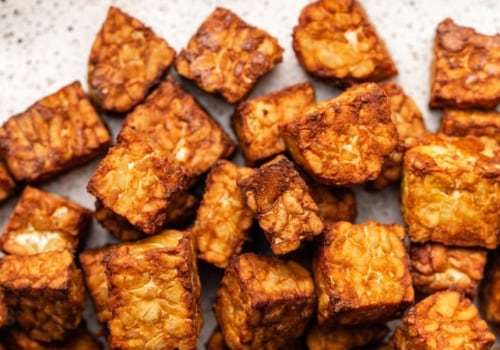
- Thickness Matters: For stir-frying, slice the tempeh into thin strips or cubes, about 1/4 to 1/2 inch thick. This size allows for even cooking and better flavour absorption.
- Shapes and Sizes: You can experiment with different shapes. For instance, cutting tempeh into triangles or small squares can create a unique presentation and texture in your stir-fry.
- Pre-steaming Option: Some cooks prefer to steam the tempeh for about 10 minutes before cutting. This process softens the tempeh, making it easier to slice and enhancing its ability to absorb marinades.
Marinating Tempeh
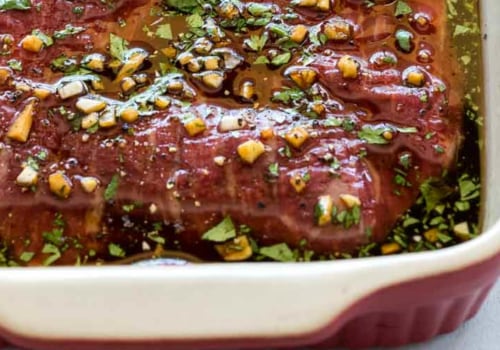
Marinating is an essential step that elevates the taste of tempeh.Here are some tips for effective marination:
- Choose Your Marinade Wisely: A simple marinade can consist of soy sauce, garlic, ginger, and a splash of sesame oil. You can also add spices like cumin or smoked paprika for an extra kick.
- Time is Key: Allow the tempeh to marinate for at least 30 minutes, but if you have more time, letting it sit for a few hours or overnight in the fridge will yield even better results.
- Coating Technique: Ensure that each piece of tempeh is well-coated in the marinade. You can use a zip-lock bag or a shallow dish to toss the tempeh with the marinade thoroughly.
Essential Stir-Frying Techniques for Tempeh
Stir-frying tempeh is an art that combines speed, technique, and flavour.To achieve the best results, it’s essential to master a few key techniques that will elevate your dish and ensure that the tempeh is cooked to perfection.
1.Preparing the Tempeh
- Cutting: Begin by slicing the tempeh into uniform pieces. This can be cubes, strips, or thin slices, depending on your preference. Uniformity ensures even cooking.
- Marinating: Consider marinating the tempeh for at least 30 minutes before cooking. A simple marinade of soy sauce, garlic, and ginger can infuse the tempeh with flavour and enhance its texture.
2.Choosing the Right Oil
The choice of oil is crucial in stir-frying.
Opt for oils with a high smoke point such as canola, sunflower, or peanut oil. These oils can withstand high temperatures without burning, allowing you to achieve that perfect sear on the tempeh.
3.Heat Management
Heat control is vital when stir-frying. Preheat your wok or skillet over medium-high heat until it’s hot but not smoking. Add the oil and swirl it around to coat the surface evenly.
If the oil shimmers, it’s ready for cooking.
4.Cooking Technique
- Add Tempeh First: Start by adding the tempeh to the hot oil. Allow it to cook undisturbed for a couple of minutes to develop a golden-brown crust before stirring.
- Stir-Fry Quickly: Once browned, stir frequently to ensure even cooking. The goal is to keep everything moving in the pan to prevent sticking and burning.
- Add Vegetables: Introduce your vegetables after the tempeh has started browning. This allows them to cook quickly while still retaining their crunch.
5.Timing is Key
Keep an eye on cooking times; tempeh cooks quickly, usually within 5-7 minutes depending on thickness.
Remove it from heat just before it’s fully cooked, as it will continue to cook from residual heat.
6.Finishing Touches
Add sauces or seasonings towards the end of cooking to prevent them from burning. A splash of soy sauce or a drizzle of sesame oil can enhance flavour without overpowering the dish.By following these essential stir-frying techniques, you can create deliciously cooked tempeh that serves as a fantastic base for a variety of meals. Experiment with different marinades and vegetables to find your perfect combination!
Choosing the Right Ingredients for Your Stir-Fry
When it comes to creating a delicious stir-fry with tempeh, the choice of ingredients plays a crucial role in enhancing the overall flavour and nutritional value of the dish. Selecting the right vegetables and sauces can elevate your stir-fry from ordinary to extraordinary.Best Vegetables for Stir-Fry
Choosing the right vegetables is essential for a well-balanced stir-fry.Here are some of the best options that pair beautifully with tempeh:
- Bell Peppers: Their sweet and crunchy texture adds a vibrant colour and flavour contrast.
- Broccoli: This nutrient-dense vegetable provides a satisfying crunch and absorbs flavours well.
- Carrots: Sliced thinly, they add sweetness and a pop of colour to your dish.
- Mushrooms: Varieties like shiitake or button mushrooms bring an earthy depth that complements tempeh.
- Zucchini: Its mild flavour and tender texture make it an excellent addition, soaking up sauces beautifully.
- Snow Peas: These add a crisp texture and a hint of sweetness, balancing the dish perfectly.
Sauces for Tempeh Stir-Fry
The right sauce can transform your stir-fry into a flavour-packed meal. Here are some popular sauces that work well with tempeh:- Soy Sauce: A classic choice, it adds umami and saltiness. Opt for low-sodium versions if you're watching your salt intake.
- Tamari: A gluten-free alternative to soy sauce, it offers a similar depth of flavour.
- Hoisin Sauce: This sweet and tangy sauce can add complexity to your stir-fry, making it more exciting.
- Sriracha or Chilli Sauce: For those who enjoy heat, these sauces can provide a spicy kick that pairs well with the nutty flavour of tempeh.
- Coconut Aminos: A sweeter, soy-free alternative that works well for those on specific dietary restrictions.
Flavour Combinations with Tempeh
The beauty of cooking with tempeh lies in its versatility. Here are some flavour combinations to consider when crafting your stir-fry:- Savoury and Sweet: Combine soy sauce with honey or maple syrup for a delightful balance.
- Citrus Zest: Adding lime or lemon juice can brighten up the dish and enhance the flavours of both the tempeh and vegetables.
- Aromatic Herbs: Fresh herbs like basil or cilantro can add freshness and complexity to your stir-fry.
- Nuts and Seeds: Topping your dish with sesame seeds or crushed peanuts can provide an added crunch and nutty flavour.
Experimenting with different ingredients will allow you to discover new favourite combinations that keep your meals exciting and nutritious.
Common Mistakes to Avoid When Stir-Frying Tempeh
Stir-frying tempeh can be a delightful culinary experience, but it’s easy to make mistakes that can lead to less-than-ideal results. Here are some common pitfalls to watch out for, along with practical tips to ensure your stir-fried tempeh turns out perfectly every time.- Not Prepping Ingredients Properly: One of the most frequent mistakes is failing to prepare all ingredients before starting to cook. Tempeh cooks quickly, and if you’re scrambling to chop vegetables while it’s in the pan, you risk overcooking the tempeh. Always have your vegetables chopped and sauces ready before you heat the pan.
- Using Insufficient Heat: Stir-frying requires high heat to achieve that signature sear and flavour.
If your pan isn’t hot enough when you add the tempeh, it will steam rather than fry, resulting in a soggy texture. Preheat your wok or skillet until it’s very hot before adding oil.
- Overcrowding the Pan: Adding too much tempeh or vegetables at once can lower the pan's temperature, leading to uneven cooking. This can cause some pieces to become mushy while others remain undercooked. Cook in batches if necessary, allowing enough space for each piece to fry properly.
- Neglecting to Marinate: Tempeh has a naturally nutty flavour that can be enhanced with marinades.
Skipping this step can result in bland dishes. Consider marinating your tempeh for at least 30 minutes before cooking to infuse it with flavour.
- Adding Sauces Too Early: Many cooks make the mistake of adding sauces too soon in the cooking process. This can lead to burnt flavours and a sticky mess. Add sauces towards the end of cooking, allowing them to coat the tempeh without burning.
- Overcooking Tempeh: Tempeh continues to cook even after being removed from heat, which can lead to a dry texture if not monitored closely.
To avoid this, take it off the heat just before it reaches your desired doneness and let it rest for a few minutes.
Frequently Asked Questions About Cooking with Tempeh
Cooking with tempeh can raise a variety of questions, especially for those new to this nutritious ingredient. Below are some frequently asked questions that can help clarify common queries about preparing and stir-frying tempeh.1.Do I need to cook tempeh before stir-frying it?
While tempeh can be eaten raw, it is generally recommended to steam or boil it briefly before stir-frying. This process helps to soften the texture and enhances its ability to absorb flavours from sauces and seasonings.2.How should I cut tempeh for stir-frying?
For optimal cooking, cut tempeh into small, uniform pieces.Cubes or thin slices work well, as they allow for even cooking and better flavour absorption. Aim for pieces that are about 1 cm thick to ensure they cook through without becoming too dry.
3.What type of oil is best for stir-frying tempeh?
When stir-frying tempeh, choose oils with a high smoke point, such as canola, sunflower, or sesame oil. These oils can withstand high temperatures without burning, allowing you to achieve a nice sear on the tempeh.4.Can I marinate tempeh before cooking?
Absolutely! Marinating tempeh is an excellent way to infuse it with flavour. A simple marinade can include soy sauce, garlic, ginger, and a splash of vinegar or citrus juice.Allow the tempeh to marinate for at least 30 minutes, or even overnight for deeper flavour.
5.How do I prevent tempeh from sticking to the pan?
To prevent sticking, ensure your pan is adequately heated before adding oil. Additionally, avoid overcrowding the pan; cook in batches if necessary. This allows the tempeh to brown properly and reduces the chance of sticking.6.What vegetables pair well with stir-fried tempeh?
A variety of vegetables complement stir-fried tempeh beautifully. Consider using bell peppers, broccoli, snap peas, carrots, and mushrooms.These vegetables not only add colour but also provide a range of textures and flavours that enhance your dish.
7.How can I add more flavour to my stir-fried tempeh?
In addition to marinades, consider adding sauces like soy sauce, hoisin sauce, or sriracha during the last few minutes of cooking. Fresh herbs like cilantro or basil can also elevate the dish when sprinkled on top just before serving.By addressing these common questions about cooking with tempeh, you can enhance your culinary skills and enjoy delicious stir-fried meals that are both nutritious and satisfying.Conclusion: Embracing Tempeh in Your Cooking Routine
In conclusion, incorporating tempeh into your cooking routine can significantly enhance both the nutritional value and flavour profile of your meals. As we have explored throughout this article, tempeh is not only a rich source of plant-based protein but also offers a unique texture and taste that can elevate a variety of dishes.By mastering the art of stir-frying, you can unlock the full potential of tempeh. The techniques discussed, such as ensuring your pan is adequately heated, cutting tempeh into uniform pieces, and avoiding overcrowding, are essential for achieving that perfect golden-brown finish.Additionally, the importance of seasoning and adding sauces at the right moment cannot be overstated; these steps are crucial for infusing your dish with vibrant flavours.Moreover, tempeh's versatility means it can easily adapt to different cuisines and flavour profiles. Whether you prefer Asian-inspired stir-fries with soy sauce and ginger or Mediterranean dishes with herbs and olive oil, tempeh can seamlessly fit into your culinary creations. This adaptability makes it an excellent choice for those looking to diversify their meals while maintaining a healthy diet.As you experiment with various recipes and cooking methods, don’t hesitate to get creative. Try marinating tempeh before cooking or pairing it with seasonal vegetables to make the most of what’s available.
The more you incorporate tempeh into your meals, the more comfortable you will become with its preparation and flavour combinations.Ultimately, embracing tempeh in your cooking routine not only supports a healthier lifestyle but also encourages culinary exploration. So why not start today? With its numerous health benefits and delicious potential, tempeh is sure to become a staple in your kitchen.