In the quest for a nutritious meal that is both satisfying and delicious, few combinations rival that of tempeh and broccoli. This dynamic duo not only tantalises the taste buds but also packs a powerful nutritional punch, making it an ideal choice for anyone looking to enhance their diet with wholesome, plant-based ingredients. Tempeh, a fermented soybean product originating from Indonesia, is renowned for its rich protein content and unique nutty flavour. When paired with broccoli, a cruciferous vegetable celebrated for its high levels of vitamins and minerals, this meal option becomes a veritable feast for both the palate and the body.The health benefits of tempeh and broccoli are extensive.
Tempeh is an excellent source of plant-based protein , providing all nine essential amino acids necessary for muscle repair and growth. Additionally, it is rich in dietary fibre, which aids in digestion and promotes a feeling of fullness. Broccoli complements this by offering an abundance of vitamins C and K, as well as folate and potassium, all of which contribute to overall health and well-being. Together, they create a balanced meal that supports various bodily functions, from immune health to bone strength.As more individuals embrace plant-based diets, the appeal of tempeh and broccoli continues to grow.
Not only are they versatile ingredients that can be incorporated into a myriad of dishes—from stir-fries to salads—but they also cater to various dietary preferences, including vegan and vegetarian lifestyles. The combination is not just about nutrition; it’s about creating meals that are enjoyable and fulfilling. In the following sections, we will delve deeper into the myriad ways to prepare this delightful pairing, explore their extensive health benefits, and provide creative recipes that will inspire you to make tempeh and broccoli a staple in your kitchen.
What is Tempeh?
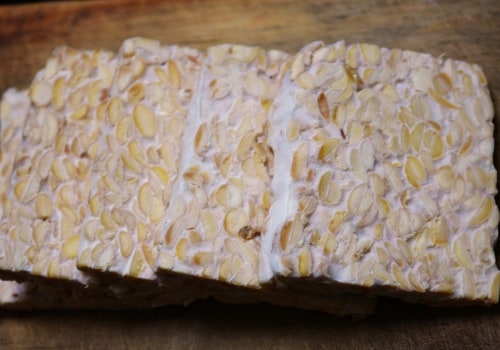
Tempeh is a traditional Indonesian food made from fermented soybeans, which has gained popularity worldwide due to its impressive nutritional profile and versatility in cooking. The origins of tempeh can be traced back to Java, Indonesia, where it has been consumed for centuries as a staple protein source.Unlike tofu, which is made from soy milk, tempeh is produced by fermenting whole soybeans, resulting in a firm texture and a nutty flavour.The production process of tempeh involves soaking soybeans, cooking them, and then inoculating them with a specific culture of Rhizopus oligosporus, a type of mould. This mixture is then placed in a warm environment to ferment for approximately 24 to 48 hours. During this time, the mould binds the soybeans together into a cake-like form, enhancing its nutritional value and digestibility. The fermentation process not only preserves the soybeans but also enriches them with beneficial probiotics.
Nutritional Profile of Tempeh
Tempeh is renowned for its rich nutritional content.A typical serving (about 100 grams) contains:
- Protein: Approximately 19 grams, making it an excellent source of plant-based protein.
- Fibre: Around 7-8 grams, which aids in digestion and promotes gut health.
- Vitamins: High levels of B vitamins, including B2 (riboflavin), B3 (niacin), and B6, which are essential for energy metabolism.
- Minerals: Significant amounts of iron, calcium, magnesium, and phosphorus.
Health Benefits of Tempeh
The health benefits of incorporating tempeh into your diet are numerous:- Supports Digestive Health: The fermentation process increases the bioavailability of nutrients and introduces probiotics that promote a healthy gut microbiome.
- Aids Muscle Growth: With its high protein content, tempeh is ideal for those looking to build muscle or maintain muscle mass while following a plant-based diet.
- Heart Health: Tempeh contains healthy fats and is low in saturated fat, contributing to improved cardiovascular health.
- Bone Health: The calcium and magnesium found in tempeh support strong bones and may help prevent osteoporosis.
Nutritional Benefits of Tempeh
Tempeh is not just a versatile ingredient; it is also a nutritional powerhouse that offers a myriad of health benefits. Understanding the nutritional facts of tempeh can help you appreciate its role in a balanced diet.One of the standout features of tempeh is its impressive protein content. A typical serving of tempeh (about 100 grams) contains approximately 19 grams of protein, making it an excellent source for those following a plant-based diet.This high protein content is essential for muscle repair, growth, and overall bodily function.In addition to protein, tempeh is rich in several vital vitamins and minerals:
- Vitamin B12: While tempeh itself does not contain vitamin B12, it is often fortified, making it a valuable source for vegans and vegetarians.
- Iron: Tempeh provides about 2.7 mg of iron per serving, which is crucial for oxygen transport in the blood and energy production.
- Calcium: With around 18% of the daily recommended intake per serving, tempeh supports bone health and muscle function.
- Magnesium: This mineral plays a key role in over 300 enzymatic reactions in the body, including energy production and muscle contraction.
- Phosphorus: Important for maintaining healthy bones and teeth, phosphorus also aids in energy metabolism.
The Health Benefits of Broccoli
Broccoli is often hailed as a superfood, and for good reason.This vibrant green vegetable is not only versatile in the kitchen but also packed with an impressive array of nutrients that contribute to overall health and wellness. Understanding the nutritional profile of broccoli can help you appreciate its role in a balanced diet.One of the standout features of broccoli is its rich content of vitamins and minerals. A typical serving of cooked broccoli (about 90 grams) contains:
- Vitamin C: Approximately 81 mg, which is more than 100% of the daily recommended intake. Vitamin C is essential for immune function, skin health, and collagen production.
- Vitamin K: Around 92 mcg, crucial for blood clotting and bone health.
- Folate: About 57 mcg, important for DNA synthesis and repair, making it especially vital during pregnancy.
- Potassium: Approximately 457 mg, which helps regulate blood pressure and supports heart health.
- Iron: Contains about 0.73 mg, contributing to oxygen transport in the body.
The fiber content can also assist in weight management by promoting a feeling of fullness.The health benefits of broccoli extend beyond its nutritional content. Regular consumption of this cruciferous vegetable has been linked to various health advantages:
- Antioxidant Properties: Broccoli contains powerful antioxidants such as sulforaphane, which may help combat oxidative stress and reduce inflammation in the body.
- Cancer Prevention: Some studies suggest that compounds found in broccoli may lower the risk of certain cancers, including breast, prostate, and colorectal cancers.
- Heart Health: The high levels of potassium and fiber contribute to cardiovascular health by helping to lower cholesterol levels and improve blood circulation.
- Bone Health: With its significant vitamin K content, broccoli supports bone density and may help prevent osteoporosis.
Combining Tempeh and Broccoli: A Nutritional Powerhouse
When it comes to creating a nutritious meal, the combination of tempeh and broccoli stands out as a remarkable duo. Each ingredient brings its own unique set of health benefits, and together they form a synergistic relationship that enhances their nutritional profiles.Tempeh: A Protein Powerhouse
Tempeh is a fermented soybean product that is not only rich in protein but also packed with essential amino acids.
This makes it an excellent choice for those following a plant-based diet. In addition to protein, tempeh is a good source of:
- Vitamins: It contains B vitamins, particularly B2 (riboflavin) and B3 (niacin), which are crucial for energy metabolism.
- Minerals: Tempeh is high in magnesium, phosphorus, and iron, all of which play vital roles in maintaining overall health.
- Probiotics: The fermentation process not only enhances its digestibility but also introduces beneficial bacteria that support gut health.
Broccoli: A Nutrient-Dense Vegetable
Broccoli is often hailed as a superfood due to its impressive nutrient density. It is loaded with vitamins and minerals, including:
- Vitamin C: Essential for immune function and skin health.
- Vitamin K: Important for bone health and blood clotting.
- Folate: Crucial for DNA synthesis and repair, making it especially important during pregnancy.
- Antioxidants: Broccoli contains sulforaphane, a compound known for its cancer-fighting properties.
The Synergy of Tempeh and Broccoli
The real magic happens when you combine tempeh and broccoli in your meals. The high protein content of tempeh complements the fibre-rich profile of broccoli, creating a balanced dish that promotes satiety and supports digestive health.
Furthermore, the vitamin C in broccoli enhances the absorption of iron from tempeh, making this combination not only delicious but also highly effective in meeting your nutritional needs.This pairing is versatile and can be incorporated into various dishes such as stir-fries, salads, or grain bowls. By choosing to combine these two ingredients, you are not only indulging in a tasty meal but also investing in your health with every bite.
Cooking Methods for Tempeh and Broccoli
When it comes to preparing tempeh and broccoli, the cooking methods you choose can significantly influence the final taste and texture of your dish. Each technique brings out different flavours and can enhance the nutritional benefits of these ingredients. Here are some popular methods to consider:Stir-Frying
Stir-frying is a quick and effective way to cook both tempeh and broccoli while preserving their nutrients.This method allows for high heat cooking, which caramelises the natural sugars in the vegetables, enhancing their flavour.
- Preparation: Cut tempeh into bite-sized cubes and broccoli into florets.
- Cooking: Heat a tablespoon of oil in a wok or large frying pan over medium-high heat. Add the tempeh first, cooking until golden brown, then add the broccoli along with garlic and ginger for added flavour.
- Tip: Use a splash of soy sauce or tamari towards the end of cooking for an umami boost.
Baking
Baking tempeh and broccoli is another excellent method that allows for a hands-off approach while developing rich flavours.- Preparation: Preheat your oven to 190°C (375°F). Marinate tempeh in your choice of sauce for at least 30 minutes to infuse flavour.
- Cooking: Spread the marinated tempeh and broccoli on a baking tray lined with parchment paper. Bake for 20-25 minutes, turning halfway through to ensure even cooking.
- Tip: For added crunch, broil for the last few minutes of cooking.
Steaming
If you prefer a healthier option that retains most of the nutrients, steaming is an ideal choice.This method is particularly beneficial for broccoli, as it helps maintain its vibrant colour and crisp texture.
- Preparation: Cut broccoli into florets and slice tempeh into thin strips.
- Cooking: Place broccoli in a steamer basket over boiling water. After about 3-4 minutes, add the tempeh strips to steam alongside the broccoli for an additional 5-7 minutes.
- Tip: Season with lemon juice or a sprinkle of salt immediately after steaming to enhance flavour.
Tips for Making Tempeh and Broccoli Meals Even Better
Creating delicious meals with tempeh and broccoli can be an enjoyable culinary adventure. Here are some practical tips to enhance the flavours, presentation, and overall experience of your dishes.Experiment with Marinades
One of the simplest ways to elevate the taste of tempeh is through marination.Since tempeh has a naturally nutty flavour, it readily absorbs marinades. Consider using:
- Soy sauce or tamari for a salty umami kick.
- Citrus juices , such as lemon or lime, to add brightness.
- Spices like smoked paprika or cumin for depth.
- Maple syrup or agave nectar for a hint of sweetness.
Choose the Right Cooking Method
The cooking method you select can significantly impact the texture and taste of your meal. Here are some popular techniques:- Stir-frying: Quick and effective, this method retains the crunchiness of broccoli while giving tempeh a crispy exterior.
- Baking: Roasting tempeh and broccoli together in the oven allows for caramelisation, enhancing their natural sweetness.
- Steaming: This method preserves nutrients and is ideal if you prefer a softer texture.
- Sautéing: A quick sauté with garlic and ginger can infuse your dish with aromatic flavours.
Add Texture and Colour
A visually appealing dish is often more appetising. To enhance both texture and colour:- Add crunchy nuts , such as almonds or cashews, for a delightful contrast.
- Incorporate colourful vegetables , like bell peppers or carrots, to make your dish pop.
- Garnish with fresh herbs like basil , cilantro , or parsley , which not only add colour but also freshen up the flavours.
Create Customisable Bowls
Bowl meals are increasingly popular for their versatility.Prepare a base of grains like quinoa or brown rice, then let everyone customise their bowl with:
- Cubed tempeh and steamed broccoli as the main components.
- A variety of toppings such as sliced avocado , diced tomatoes , or sauerkraut .
- Your choice of sauces, from tahini dressing to spicy sriracha, allowing each person to tailor their meal to their taste preferences.
Frequently Asked Questions about Tempeh and Broccoli
When it comes to incorporating tempeh and broccoli into your meals, you may have some questions. Below are answers to some of the most frequently asked questions regarding these nutritious ingredients.What is tempeh and how is it made?
Tempeh is a traditional Indonesian food made from fermented soybeans. The process involves cooking soybeans, inoculating them with a specific culture, and allowing them to ferment for 24 to 48 hours. This fermentation process not only enhances the nutritional profile of the soybeans but also gives tempeh its unique nutty flavour and firm texture.Is tempeh a good source of protein?
Yes, tempeh is an excellent source of plant-based protein.A typical serving (about 100 grams) contains approximately 19 grams of protein, making it a fantastic option for vegetarians and vegans looking to meet their protein needs. Additionally, tempeh provides essential amino acids that are crucial for muscle repair and overall health.
How should I prepare tempeh?
Tempeh can be prepared in various ways, including:- Stir-frying: Cut tempeh into cubes or slices and stir-fry with vegetables like broccoli for a quick meal.
- Baking: Marinate tempeh in your favourite sauce and bake it for a crispy texture.
- Grilling: Tempeh can be grilled for added flavour; just ensure it's marinated beforehand.
- Steaming: Steaming tempeh can help retain its nutrients while making it tender.
What are the health benefits of broccoli?
Broccoli is a nutrient-dense vegetable packed with vitamins and minerals. It is particularly high in vitamin C, vitamin K, and folate. Additionally, broccoli contains antioxidants that help combat oxidative stress in the body.Regular consumption of broccoli has been linked to improved heart health, enhanced immune function, and even cancer prevention due to its high levels of sulforaphane.
Can I eat tempeh raw?
While tempeh is technically safe to eat raw due to the fermentation process, it is generally recommended to cook it before consumption. Cooking enhances its flavour and texture while also making it easier to digest.How do I store leftover tempeh and broccoli?
If you have leftover cooked tempeh and broccoli, store them in an airtight container in the refrigerator. They can typically last for up to 3-5 days. For longer storage, consider freezing them; however, note that the texture may change upon thawing.By addressing these common queries about tempeh and broccoli, you can feel more confident in incorporating these nutritious ingredients into your meals!Conclusion: Embracing Tempeh and Broccoli in Your Diet
In conclusion, incorporating tempeh and broccoli into your diet is not just a culinary choice; it is a step towards embracing a healthier lifestyle.This dynamic duo offers a wealth of nutritional benefits that can significantly enhance your overall well-being. From their impressive protein content to their rich array of vitamins and minerals, tempeh and broccoli together create a balanced meal that supports various aspects of health.Throughout this article, we have explored the numerous advantages of both ingredients. Tempeh , as a fermented soybean product, stands out for its high protein and fibre content, making it an excellent choice for those seeking plant-based protein sources. Its fermentation process also contributes to gut health by providing beneficial probiotics.
On the other hand, broccoli is renowned for its high levels of vitamins C and K, along with essential minerals like potassium and iron, which are vital for maintaining energy levels and supporting immune function.Moreover, the versatility of tempeh and broccoli allows for endless culinary creativity. Whether you prefer stir-frying, baking, or incorporating them into salads, these ingredients can be adapted to suit any palate. By experimenting with different flavours, spices, and cooking methods, you can create meals that are not only nutritious but also exciting and enjoyable.As you consider your dietary choices moving forward, remember that making small changes can lead to significant health benefits. By regularly including tempeh and broccoli in your meals, you are not only nourishing your body but also setting a positive example for those around you.
Embrace this delicious combination as part of your daily routine and watch as it transforms your approach to healthy eating.In summary, tempeh and broccoli are more than just ingredients; they are a pathway to improved health and well-being. Start incorporating them into your meals today and discover the delightful flavours and nutritional benefits they bring to your table.