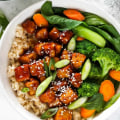
When it comes to cooking, the space within your pan is not just a matter of convenience; it plays a crucial role in the overall success of your dish. This is particularly true when preparing ingredients like tempeh, a versatile plant-based protein that can easily become overcooked or undercooked if not given the right amount of space to breathe. Understanding the importance of pan space can significantly enhance your cooking techniques, ensuring that each ingredient is cooked evenly and retains its intended texture and flavour.One common mistake many home cooks make is overcrowding the pan. This often stems from a desire to prepare meals quickly or to maximise the use of available ingredients.
However, cramming too much into a single pan can lead to disastrous results, such as uneven cooking, where some pieces may be perfectly browned while others remain raw or soggy. For tempeh, which benefits from a crispy exterior and a tender interior, overcrowding can prevent it from achieving that desirable texture.Moreover, when ingredients are packed too closely together, they tend to steam rather than sear. This is particularly detrimental for tempeh, as it thrives on high heat that allows for caramelisation and flavour development. To avoid these pitfalls, it’s essential to recognise how much space your ingredients need to cook properly.
By giving each piece of tempeh enough room in the pan, you allow for optimal heat circulation and moisture evaporation, resulting in a dish that is both delicious and visually appealing.In this article, we will delve deeper into the significance of pan space in cooking and provide practical tips for preparing tempeh effectively. By understanding how to manage your cooking space wisely, you can elevate your culinary skills and create meals that are not only satisfying but also showcase the full potential of your ingredients.
What is Tempeh and Why Choose It?
Tempeh is a traditional Indonesian food made from fermented soybeans, and it has gained popularity worldwide as a versatile and nutritious protein source. Unlike tofu, which is made from soy milk, tempeh is produced by fermenting whole soybeans, resulting in a firm texture and a nutty flavour. This fermentation process not only enhances its taste but also increases its nutritional value, making it an excellent choice for both vegetarians and meat-eaters alike.One of the primary reasons to choose tempeh is its impressive nutritional profile.It is rich in protein, containing about 19 grams of protein per 100 grams, making it an ideal meat substitute for those looking to reduce their meat consumption. Additionally, tempeh is a good source of dietary fibre, which aids in digestion and promotes gut health. It also contains essential vitamins and minerals such as calcium, iron, magnesium, and B vitamins, contributing to overall well-being.Moreover, tempeh is known for its probiotic properties due to the fermentation process. Probiotics are beneficial bacteria that support gut health and can enhance the immune system.
This makes tempeh not only a nutritious food choice but also one that can contribute positively to digestive health.Another significant benefit of tempeh is its versatility in cooking. It can be marinated, grilled, sautéed, or crumbled into dishes, allowing it to absorb flavours beautifully. This adaptability makes it an excellent addition to various cuisines, from stir-fries to salads and sandwiches.In summary, tempeh stands out as a nutritious and versatile food option that offers numerous health benefits. Its high protein content, rich nutrient profile, probiotic properties, and culinary flexibility make it a popular choice for anyone looking to enhance their diet with plant-based options.
The Science Behind Overcrowding the Pan
Understanding the science behind cooking is essential for achieving optimal results in the kitchen.One of the most critical aspects of cooking is heat distribution, which can be severely affected by overcrowding the pan. When ingredients are packed too closely together, they cannot cook evenly, leading to a range of undesirable outcomes.At its core, cooking is about transferring heat from the pan to the food. This process relies on direct contact between the heat source and the ingredients. When a pan is overcrowded, several issues arise:
- Insufficient Heat Transfer: When food items are too close together, they create barriers that prevent heat from reaching all surfaces evenly.
This can result in some pieces being undercooked while others may be overcooked.
- Steam Buildup: Overcrowding can trap moisture in the pan, leading to steaming rather than searing. While steaming has its place in cooking, it often results in soggy textures that lack the desired crispness.
- Temperature Fluctuations: A crowded pan can lead to significant temperature drops as cold ingredients are added. This can cause the cooking process to slow down, making it difficult to achieve the intended doneness.
For instance, when sautéing vegetables or proteins, allowing them space ensures that they caramelise effectively, developing rich flavours and appealing textures.Moreover, different ingredients have varying cooking times and methods. For example, delicate items like fish require gentle heat and space to avoid breaking apart, while denser foods like potatoes need more time to cook through. By overcrowding the pan, you risk compromising the integrity of each ingredient.In summary, understanding the science behind overcrowding is crucial for successful cooking. By ensuring adequate space for each ingredient, you promote even heat distribution and enhance flavour development, ultimately leading to a more satisfying culinary experience.
Common Mistakes When Cooking Tempeh
Cooking tempeh can be a delightful experience, but many home cooks encounter common pitfalls that can hinder the final result.One of the most significant mistakes is overcrowding the pan, which can lead to uneven cooking and a less-than-ideal texture. Understanding these common errors is essential for achieving the best flavour and consistency in your dishes.
Overcrowding the Pan
When preparing tempeh, it’s crucial to give each piece enough space in the pan. Overcrowding can trap steam, preventing the tempeh from browning properly. This not only affects the texture but also diminishes the rich, nutty flavour that tempeh is known for.
Instead of a crispy exterior, you may end up with a soggy or rubbery texture.
Using Insufficient Heat
Another common mistake is not using enough heat when cooking tempeh. A high enough temperature is necessary to achieve that desirable golden-brown crust. If the heat is too low, the tempeh will absorb excess moisture and become mushy. Always preheat your pan and use a suitable amount of oil to create a non-stick surface.
Neglecting to Marinate
Tempeh has a naturally earthy flavour that can be enhanced through marination.
Skipping this step can result in bland dishes. A simple marinade of soy sauce, garlic, and ginger can elevate the taste significantly. Allowing the tempeh to soak in the marinade for at least 30 minutes will help infuse it with flavour.
Not Preparing Tempeh Properly
- Cutting Size: Cutting tempeh into uniform pieces ensures even cooking. Irregular sizes can lead to some pieces being overcooked while others remain undercooked.
- Cooking Time: Overcooking tempeh can make it tough and chewy.
Keep an eye on cooking times and remove it from heat as soon as it reaches your desired texture.
Ignoring Texture Changes
As tempeh cooks, its texture will change. Pay attention to these changes; if it starts to look dry or overly firm, it may be time to adjust your cooking method or add a splash of liquid to keep it moist.By avoiding these common mistakes and focusing on proper techniques, you can ensure that your tempeh dishes are not only delicious but also visually appealing and satisfying in texture. Remember, cooking is about experimentation and learning from each attempt!
Choosing the Right Pan for Cooking Tempeh
When it comes to cooking tempeh, selecting the right pan is crucial for achieving the best results. The choice of pan can significantly influence the texture and flavour of your dish, making it essential to consider various factors such as material, size, and shape.Material Matters
- Non-Stick Pans: These are excellent for cooking tempeh, as they require less oil and help prevent sticking.
This is particularly beneficial when you want to achieve a crispy exterior without excessive fat.
- Cast Iron Skillets: Known for their heat retention and even cooking, cast iron skillets are perfect for searing tempeh. They can withstand high temperatures, allowing you to achieve a beautiful golden crust.
- Stainless Steel Pans: While they may require a bit more oil to prevent sticking, stainless steel pans are great for browning tempeh. They provide a nice sear and can handle high heat well.
Choosing the Right Size
The size of your pan is equally important. A pan that is too small will lead to overcrowding, which can result in uneven cooking and steaming rather than browning.
Conversely, a pan that is too large may cause the tempeh to dry out. Here are some tips for selecting the right size:
- Consider Quantity: If you’re cooking a large batch of tempeh, opt for a larger pan to ensure each piece has enough space to cook evenly.
- Single Layer Cooking: Always aim to lay the tempeh in a single layer. This allows for proper heat circulation and ensures that each piece gets adequately cooked.
Shape of the Pan
The shape of your pan can also affect cooking outcomes. A wide, flat skillet is ideal for achieving maximum surface area contact with the heat source, promoting even browning.
On the other hand, deeper pans may trap moisture, which is not ideal for achieving that crispy texture.In summary, when cooking tempeh, consider using a non-stick or cast iron skillet in an appropriate size that allows for single-layer cooking. By paying attention to these details, you can enhance the flavour and texture of your tempeh dishes significantly.
Techniques to Avoid Overcrowding When Cooking Tempeh
Cooking tempeh can be a delightful experience, but to achieve the best results, it is crucial to avoid overcrowding the pan. Overcrowding can lead to uneven cooking and a less than desirable texture. Here are some effective techniques to ensure your tempeh is cooked perfectly every time.1.Prepare Your Tempeh Properly
Before cooking, consider how you prepare your tempeh.Cutting it into uniform pieces not only enhances its appearance but also promotes even cooking. Aim for slices that are about 1/2 inch thick; this size allows for a good balance between crispiness on the outside and tenderness on the inside.
2.Use the Right Pan Size
Selecting an appropriately sized pan is essential. A pan that is too small will force you to cram in your tempeh, leading to steaming rather than browning. Conversely, a larger pan allows for better heat distribution and air circulation.A skillet or frying pan with a wide surface area is ideal for cooking tempeh.
3.Space Out Your Ingredients
When placing your tempeh in the pan, ensure there is enough space between each piece. This spacing allows hot air to circulate around the tempeh, promoting even cooking and preventing sogginess. If necessary, cook in batches; this may take a little longer but will yield far superior results.4.Consider Cooking Methods
The method you choose can also impact how crowded your pan feels. For instance, frying or sautéing tempeh requires more space than steaming or simmering.If you prefer to steam your tempeh, consider using a steamer basket that allows for ample space around each piece.
5.Monitor Cooking Temperature
Maintaining the right temperature is vital when cooking tempeh. If the heat is too low, the tempeh will release moisture and create steam, which can lead to overcrowding effects even if the pan isn’t physically full. Preheat your pan adequately before adding oil and then the tempeh to ensure a good sear.6.Batch Cooking
If you have a large quantity of tempeh to cook, consider batch cooking. This involves cooking smaller portions at a time rather than trying to fit everything into one go.Not only does this prevent overcrowding, but it also allows you to focus on achieving that perfect golden-brown crust on each piece.By implementing these techniques, you can avoid overcrowding when cooking tempeh and ensure that each piece is cooked evenly and deliciously. Enjoy experimenting with different flavours and textures while keeping these tips in mind for optimal results!
Increasing Surface Area for Better Cooking Results
When it comes to cooking tempeh, one of the most effective strategies for achieving optimal results is to increase its surface area. This not only enhances the flavour and texture but also ensures that the tempeh cooks evenly and absorbs marinades more effectively. Here are some cutting techniques and tips to maximise the surface area of your tempeh.Cutting Techniques
There are several methods to cut tempeh that can significantly impact its cooking efficiency:- Thin Slices: Cutting tempeh into thin slices allows for greater exposure to heat, which can lead to a crispier texture.
Aim for slices that are about 0.5 cm thick. This method is particularly effective when pan-frying or grilling.
- Cubes: Dicing tempeh into small cubes increases the surface area while also making it easier to incorporate into stir-fries or salads. Cubes should be around 1 cm in size for even cooking.
- Strips: Cutting tempeh into strips can be ideal for dishes like tacos or wraps. Strips should be about 1-2 cm wide, allowing them to cook quickly while still providing a satisfying bite.
- Crumbled: For recipes like tempeh tacos or sauces, crumbling tempeh can create a texture similar to ground meat.
This method maximises surface area and allows for quick absorption of flavours.
Impact on Cooking Efficiency
Increasing the surface area of tempeh not only enhances its flavour but also improves cooking efficiency in several ways:- Even Cooking: When tempeh pieces are cut smaller, they cook more evenly, reducing the risk of some parts being undercooked while others are overdone.
- Better Marinade Absorption: A larger surface area allows marinades and seasonings to penetrate deeper into the tempeh, resulting in a more flavourful dish.
- Crispier Texture: Smaller pieces tend to develop a crispier exterior when pan-fried or baked, adding an appealing contrast to the tender interior.
Stirring and Flipping: Key Techniques for Even Cooking
When it comes to achieving perfectly cooked dishes, stirring and flipping are essential techniques that can significantly enhance the quality of your meals. These actions not only promote even cooking but also help prevent ingredients from sticking together or burning, particularly when working with versatile ingredients like tempeh.Understanding the Importance of Stirring
Stirring is a fundamental technique that ensures all ingredients in the pan receive equal exposure to heat. This is especially crucial when cooking items that can easily become unevenly cooked, such as vegetables or proteins like tempeh.
By stirring regularly, you allow the heat to circulate around the ingredients, which helps to:
- Distribute Heat Evenly: Stirring helps to move the ingredients around, ensuring that every piece is cooked at a similar temperature.
- Prevent Sticking: Ingredients can easily stick together when overcrowded. Regular stirring keeps them separated and allows for better browning.
- Enhance Flavour: As you stir, you can incorporate seasonings and marinades more effectively, allowing flavours to meld beautifully.
The Art of Flipping
Flipping is another critical technique that complements stirring. It involves turning the food over to ensure both sides are cooked evenly. This is particularly important for items like tempeh, which can develop a delightful crust when seared properly.
Here are some tips for effective flipping:
- Use the Right Utensil: A spatula or tongs can help you flip ingredients without breaking them apart. Choose a tool that suits the size and type of food you are cooking.
- Timing is Key: Wait until one side has developed a golden-brown crust before flipping. This not only enhances texture but also adds depth of flavour.
- Avoid Over-Flipping: Resist the urge to flip too frequently; this can prevent proper browning and lead to uneven cooking.
Practical Tips for Cooking Tempeh
When preparing tempeh, these techniques become even more vital. Here are some specific tips for using stirring and flipping effectively with tempeh:
- Cut into Uniform Pieces: Before cooking, slice tempeh into even pieces to ensure consistent cooking times.
- Marinate for Flavour: Marinating tempeh before cooking not only enhances its taste but also helps it absorb heat more evenly during stirring and flipping.
- Sear First: Start by searing tempeh on high heat for a few minutes on each side before reducing the heat to allow it to cook through without burning.
How to Season Tempeh Without Overcrowding the Pan
Seasoning tempeh effectively is crucial for enhancing its natural flavour, and doing so without overcrowding the pan is essential for achieving the best results.Here are some tips and techniques to ensure your tempeh is well-seasoned and delicious.
Marinating Tempeh
One of the most effective ways to infuse flavour into tempeh is through marination. A good marinade not only adds depth but also helps to tenderise the tempeh. Here’s how to do it:- Choose Your Base: Start with a liquid base such as soy sauce, tamari, or a combination of vinegar and oil. These liquids help the tempeh absorb flavours.
- Add Aromatics: Incorporate garlic, ginger, or shallots for an aromatic boost.
Fresh herbs like thyme or rosemary can also enhance the overall taste.
- Include Sweetness: A touch of sweetness from maple syrup or honey can balance the saltiness of soy sauce and create a more complex flavour profile.
- Timing is Key: Allow the tempeh to marinate for at least 30 minutes, but for optimal flavour, aim for 2-4 hours. If time permits, marinating overnight in the refrigerator can yield even better results.
Cooking Techniques
Once your tempeh is marinated, it’s important to cook it properly without overcrowding the pan. Here are some techniques to consider:- Batch Cooking: Instead of cooking all your marinated tempeh at once, divide it into smaller batches. This allows each piece to have enough space in the pan, ensuring even cooking and preventing steaming.
- Use a Hot Pan: Preheat your pan before adding the tempeh.
A hot surface will help sear the outside quickly, locking in moisture and flavour.
- Flip Regularly: To achieve an even golden-brown crust, flip the tempeh pieces regularly. This not only enhances texture but also allows for better caramelisation of the marinade.
'Batch Cooking' as a Solution to Overcrowding Issues
Batch cooking is an effective strategy that not only helps to avoid overcrowding the pan but also enhances your overall cooking experience. By preparing larger quantities of food at once, you can streamline your meal preparation process, save time, and reduce food waste.Benefits of Batch Cooking
- Time Efficiency: One of the most significant advantages of batch cooking is the time it saves.
Instead of cooking every meal from scratch, you can dedicate a few hours to prepare multiple dishes. This means less time spent in the kitchen during the week, allowing you to focus on other activities.
- Cost-Effective: Buying ingredients in bulk often leads to savings. When you batch cook, you can take advantage of sales and seasonal produce, reducing your grocery bills while ensuring you have nutritious meals ready to go.
- Reduced Food Waste: By planning your meals and cooking in batches, you can use up ingredients before they spoil. This not only saves money but also contributes to a more sustainable lifestyle.
- Healthier Choices: Batch cooking allows you to control the ingredients in your meals, making it easier to prepare healthy options.
You can incorporate a variety of vegetables, whole grains, and lean proteins into your dishes, ensuring balanced nutrition.
Meal Prep Tips for Successful Batch Cooking
- Plan Your Menu: Before you start cooking, take some time to plan your meals for the week. Choose recipes that complement each other and use similar ingredients to minimise waste.
- Invest in Quality Containers: Having a set of good-quality storage containers is essential for batch cooking. Opt for airtight containers that are microwave and freezer safe to keep your meals fresh.
- Cook in Batches: When preparing your meals, cook larger quantities of staples like grains or proteins that can be used across multiple dishes. For example, cook a big pot of quinoa or roast a tray of tempeh that can be added to salads, stir-fries, or wraps throughout the week.
- Label and Date Your Meals: To keep track of what you have prepared and when it was made, label each container with the name of the dish and the date it was cooked.
This will help you use older meals first and ensure freshness.
'Conclusion: Perfecting Your Tempeh Cooking Skills'
In conclusion, mastering the art of cooking tempeh requires a keen understanding of various techniques, particularly the importance of avoiding overcrowding the pan. Throughout this article, we have explored how overcrowding can lead to uneven cooking, resulting in a less than satisfactory texture and flavour. By ensuring that your tempeh has enough space to cook properly, you can achieve that perfect golden-brown crust while maintaining its moist interior.To recap, here are some essential techniques to keep in mind when cooking tempeh:- Select the Right Pan Size: Always choose a pan that accommodates your ingredients comfortably.
A larger pan allows for better heat distribution and prevents the tempeh from steaming rather than frying.
- Spread Out Ingredients: Arrange your tempeh pieces in a single layer without overlapping. This ensures that each piece receives direct heat, promoting even cooking and enhancing flavour.
- Increase Surface Area: Cutting tempeh into smaller pieces or thinner slices can significantly increase its surface area. This not only helps in achieving a crispy texture but also allows for better absorption of marinades and seasonings.
- Stir and Flip Regularly: Engaging with your tempeh while it cooks is crucial. Stirring and flipping help to prevent sticking and ensure that all sides are cooked evenly, enhancing the overall taste.
Remember, the key to successful cooking lies in patience and attention to detail. Avoiding overcrowding is not just about space; it’s about giving each ingredient the opportunity to shine. With practice and these techniques in your culinary toolkit, you will be well on your way to perfecting your tempeh cooking skills.