Garlic, a member of the Allium family, has been revered for its culinary and medicinal properties for thousands of years. Its distinctive aroma and flavour have made it a staple in kitchens around the globe, while its health benefits have earned it a place in traditional medicine practices. From ancient civilisations to modern-day cooking, garlic has played a pivotal role in enhancing the taste of dishes and promoting well-being.The history of garlic is rich and varied, with evidence suggesting its use dating back to ancient Egypt, where it was consumed by labourers for strength and endurance. It was also highly valued in ancient Greece and Rome, often associated with health and vitality.
Over the centuries, garlic has transcended cultural boundaries, finding its way into diverse cuisines—from Italian pasta sauces to Asian stir-fries—each culture embracing its unique flavour profile.Beyond its culinary applications, garlic is celebrated for its numerous health benefits. Research has shown that garlic possesses potent anti-inflammatory and antioxidant properties, making it a powerful ally in the fight against various ailments. Regular consumption of garlic has been linked to improved heart health, reduced cholesterol levels, and enhanced immune function. Furthermore, its natural compounds are believed to have antimicrobial effects, helping to ward off infections.As we delve deeper into the world of garlic, we will explore its fascinating history, diverse uses in cooking, and the myriad health benefits it offers.
Whether you are a seasoned chef or a curious home cook, understanding the significance of garlic can elevate your culinary creations while contributing to your overall health.
The Historical Significance of Garlic
Garlic, known scientifically as Allium sativum, has a storied past that dates back thousands of years. Its origins can be traced to Central Asia, where it was first cultivated for both culinary and medicinal purposes. The ancient Egyptians revered garlic, incorporating it into their diet and using it as a form of currency. Historical records indicate that garlic was fed to the workers who built the pyramids, believed to enhance their strength and endurance.In addition to its use in Egypt, garlic has played a significant role in various cultures around the globe.In ancient Greece, garlic was associated with athletic prowess; athletes consumed it before competitions to boost their performance. The Greek physician Hippocrates, often referred to as the father of medicine, prescribed garlic for a range of ailments, including respiratory issues and digestive problems.Moving westward, the Romans also embraced garlic, using it not only as a food flavouring but also for its purported health benefits. They believed it could ward off disease and even protect against snake bites. Garlic's popularity spread throughout Europe during the Middle Ages, where it was used as a remedy for the plague and other infectious diseases.In Asian cultures, particularly in China and India, garlic has been an integral part of traditional medicine for centuries.
Chinese herbalists have long valued garlic for its ability to improve circulation and boost immunity. In Ayurveda, the ancient Indian system of medicine, garlic is considered a powerful detoxifier and is used to treat various ailments.Today, garlic continues to be celebrated not only for its robust flavour but also for its extensive health benefits. Its historical significance enriches our understanding of this remarkable ingredient, highlighting how it has transcended time and culture to become a staple in kitchens worldwide.
Culinary Uses of Garlic
Garlic is a culinary gem that enhances the flavour profile of countless dishes, making it a beloved ingredient in kitchens around the world. Its versatility allows it to be used in various forms, including fresh, roasted, or powdered, each offering a unique taste and aroma.One of the most popular ways to incorporate garlic into cooking is through marinades.Marinades are mixtures that infuse flavour into meats, vegetables, and even tofu. To create a simple garlic marinade, combine minced fresh garlic with olive oil, vinegar or citrus juice, and your choice of herbs and spices. This not only tenderises the protein but also imparts a rich depth of flavour. For instance:
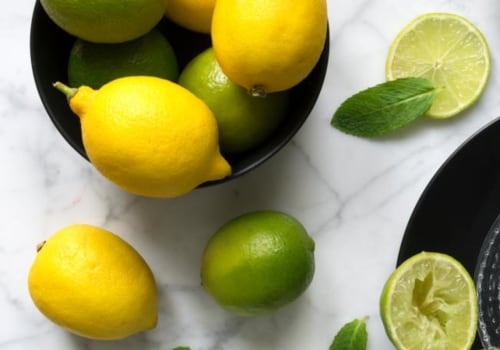
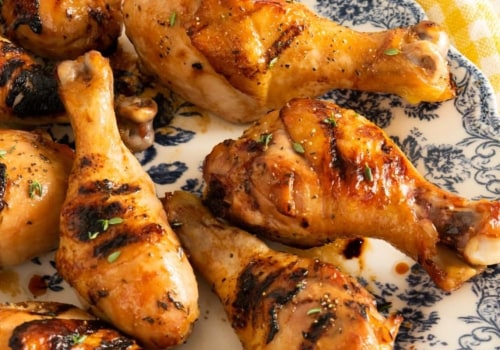
- Garlic and Herb Chicken Marinade: Mix 4 cloves of minced garlic with 1/4 cup olive oil, juice of one lemon, 2 tablespoons chopped fresh rosemary, and salt and pepper to taste.
Marinate chicken for at least an hour before grilling or baking.
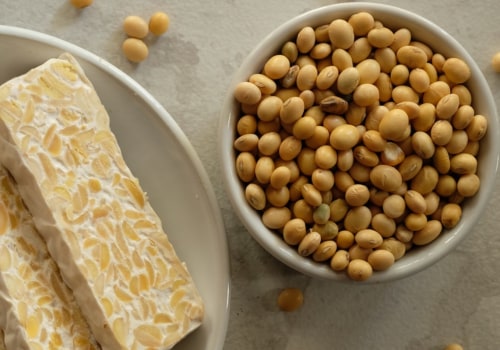
- Garlic Soy Marinade for Tofu: Combine 3 cloves minced garlic, 1/4 cup soy sauce, 2 tablespoons sesame oil, and a teaspoon of ginger. Marinate tofu for at least 30 minutes before stir-frying.
- Soften 1/2 cup of unsalted butter at room temperature.
- Add 4 cloves of minced garlic and mix well.
- Stir in chopped parsley and a pinch of salt.
- Use it as a topping for grilled meats or toss it with hot pasta for a quick meal.
Roasted garlic can be spread on bread or incorporated into mashed potatoes for an indulgent twist. To roast garlic:
- Preheat your oven to 200°C (400°F).
- Slice the top off a whole bulb of garlic to expose the cloves.
- Drizzle with olive oil and wrap in foil.
- Bake for about 30-35 minutes until soft and caramelised.
Health Benefits of Garlic
Garlic is not only a culinary delight but also a powerhouse of health benefits, making it a valuable addition to any diet.Its medicinal properties have been recognised for centuries, and modern science continues to uncover the numerous ways garlic can enhance our well-being.
Nutritional Profile of Garlic
- Garlic is low in calories yet rich in essential nutrients. A single clove contains:
- Calories: 4
- Carbohydrates: 1 gram
- Protein: 0.2 grams
- Vitamin C: 1% of the Daily Value (DV)
- Vitamin B6: 2% of the DV
- Manganese: 1% of the DV
- Selenium: 1% of the DV
Health Benefits of Garlic
- Cardiovascular Health: Regular consumption of garlic has been linked to improved heart health. Studies suggest that garlic can help lower blood pressure, reduce cholesterol levels, and improve overall cardiovascular function. The active compound allicin, released when garlic is crushed or chopped, is primarily responsible for these benefits.
- Immune System Support: Garlic is known for its immune-boosting properties.
It enhances the function of immune cells and may help reduce the severity and duration of colds and other infections.
- Anti-Inflammatory Effects: The anti-inflammatory properties of garlic can help alleviate conditions such as arthritis and other inflammatory diseases. Its ability to reduce inflammation is attributed to its high antioxidant content.
- Cancer Prevention: Some studies indicate that garlic consumption may be associated with a reduced risk of certain cancers, particularly stomach and colorectal cancers. The compounds in garlic may inhibit cancer cell growth and promote apoptosis (cell death) in malignant cells.
- Antimicrobial Properties: Garlic has been shown to possess antimicrobial effects against various bacteria, viruses, and fungi. This makes it a natural remedy for infections and a potential alternative to conventional antibiotics.
Incorporating garlic into your meals not only adds flavour but also provides significant nutritional advantages that can contribute to long-term wellness.
Garlic Varieties and Their Unique Characteristics
Garlic is not just a single entity; it encompasses a variety of types, each with its own unique characteristics, flavours, and culinary applications. Understanding the differences between these varieties can significantly enhance your cooking experience and help you select the best garlic for your dishes.Types of Garlic
- Hardneck Garlic: This variety is known for its robust flavour and is often preferred by chefs for its complex taste. Hardneck garlic produces a flower stalk, or scape, which can also be used in cooking. Varieties such as Rocambole and Purple Stripe fall under this category, offering a rich, spicy flavour that works well in roasted dishes.
- Softneck Garlic: Softneck garlic is the most common type found in supermarkets.
It has a milder flavour and a longer shelf life compared to hardneck varieties. The Silverskin and Artichoke types are popular softneck options, ideal for braiding and storing. They are perfect for everyday cooking due to their versatility.
- Elephant Garlic: Despite its name, elephant garlic is more closely related to leeks than true garlic. It has a mild flavour and large cloves, making it suitable for those who prefer a less pungent taste.
Elephant garlic is excellent for roasting or using in dishes where a subtle garlic essence is desired.
- Black Garlic: This unique variety is made by fermenting whole bulbs of garlic at a controlled temperature and humidity. The result is a sweet, umami-rich product with a soft texture. Black garlic can be used in sauces, dressings, or as a spread, adding depth to various dishes.
Choosing the Best Garlic for Cooking
The choice of garlic can greatly influence the outcome of your dish. For instance, if you are preparing a hearty stew or sauce that requires long cooking times, hardneck garlic may be the best option due to its strong flavour profile that holds up well under heat.Conversely, if you are making a fresh salad dressing or dipping sauce, softneck garlic's milder taste might be more appropriate.When selecting garlic at the market, look for firm bulbs with tight skin and no signs of sprouting or mould. Freshness is key to achieving the best flavour in your cooking.In summary, understanding the various types of garlic available allows you to make informed choices that enhance your culinary creations. Whether you opt for the boldness of hardneck varieties or the subtlety of softneck options, each type brings its own unique qualities to your kitchen.
Incorporating Garlic into Your Diet
Incorporating garlic into your daily meals can be both enjoyable and beneficial for your health. Here are some practical tips and recipe ideas to help you eat more garlic while enhancing the flavour of your dishes.How to Eat More Garlic
One of the simplest ways to increase your garlic intake is to add it to your regular cooking routine.Here are a few suggestions:
- Roast it: Roasting garlic mellows its flavour and adds a sweet, nutty taste. Simply cut the top off a whole bulb, drizzle with olive oil, wrap in foil, and roast at 200°C (400°F) for about 30-40 minutes. Spread the soft cloves on bread or mix into mashed potatoes.
- Add to sauces: Incorporate minced or crushed garlic into pasta sauces, stir-fries, or soups. It can elevate the overall taste and provide a health boost.
- Use in dressings: Whisk minced garlic into salad dressings for an extra kick.
Combine it with olive oil, vinegar, and herbs for a delicious vinaigrette.
Recipe Ideas Featuring Garlic
Here are some delightful recipes that showcase garlic:- Garlic Butter Shrimp: Sauté shrimp in a mixture of butter, minced garlic, and parsley for a quick and flavourful dish. Serve over pasta or rice.
- Garlic Mashed Potatoes: Boil potatoes until tender, then mash with roasted garlic, butter, cream, and seasoning for a creamy side dish.
- Garlic and Herb Roasted Vegetables: Toss your favourite vegetables with olive oil, minced garlic, and herbs before roasting them in the oven until golden brown.
Cooking Tips for Maximising Garlic's Flavour
To get the most out of garlic in your cooking, consider these tips:- Fresh is best: Always opt for fresh garlic over pre-minced varieties. Fresh cloves have a more potent flavour and higher health benefits.
- Timing matters: Add garlic towards the end of cooking to preserve its flavour and health properties. If you cook it too long, it can become bitter.
- Mince or crush: Crushing or mincing garlic releases more of its beneficial compounds compared to leaving it whole.
Use a knife or a garlic press for best results.
Common Myths and Misconceptions About Garlic
Garlic has long been celebrated for its culinary and medicinal properties, yet it is also surrounded by a number of myths and misconceptions that can cloud our understanding of this remarkable ingredient. By addressing these myths, we can make more informed choices about how to incorporate garlic into our diets.Myth 1: Garlic is Only Beneficial When Eaten Raw
One prevalent belief is that raw garlic is significantly more beneficial than cooked garlic. While it is true that raw garlic contains higher levels of allicin, the compound responsible for many of its health benefits, cooking garlic does not completely diminish its nutritional value. In fact, cooking can enhance certain flavours and make garlic easier to digest for some individuals.Lightly sautéing or roasting garlic can still provide health benefits while adding a delicious depth of flavour to dishes.
Myth 2: Garlic Can Cure All Illnesses
Another common misconception is that garlic can act as a cure-all for various ailments. While garlic does possess numerous health benefits, including antimicrobial and anti-inflammatory properties, it should not be viewed as a substitute for professional medical treatment. It can be a valuable addition to a healthy diet but should be used in conjunction with other treatments as advised by healthcare professionals.Myth 3: Garlic Causes Bad Breath and Body Odour
Many people avoid garlic due to the belief that it will lead to unpleasant breath or body odour. While it is true that garlic can contribute to these issues, the extent varies from person to person.Proper oral hygiene and consuming parsley or mint after eating garlic can help mitigate these effects. Additionally, the health benefits of garlic often outweigh the temporary inconvenience of its strong aroma.
Myth 4: All Garlic Varieties Are the Same
Not all garlic is created equal. There are several varieties of garlic, each with its own unique flavour profile and culinary uses. For instance, hardneck garlic tends to have a stronger flavour and is often preferred for roasting, while softneck varieties are milder and more commonly found in supermarkets.Understanding these differences can enhance your cooking experience.
Conclusion
By debunking these common myths about garlic, we can appreciate its true value as both a culinary ingredient and a health ally. Whether you prefer it raw or cooked, incorporating garlic into your meals can offer numerous benefits while adding flavour and depth to your dishes.Conclusion: The Versatility and Importance of Garlic
In summary, garlic stands out as a remarkable ingredient that transcends mere culinary use. Its rich history, spanning thousands of years, showcases its significance not only in kitchens around the globe but also in traditional medicine. The multifaceted nature of garlic allows it to enhance the flavour profile of countless dishes while simultaneously offering a plethora of health benefits.Throughout this article, we have explored various aspects of garlic, from its historical roots to its diverse applications in cooking and health.Here are some key takeaways:
- Historical Significance: Garlic has been revered since ancient times, with its use documented in various cultures for both culinary and medicinal purposes.
- Culinary Versatility: Whether used raw, roasted, or as a powder, garlic can elevate the taste of any dish. Its ability to blend seamlessly with other ingredients makes it a staple in marinades, sauces, and dressings.
- Health Benefits: The numerous health advantages associated with garlic consumption are well-documented. From boosting the immune system to reducing cholesterol levels and lowering blood pressure, garlic is a powerhouse of nutrition.
- Antioxidant Properties: Garlic contains potent antioxidants that help combat oxidative stress in the body, contributing to overall health and well-being.
By incorporating garlic into your daily diet, you not only enhance the taste of your food but also invest in your health.Incorporating garlic into your meals can be as simple as adding minced cloves to your favourite stir-fry or using it as a base for sauces and soups. The possibilities are endless, and the rewards are plentiful. Embrace the versatility of garlic and enjoy its myriad benefits for both your palate and your health.