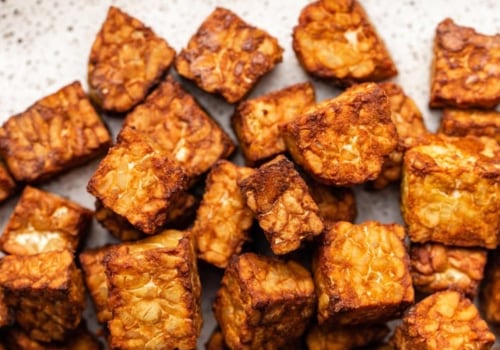
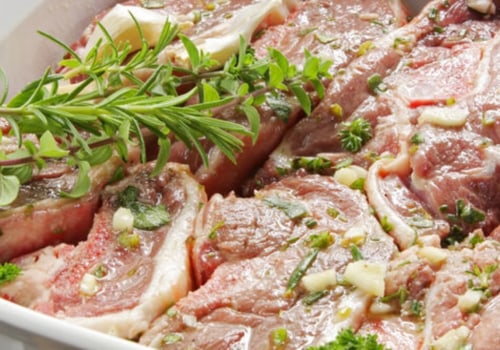
Asian marinades are a vibrant and essential component of culinary traditions across the continent, offering a rich tapestry of flavours that can elevate any dish. These marinades are not just about taste; they embody a cultural significance that reflects the diverse ingredients and cooking techniques found in Asian cuisines. From the sweet and tangy notes of teriyaki to the spicy kick of Korean barbecue, each marinade tells a story and enhances the natural flavours of the ingredients it accompanies. As we delve into the world of Asian marinades, we will discover how they can transform simple meals into extraordinary culinary experiences.One ingredient that pairs exceptionally well with these marinades is tempeh, a traditional Indonesian soy product that has gained popularity worldwide for its unique texture and nutritional benefits.
Unlike tofu, which is made from soy milk, tempeh is fermented whole soybeans, resulting in a firm, nutty product that is rich in protein, fibre, and essential nutrients. This fermentation process not only enhances its digestibility but also imparts a distinctive flavour that complements the bold profiles of Asian marinades beautifully.Cooking with tempeh opens up a myriad of possibilities, especially when marinated in Asian sauces. The porous nature of tempeh allows it to absorb flavours deeply, making it an ideal canvas for various marinades. Whether you’re grilling, stir-frying, or baking, marinating tempeh can infuse it with layers of taste that enhance its natural umami qualities.
As we explore different types of Asian marinades in this article, we will uncover how to effectively use tempeh to create delicious and satisfying meals that cater to both plant-based diets and meat lovers alike.
The Role of Tempeh in Asian Cuisine
Tempeh, a traditional Indonesian food, has gained popularity across the globe, particularly in Asian cuisine. Originating from the fermentation of soybeans, tempeh is not only a staple in Indonesian households but also a versatile ingredient that can be incorporated into various dishes. The fermentation process not only enhances its nutritional profile but also contributes to its unique flavour and texture, making it an excellent meat substitute for vegetarians and vegans.One of the most significant benefits of tempeh is its impressive nutritional content. Rich in protein, it contains all nine essential amino acids, making it a complete protein source.Additionally, tempeh is high in dietary fibre, which aids digestion and promotes gut health. It also provides essential vitamins and minerals such as calcium, iron, and magnesium. The fermentation process increases the bioavailability of these nutrients, allowing for better absorption by the body.In Asian cuisine, tempeh can be prepared in numerous ways, showcasing its adaptability. It can be grilled, stir-fried, or even used in soups and salads.
One popular method of enhancing tempeh's flavour is through marinades. By marinating tempeh in a variety of Asian-inspired sauces—such as soy sauce, ginger, garlic, and sesame oil—cooks can infuse it with rich flavours that complement a wide range of dishes.Here are a few delicious tempeh recipes that highlight its versatility:
- Tempeh Stir-Fry: Marinate cubed tempeh in soy sauce and ginger before stir-frying with seasonal vegetables for a quick and nutritious meal.
- Grilled Tempeh Skewers: Thread marinated tempeh onto skewers with bell peppers and onions, then grill until charred for a smoky flavour.
- Tempeh Tacos: Crumble marinated tempeh and sauté it with spices to create a hearty filling for tacos topped with fresh salsa.
Understanding Asian Marinades: Key Ingredients
Asian marinades are renowned for their ability to infuse dishes with rich, complex flavours.The secret to their success lies in the carefully selected ingredients that create a harmonious balance of taste and aroma. Understanding these key components is essential for anyone looking to master the art of Asian marinades.
- Soy Sauce: This is perhaps the most iconic ingredient in Asian marinades. Made from fermented soybeans, soy sauce adds a deep umami flavour that enhances the overall taste of the dish. It serves as a base for many marinades, providing both saltiness and depth.
Low-sodium versions are available for those who prefer a lighter touch.
- Sesame Oil: Known for its nutty aroma, sesame oil is often used in Asian cooking to add richness and complexity. It can be found in both toasted and un-toasted varieties, with the toasted version offering a more intense flavour. A few drops can elevate a marinade, giving it a distinctive character.
- Ginger: Fresh ginger brings a zesty warmth to marinades. Its sharpness cuts through richer flavours, making it an excellent counterbalance in heavier dishes.
Ginger also has health benefits, including anti-inflammatory properties, making it a popular choice in many Asian cuisines.
- Garlic: Another staple ingredient, garlic adds a pungent kick that enhances the overall flavour profile of marinades. Its versatility allows it to complement both meat and vegetable dishes effectively. When using garlic, fresh cloves are preferred for their robust flavour compared to powdered forms.
- Chili Peppers: For those who enjoy heat, chili peppers are an essential addition to many Asian marinades. They can range from mild to fiery, depending on the type used.
Incorporating fresh or dried chilies can add not only heat but also vibrant colour to your marinade.
- Sugar or Honey: Sweetness is often needed to balance out the saltiness of soy sauce and the heat from chilies. Sugar or honey can be added to create a well-rounded flavour profile. This sweetness caramelises during cooking, adding an appealing glaze to grilled or roasted dishes.
- Vinegar or Citrus Juice: Acidity is crucial in marinades as it helps tenderise proteins while adding brightness to the overall flavour. Rice vinegar is commonly used in Asian marinades, but lime or lemon juice can also provide a refreshing tang.
Whether you’re marinating tempeh, chicken, or vegetables, these components will help you achieve delicious results that reflect the rich culinary traditions of Asia.
Types of Asian Marinades: A Closer Look
Asian marinades are a delightful way to infuse your dishes with rich and diverse flavours. Each type of marinade brings its own unique characteristics, making them suitable for various ingredients and cooking methods. Below, we explore some of the most popular types of Asian marinades, including teriyaki, Korean barbecue, and Thai curry marinades.Teriyaki Marinade
Originating from Japan, teriyaki marinade is renowned for its sweet and savoury profile. The primary ingredients typically include soy sauce, mirin (a sweet rice wine), sake, garlic, and ginger.This combination creates a well-balanced flavour that enhances meats, particularly chicken and beef.To prepare a teriyaki marinade, combine:
- 1/2 cup soy sauce
- 1/4 cup mirin
- 1/4 cup sake
- 2 tablespoons sugar
- 2 cloves garlic, minced
- 1 tablespoon fresh ginger, grated
Korean Barbecue Marinade
Korean barbecue marinade is celebrated for its bold flavours and is often used to marinate meats like beef short ribs or pork belly. The key ingredients include soy sauce, sesame oil, garlic, ginger, sugar, and gochujang (Korean chili paste), which adds a spicy kick.A typical recipe might include:- 1/2 cup soy sauce
- 2 tablespoons sesame oil
- 3 cloves garlic, minced
- 1 tablespoon fresh ginger, grated
- 2 tablespoons sugar
- 2 tablespoons gochujang
Thai Curry Marinade
The Thai curry marinade offers a vibrant and aromatic option that can elevate chicken, fish, or even vegetables. This marinade typically features coconut milk, red curry paste, lemongrass, garlic, ginger, fish sauce (nam pla), lime juice, and fresh herbs like cilantro.A simple recipe includes:- 1 cup coconut milk
- 2 tablespoons red curry paste
- 1 stalk lemongrass, finely chopped
- 2 cloves garlic, minced
- 1 tablespoon fresh ginger, grated
- 2 tablespoons fish sauce
- Juice of 1 lime
- Cilantro leaves for garnish
It works wonderfully in stir-fries or as a base for grilled dishes.In summary, each type of Asian marinade offers distinct flavours that can transform your cooking. Whether you prefer the sweetness of teriyaki, the boldness of Korean barbecue, or the aromatic qualities of Thai curry, these marinades are versatile tools in any kitchen.
Crafting the Perfect Marinade for Tempeh
Tempeh, a fermented soybean product, is a fantastic canvas for marinades due to its firm texture and ability to absorb flavours. Crafting the perfect marinade for tempeh not only enhances its taste but also elevates your dishes to new heights. Here’s a comprehensive guide on how to marinate tempeh effectively, along with some delicious marinade recipes.How to Marinate Tempeh
- Preparation: Start by slicing the tempeh into your desired shape—whether cubes, strips, or slabs.
Thinner pieces will absorb the marinade more effectively.
- Steaming (Optional): For an even better flavour absorption, consider steaming the tempeh for about 10 minutes before marinating. This step helps to open up its pores, allowing the marinade to penetrate deeper.
- Mixing the Marinade: In a bowl, combine your chosen marinade ingredients. Common components include soy sauce, sesame oil, garlic, ginger, and a sweetener like maple syrup or brown sugar. Feel free to experiment with spices and herbs that suit your palate.
- Marinating: Place the sliced tempeh in a shallow dish or a resealable plastic bag.
Pour the marinade over the tempeh, ensuring all pieces are well-coated. Seal the bag or cover the dish and refrigerate for at least 30 minutes; however, for optimal flavour, marinate for several hours or overnight.
- Cooking: After marinating, cook the tempeh using your preferred method—grilling, baking, or sautéing. The cooking process will caramelise the sugars in the marinade and enhance the overall flavour.
Best Marinades for Tempeh
- Soy-Ginger Marinade: Combine soy sauce, fresh ginger, garlic, and a splash of rice vinegar for a classic Asian-inspired flavour.
- Spicy Peanut Marinade: Mix peanut butter with soy sauce, lime juice, garlic, and sriracha for a creamy and spicy kick.
- Curry Coconut Marinade: Blend coconut milk with curry powder, lime juice, and garlic for a rich and aromatic experience.
- Balsamic Glaze Marinade: Use balsamic vinegar mixed with olive oil, honey, and rosemary for a sweet and tangy option.
Marinating Techniques: Best Practices
Marinating is an essential technique in cooking that enhances the flavour and texture of various ingredients, particularly proteins like tempeh.To achieve the best results, it’s important to understand the nuances of marinating, including timing, temperature control, and methods for maximising flavour absorption.
Timing: How Long to Marinate
The duration of marination can significantly impact the final taste and texture of your dish. For tempeh, a dense protein made from fermented soybeans, it is advisable to marinate for at least 30 minutes to allow the flavours to penetrate adequately. However, for optimal results, marinating for 2 to 24 hours is recommended. This extended time allows the marinade to fully infuse into the tempeh, enhancing its natural umami flavour.Temperature Control
Temperature plays a crucial role in the marinating process.Always marinate tempeh in the refrigerator to prevent bacterial growth. The cold environment slows down enzymatic reactions that could spoil the food while allowing the marinade to work its magic. If you’re short on time and need a quick marinade, consider using a warm marinade. Gently heating your marinade before adding it to the tempeh can help open up its pores, allowing for quicker absorption.
Just ensure that you let it cool slightly before pouring it over the tempeh.
Maximising Flavour Absorption
To maximise flavour absorption in tempeh, consider these tips:- Cutting: Slice or cube the tempeh before marinating. Smaller pieces have a greater surface area, allowing more marinade to penetrate.
- Piercing: Use a fork or knife to poke holes in the tempeh. This technique creates channels for the marinade to seep into.
- Using Acid: Incorporate acidic ingredients like vinegar or citrus juice in your marinade. Acids help break down proteins and enhance flavour absorption.
- Avoid Over-Marinating: While longer marination times are beneficial, be cautious not to exceed 24 hours as this can lead to an overly salty or mushy texture.
Cooking with Marinated Tempeh: Recipe Ideas
Marinated tempeh is a versatile ingredient that can elevate a variety of dishes, from stir-fries to salads and grilled meals.Its unique texture and ability to absorb flavours make it an excellent choice for those looking to incorporate plant-based protein into their diet. Here are some delicious recipe ideas that showcase the culinary potential of marinated tempeh.
Stir-Fried Marinated Tempeh
A quick and easy way to enjoy marinated tempeh is by stir-frying it with your favourite vegetables. Start by cutting the tempeh into bite-sized cubes and marinating it in a mixture of soy sauce, garlic, ginger, and sesame oil for at least 30 minutes. In a hot wok or frying pan, add a splash of oil and toss in your choice of vegetables such as bell peppers, broccoli, and snap peas.Once the vegetables are tender-crisp, add the marinated tempeh and stir-fry for an additional 5-7 minutes until everything is heated through. Serve over steamed rice or noodles for a satisfying meal.
Grilled Tempeh Skewers
Grilling marinated tempeh adds a smoky flavour that complements its nutty taste. Cut the tempeh into thick slices or cubes and marinate in a mixture of teriyaki sauce, lime juice, and garlic for at least an hour. Thread the marinated tempeh onto skewers along with vegetables like zucchini, cherry tomatoes, and red onion.Grill over medium heat for about 10-15 minutes, turning occasionally until the tempeh is golden brown and slightly charred. These skewers make for a fantastic summer barbecue dish.
Tempeh Salad Bowl
For a refreshing meal option, consider creating a tempeh salad bowl. Start by marinating the tempeh in a zesty dressing made from olive oil, lemon juice, Dijon mustard, and herbs like parsley or cilantro. After marinating for at least 30 minutes, pan-fry or bake the tempeh until crispy.Assemble your salad with mixed greens, sliced cucumbers, cherry tomatoes, avocado, and any other desired toppings. Add the crispy tempeh on top and drizzle with extra dressing for a nutritious and filling meal.
Tempeh Tacos
Transform your taco night by using marinated tempeh as the filling. Crumble the tempeh into small pieces and marinate it in a blend of taco seasoning, lime juice, and chipotle sauce for added heat. Sauté the crumbled tempeh in a skillet until browned and heated through.Serve in warm corn tortillas with toppings such as diced onions, fresh cilantro, avocado slices, and salsa for a delightful twist on traditional tacos.These recipes highlight just how adaptable marinated tempeh can be in various cuisines. Whether you’re preparing a quick weeknight dinner or hosting friends for a weekend barbecue, incorporating marinated tempeh into your meals will not only enhance flavour but also provide a healthy source of protein.
Frequently Asked Questions about Tempeh and Marinades
As tempeh gains popularity in various culinary circles, many people have questions about how to best use it, especially in conjunction with marinades. Below are some frequently asked questions that can help clarify common misconceptions and provide valuable insights into cooking with tempeh and marinades.What is tempeh and how is it made?
Tempeh is a traditional Indonesian food made from fermented soybeans. The process involves soaking, cooking, and then fermenting the soybeans with a specific culture called Rhizopus oligosporus.This fermentation process not only enhances the nutritional profile of the soybeans but also gives tempeh its unique nutty flavour and firm texture. Unlike tofu, which is made from soy milk, tempeh retains the whole soybean, making it a rich source of protein, fibre, and various vitamins.
How should I prepare tempeh before marinating?
Before marinating tempeh, it’s advisable to steam or boil it for about 10 minutes. This step helps to soften the texture and allows the marinade to penetrate more effectively. After steaming, you can slice or cube the tempeh according to your recipe requirements.This preparation not only enhances flavour absorption but also improves digestibility.
What types of marinades work best with tempeh?
Tempeh is incredibly versatile and can be paired with a variety of marinades. Some popular options include:- Soy-based marinades: These often include soy sauce, garlic, ginger, and sesame oil for an Asian-inspired flavour.
- Citrus marinades: Marinades featuring lime or lemon juice can add a refreshing zing that complements the nuttiness of tempeh.
- Spicy marinades: Incorporating ingredients like sriracha or chili paste can give your tempeh a delightful kick.
- Sweet marinades: Honey or maple syrup can balance out savoury flavours and create a delicious glaze when cooked.
How long should I marinate tempeh?
The ideal marinating time for tempeh varies depending on the marinade's strength and your personal taste preferences. Generally, marinating for at least 30 minutes will impart good flavour; however, for deeper penetration of flavours, marinating for 2-4 hours or even overnight in the refrigerator is recommended.Can I use leftover marinade?
While it may be tempting to reuse marinade after marinating tempeh, it's important to note that any marinade that has come into contact with raw ingredients should not be reused without proper cooking. If you wish to use leftover marinade as a sauce, make sure to bring it to a boil first to eliminate any harmful bacteria.By understanding these aspects of cooking with tempeh and marinades, you can elevate your culinary creations while enjoying the health benefits that tempeh offers.Experimenting with different flavours will not only enhance your dishes but also expand your palate!
Conclusion: Embracing the Flavours of Asian Marinades with Tempeh
As we conclude our exploration of Asian marinades, it becomes clear that these vibrant and diverse flavour profiles can transform not only traditional dishes but also plant-based options like tempeh. The versatility of Asian marinades allows for a delightful fusion of tastes that can elevate any meal, making them an essential addition to your culinary repertoire.Throughout this article, we have delved into various types of Asian marinades, including teriyaki, Korean barbecue, Chinese black bean, and Thai curry. Each marinade brings its own unique characteristics and can be tailored to suit individual preferences. The common thread among these marinades is their ability to enhance the natural flavours of the ingredients they accompany.Tempeh, a fermented soy product rich in protein and nutrients, serves as an excellent canvas for these marinades.Its firm texture and nutty flavour allow it to absorb the bold tastes of Asian marinades effectively. By marinating tempeh, you not only infuse it with exciting flavours but also create a satisfying dish that can appeal to both vegetarians and meat-eaters alike.To fully embrace the flavours of Asian marinades with tempeh, consider the following tips:
- Experiment with Marinade Combinations: Don’t hesitate to mix and match different marinades or even create your own unique blend. The possibilities are endless!
- Marinate for Optimal Flavour: Allow your tempeh to marinate for at least 30 minutes, or even overnight, to ensure maximum flavour absorption.
- Cooking Methods: Try grilling, baking, or stir-frying marinated tempeh to discover which method best complements the marinade you’ve chosen.
So why not take the plunge? Embrace the rich flavours of Asian cuisine and let tempeh shine in your kitchen!.