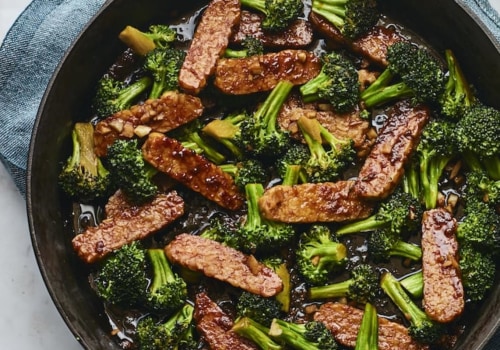
Tempeh is a remarkable food that has its roots in Indonesia, where it has been a staple for centuries. Made from fermented soybeans, tempeh undergoes a unique fermentation process that not only enhances its nutritional profile but also gives it a distinctive nutty flavour and firm texture. Unlike tofu, which is made from soy milk, tempeh retains the whole soybean, making it a more nutrient-dense option. This traditional food is gaining popularity worldwide, particularly among those seeking plant-based protein sources.The benefits of tempeh extend far beyond its taste.
It is an excellent source of protein, containing all nine essential amino acids, making it a complete protein source for vegans and vegetarians. Additionally, tempeh is rich in dietary fibre, which aids digestion and promotes gut health. The fermentation process also increases the bioavailability of nutrients, allowing for better absorption of vitamins and minerals. This means that consuming tempeh can contribute to overall health and well-being.In terms of nutrition, tempeh is packed with essential vitamins and minerals.
A typical serving provides significant amounts of iron, calcium, magnesium, phosphorus, and B vitamins such as riboflavin and niacin. These nutrients play vital roles in various bodily functions, including energy production, bone health, and immune support. Furthermore, the low carbohydrate content makes tempeh an ideal choice for those following low-carb or ketogenic diets.As we delve deeper into the world of baked tempeh strips, it becomes clear that this versatile ingredient not only serves as a delicious snack but also offers a wealth of health benefits. Understanding the origins and nutritional advantages of tempeh sets the stage for exploring how to incorporate it into your diet in creative and enjoyable ways.
The Health Benefits of Tempeh
Tempeh is not just a versatile ingredient; it is also a powerhouse of nutrition that offers numerous health benefits.As a fermented soybean product, tempeh is rich in protein, making it an excellent choice for those looking to increase their protein intake, especially in plant-based diets.
High Protein Content
One of the standout features of tempeh is its impressive protein content. A typical serving of tempeh (about 100 grams) contains approximately 19 grams of protein. This makes it an ideal option for vegetarians and vegans who may struggle to meet their protein needs. The protein in tempeh is also considered a complete protein, meaning it contains all nine essential amino acids that the body cannot produce on its own.
Rich in Vitamins and Minerals
Tempeh is packed with essential vitamins and minerals that contribute to overall health:
- Iron: Important for the production of red blood cells, iron helps transport oxygen throughout the body.
Consuming tempeh can help prevent iron deficiency, particularly in individuals who do not consume meat.
- Zinc: This mineral plays a crucial role in immune function, wound healing, and DNA synthesis. Adequate zinc intake is vital for maintaining a healthy immune system.
- Magnesium: Known for its role in muscle and nerve function, magnesium also helps regulate blood sugar levels and supports bone health.
- Phosphorus: Essential for energy production and cell growth, phosphorus works closely with calcium to build strong bones and teeth.
- B Vitamins: Tempeh contains several B vitamins, including B2 (riboflavin), B3 (niacin), and B6 (pyridoxine), which are important for energy metabolism and maintaining healthy skin and nerves.
Digestive Health
The fermentation process used to create tempeh not only enhances its nutritional profile but also promotes gut health. Tempeh contains probiotics, which are beneficial bacteria that support a healthy digestive system. These probiotics can help improve gut flora balance, aid digestion, and may even enhance nutrient absorption.
Heart Health
Incorporating tempeh into your diet can also benefit heart health.
The low saturated fat content combined with high levels of unsaturated fats can help lower cholesterol levels. Additionally, the presence of antioxidants in tempeh may reduce inflammation and lower the risk of heart disease.In summary, eating tempeh provides a multitude of health benefits due to its high protein content, rich array of vitamins and minerals, and positive effects on digestive and heart health. By including tempeh in your diet, you can enjoy a delicious snack while nourishing your body with essential nutrients.
How to Prepare Tempeh Strips
Preparing tempeh strips is a straightforward process that can significantly enhance their flavour and texture. Whether you prefer them crispy, chewy, or infused with rich marinades, understanding the various cooking methods will allow you to enjoy tempeh to its fullest potential.Baking Tempeh Strips
Baking is one of the healthiest ways to prepare tempeh strips, as it requires minimal oil while still achieving a delightful crispiness.Here’s how to do it:
- Preheat your oven: Set your oven to 190°C (375°F).
- Slice the tempeh: Cut the tempeh into thin strips, about 1 cm thick. This thickness allows for even cooking and better absorption of flavours.
- Marinate (optional): For added flavour, marinate the strips in a mixture of soy sauce, garlic, and your choice of spices for at least 30 minutes.
- Arrange on a baking tray: Place the marinated tempeh strips on a lined baking tray, ensuring they are spaced apart for even cooking.
- Bake: Cook in the preheated oven for 20-25 minutes, flipping halfway through to ensure both sides are golden brown.
Frying Tempeh Strips
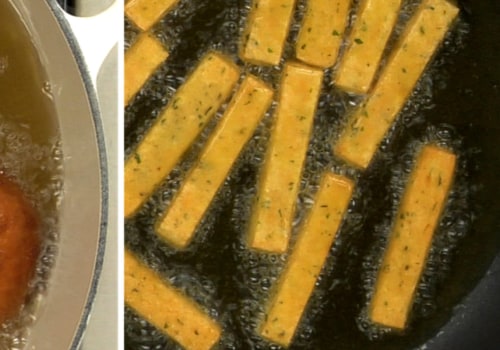
If you’re looking for a quick and crispy option, frying is an excellent choice. Here’s how to fry tempeh strips:- Heat oil: In a frying pan, heat a couple of tablespoons of oil over medium heat.
- Add the tempeh: Once the oil is hot, add the tempeh strips in a single layer. Avoid overcrowding the pan to ensure they fry evenly.
- Cook until golden: Fry for about 3-4 minutes on each side or until they are golden brown and crispy.
- Drain excess oil: Remove the fried tempeh from the pan and place it on paper towels to absorb any excess oil.
Marinating Tempeh Strips
Marinating is crucial for infusing flavour into tempeh.Here’s a simple method:
- Select your marinade: Choose a marinade that complements your dish. Popular options include teriyaki sauce, BBQ sauce, or a simple mix of olive oil, lemon juice, and herbs.
- Combine ingredients: In a bowl, mix your marinade ingredients thoroughly.
- Add tempeh strips: Place the sliced tempeh into the marinade, ensuring each piece is well-coated.
- Let it soak: Allow the tempeh to marinate for at least 30 minutes; longer if possible (up to overnight) for deeper flavour absorption.
Tempeh Strips as a Versatile Snack Option
Baked tempeh strips are not just a nutritious snack; they are incredibly versatile, making them an excellent choice for various occasions. Whether you’re looking for a quick bite, a party appetizer, or a protein-packed addition to your meals, tempeh strips can fit the bill.One of the most appealing aspects of tempeh strips is their adaptability.They can be enjoyed in numerous ways:
- As a Standalone Snack: Simply bake or pan-fry tempeh strips seasoned with your favourite spices for a crunchy, satisfying snack. Pair them with dips like hummus, guacamole, or a spicy salsa for added flavour.
- In Salads: Add baked tempeh strips to salads for an extra protein boost. Their chewy texture complements fresh greens, cherry tomatoes, and avocado beautifully. A drizzle of balsamic vinaigrette or tahini dressing can elevate the dish even further.
- In Wraps and Sandwiches: Use tempeh strips as a filling in wraps or sandwiches.
Layer them with fresh vegetables, spreads like vegan mayo or mustard, and your choice of greens for a hearty meal on the go.
- As Appetizers: Serve tempeh strips as finger food at gatherings. You can marinate them in various sauces—such as teriyaki or barbecue—before baking to create flavourful bites that guests will love.
- Asian-Inspired: Marinate in soy sauce, ginger, and garlic for an umami-rich snack.
- Mexican Flavours: Use lime juice, cumin, and chili powder for a zesty kick.
- Mediterranean Twist: Combine olive oil, lemon juice, and herbs like oregano or thyme for a refreshing taste.
So next time you’re in need of a healthy snack option or meal component, consider reaching for some baked tempeh strips!
Frequently Asked Questions About Tempeh
Tempeh is a versatile and nutritious food that has gained popularity in recent years, particularly among those seeking plant-based protein sources. However, many people still have questions about this unique ingredient. Below, we address some of the most common queries regarding tempeh.Is tempeh healthy?
Absolutely! Tempeh is considered a nutritional powerhouse. It is rich in protein, containing about 19 grams per 100 grams, making it an excellent choice for vegans and vegetarians looking to meet their protein needs.Additionally, tempeh is low in carbohydrates and high in dietary fibre, which can aid digestion and promote a feeling of fullness.Moreover, tempeh is packed with essential vitamins and minerals, including:
- Iron: Important for red blood cell production and oxygen transport.
- Zinc: Supports immune function and helps with wound healing.
- Magnesium: Aids in muscle function and energy production.
- Phosphorus: Essential for bone health and energy metabolism.
- B Vitamins: Vital for energy levels and maintaining a healthy nervous system.
How does tempeh differ from tofu?
While both tempeh and tofu are made from soybeans, they differ significantly in their production processes and nutritional profiles. Tofu is made by coagulating soy milk, while tempeh is produced through fermentation of whole soybeans. This fermentation process not only enhances the flavour but also increases the bioavailability of nutrients, making them easier for the body to absorb.Furthermore, tempeh has a firmer texture and a nuttier taste compared to tofu, which can be quite bland. This makes tempeh an excellent option for those looking to add more flavour to their dishes.Can I eat tempeh if I have a soy allergy?
If you have a soy allergy, it is advisable to avoid tempeh as it is made entirely from soybeans.There are alternative protein sources available that do not contain soy, such as seitan (made from wheat gluten), legumes, or chickpeas.
How should I store tempeh?
Tempeh should be stored in the refrigerator if it is fresh. It typically comes vacuum-sealed; once opened, it should be consumed within a week. If you want to extend its shelf life, you can freeze tempeh for up to three months. Just ensure it is well-wrapped to prevent freezer burn.By addressing these common questions about tempeh, we hope to encourage more people to incorporate this nutritious food into their diets confidently!Conclusion: Embracing Tempeh in Your Diet
In summary, tempeh is not just a versatile ingredient; it is a powerhouse of nutrition that can significantly enhance your diet.With its rich protein content, low carbohydrate levels, and abundance of essential vitamins and minerals, tempeh strips offer a myriad of health benefits. From promoting bone health to aiding digestion and boosting immunity, incorporating tempeh into your meals can lead to a healthier lifestyle.As we have explored, the preparation methods for tempeh are diverse and adaptable. Whether you choose to bake, fry, or grill, the possibilities are endless. Baked tempeh strips, in particular, provide a delightful crunch and can be seasoned in countless ways to suit your palate.
This adaptability makes tempeh an excellent choice for various dishes—from salads and wraps to hearty main courses.To fully embrace the benefits of tempeh in your diet, consider the following tips:
- Experiment with Marinades: Tempeh absorbs flavours beautifully. Try marinating it in different sauces such as teriyaki, barbecue, or even a spicy chili mix to discover your favourite combinations.
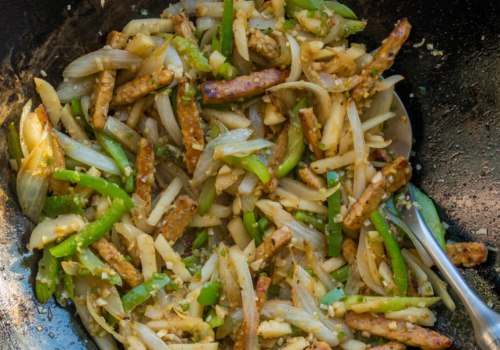
- Incorporate into Meals: Add baked tempeh strips to stir-fries, grain bowls, or as a protein-packed topping for salads. Their nutty flavour complements a variety of ingredients.
- Snack Smart: Enjoy tempeh strips as a healthy snack on their own or paired with dips like hummus or guacamole for added flavour and nutrition.
- Make it a Staple: Consider including tempeh in your weekly meal prep. Its long shelf life makes it easy to have on hand for quick meals.
With its unique texture and flavour profile, baked tempeh strips can transform ordinary meals into extraordinary ones. So why not give them a try? Your taste buds—and your body—will thank you!.