In the realm of culinary delights, few combinations are as enticing as teriyaki sauce paired with tempeh. Originating from Japan, teriyaki sauce is renowned for its harmonious blend of sweet and savoury flavours, making it a versatile condiment that elevates a variety of dishes. Its rich umami profile not only enhances the taste of traditional proteins like chicken and fish but also complements plant-based options, particularly tempeh. This fermented soybean product has gained immense popularity among health-conscious eaters and vegans alike, thanks to its impressive nutritional profile and unique texture. Tempeh is not just a protein substitute; it is a powerhouse of nutrients, offering a wealth of benefits that make it an excellent choice for those seeking to incorporate more plant-based foods into their diet.
Rich in protein, fibre, and essential vitamins, tempeh supports digestive health and provides sustained energy. When marinated in teriyaki sauce, tempeh absorbs the sauce's flavours, transforming into a deliciously savoury dish that can satisfy even the most discerning palate. The marriage of teriyaki sauce and tempeh creates a culinary experience that is both satisfying and nutritious. As we delve deeper into this article, we will explore the origins of teriyaki sauce, its health benefits, and various ways to use it with tempeh. Whether you are a seasoned chef or a novice in the kitchen, understanding how to harness the flavours of teriyaki sauce with tempeh will undoubtedly enhance your cooking repertoire.
What is Teriyaki Sauce?
Teriyaki sauce is a beloved condiment that originates from Japan, known for its unique blend of sweet and savoury flavours.The term "teriyaki" itself refers to a cooking technique that involves grilling or broiling food while basting it with a sauce. This method not only enhances the taste but also adds a beautiful glaze to the dish, making it visually appealing.The traditional ingredients of teriyaki sauce include:
- Soy Sauce: This is the primary ingredient, providing the salty and umami base of the sauce.
- Mirin: A sweet rice wine that adds depth and sweetness to the sauce.
- Sake: Another rice wine, which contributes to the overall flavour profile and helps to tenderise the meat or protein being marinated.
- Sugar: Often added to enhance sweetness and balance the saltiness of the soy sauce.
- Ginger and Garlic: These ingredients are sometimes included for an extra layer of flavour, adding warmth and spice.
Its versatility makes it an excellent choice for marinating tempeh, as it infuses this protein-rich food with rich flavours while complementing its nutty taste. Understanding what teriyaki sauce is and its key ingredients can significantly enhance your culinary experience when preparing dishes featuring tempeh.
The Nutritional Benefits of Teriyaki Sauce
When considering the nutritional benefits of teriyaki sauce, it’s essential to look at its composition and how it can enhance the health profile of dishes, particularly when paired with tempeh. This popular Japanese condiment is not only a flavour enhancer but also offers several health advantages.One of the primary benefits of teriyaki sauce is its relatively low-calorie content. A typical serving contains around 15 to 30 calories, depending on the brand and specific ingredients used.This makes it an excellent choice for those who are mindful of their caloric intake while still wanting to enjoy a burst of flavour in their meals.Moreover, teriyaki sauce is primarily made from soy sauce , which is rich in amino acids. These amino acids are vital for various bodily functions, including muscle repair and immune system support. The fermentation process involved in making soy sauce also contributes to its probiotic content, which can aid in digestive health.Another key ingredient in teriyaki sauce is mirin , a sweet rice wine that adds depth to the flavour profile. Mirin contains vitamins B1 and B2, which are essential for energy metabolism and overall cellular function.
Additionally, mirin has a lower alcohol content than sake, making it a suitable option for those who prefer to limit their alcohol intake.The sugar content in teriyaki sauce, while contributing to its sweetness, can also provide a quick source of energy. However, it’s important to use teriyaki sauce in moderation, especially for those monitoring their sugar consumption.In terms of sodium content, teriyaki sauce can be high due to the soy sauce base. For individuals watching their sodium intake, low-sodium versions are available and can be just as flavourful when used appropriately.In summary, incorporating teriyaki sauce into your meals can offer several nutritional benefits. Its low-calorie count, presence of amino acids from soy sauce, vitamins from mirin, and potential digestive health benefits make it a valuable addition to dishes featuring tempeh.
By using teriyaki sauce wisely, you can enhance not only the taste but also the nutritional value of your meals.
Understanding Tempeh: A Protein-Packed Alternative
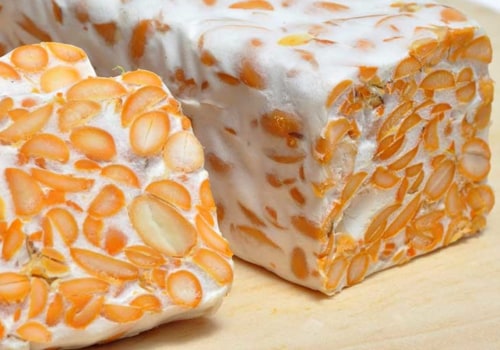
Tempeh is a traditional Indonesian food made from fermented soybeans, and it has gained immense popularity as a versatile protein source, particularly among vegetarians and vegans. Unlike tofu, which is made from soy milk, tempeh is produced by fermenting whole soybeans, resulting in a firm texture and a nutty flavour that can enhance a variety of dishes.The fermentation process not only contributes to tempeh's unique taste but also boosts its nutritional profile. Tempeh is rich in protein, providing approximately 19 grams of protein per 100 grams, making it an excellent alternative to meat. This high protein content is essential for muscle repair and growth, making tempeh a favourite among athletes and fitness enthusiasts.In addition to being a great source of protein, tempeh offers numerous health benefits:- Rich in Nutrients: Tempeh is packed with essential vitamins and minerals, including calcium, iron, magnesium, and B vitamins.
These nutrients play vital roles in maintaining overall health.
- High in Fibre: The fermentation process increases the fibre content of tempeh, which aids digestion and promotes gut health. A diet high in fibre can help prevent constipation and support a healthy digestive system.
- Probiotic Properties: As a fermented food, tempeh contains beneficial bacteria that can enhance gut flora and improve digestive health. Probiotics are known to support the immune system and may even help reduce inflammation.
- Low in Saturated Fat: Tempeh is low in saturated fat compared to many animal protein sources, making it a heart-healthy option for those looking to reduce their fat intake.
This combination not only enhances the taste but also elevates the nutritional value of meals, making them both satisfying and wholesome.
How to Use Teriyaki Sauce with Tempeh
Using teriyaki sauce with tempeh can elevate your dishes, infusing them with a delightful blend of sweet and savoury flavours. Here are some practical tips on how to effectively use teriyaki sauce with tempeh, ensuring that you achieve the best results in your cooking.Marinating Tempeh
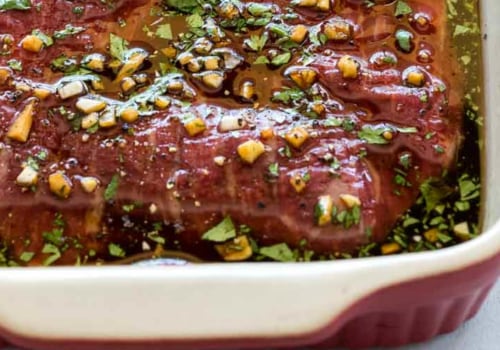
Marinating is a crucial step when preparing tempeh with teriyaki sauce. The marination process allows the tempeh to absorb the rich flavours of the sauce, enhancing its taste and texture. Here are some guidelines for marinating:- Duration: For optimal flavour, marinate the tempeh for at least 30 minutes.
If time permits, letting it sit for several hours or even overnight in the refrigerator will yield even more intense flavours.
- Preparation: Cut the tempeh into your desired shape—slices, cubes, or strips—before marinating. This increases the surface area, allowing more of the sauce to penetrate.
- Storage: Use a resealable plastic bag or a shallow dish to marinate the tempeh. Ensure that it is well-coated in teriyaki sauce for even flavour distribution.
Cooking Methods for Tempeh
Once marinated, there are several cooking methods you can employ to prepare your tempeh:- Grilling: Grilling adds a smoky flavour and crispy texture to tempeh. Preheat your grill and cook the marinated tempeh for about 5-7 minutes on each side, brushing with additional teriyaki sauce as needed.
- Baking: Baking is a healthier option that allows for even cooking.
Preheat your oven to 200°C (400°F) and place the marinated tempeh on a baking sheet lined with parchment paper. Bake for 20-25 minutes, flipping halfway through.
- Sautéing: For a quick meal, sautéing is ideal. Heat a tablespoon of oil in a skillet over medium heat and add the marinated tempeh. Cook until golden brown and crispy, about 5-10 minutes.
- Steaming: Steaming is a gentle method that retains moisture.
Steam the marinated tempeh for about 10-15 minutes before finishing it off with a quick sauté or grill for added texture.
Enhancing Flavours
To further enhance the flavours of your teriyaki-tempeh dish, consider these tips:- Add Vegetables: Incorporate vegetables such as bell peppers, broccoli, or snap peas during cooking. They not only add colour but also complement the flavours of the teriyaki sauce.
- Garnish: Finish your dish with fresh herbs like cilantro or green onions, and sprinkle sesame seeds on top for added crunch and visual appeal.
- Layering Flavours: For an extra depth of flavour, consider adding garlic or ginger to your marinade or during cooking. This will create a more complex taste profile that pairs beautifully with tempeh.
Frequently Asked Questions About Teriyaki Sauce and Tempeh
When it comes to cooking with teriyaki sauce and tempeh, many people have questions about how to best utilise these ingredients. Below are some frequently asked questions that can help clarify common doubts and enhance your culinary experience.What is the best way to store teriyaki sauce?
Teriyaki sauce can be stored in a cool, dark place if it is unopened.Once opened, it should be refrigerated to maintain its flavour and freshness. Always check the expiration date on the bottle, and if you notice any changes in colour or smell, it’s best to discard it.
Can I make teriyaki sauce at home?
Absolutely! Making your own teriyaki sauce is simple and allows you to control the ingredients. A basic recipe includes:- 1/2 cup soy sauce
- 1/4 cup mirin or sake
- 1/4 cup sugar
- 1 tablespoon grated ginger (optional)
- 1 tablespoon cornstarch mixed with 2 tablespoons water (for thickening)
For a thicker sauce, add the cornstarch mixture and cook until it reaches your desired consistency.
Is tempeh gluten-free?
Tempeh is typically made from fermented soybeans and is naturally gluten-free. However, some brands may add grains or flavourings that contain gluten, so it's essential to check the label if you have a gluten intolerance.How long should I marinate tempeh in teriyaki sauce?
The ideal marinating time for tempeh in teriyaki sauce is at least 30 minutes, but for maximum flavour, consider marinating it for several hours or even overnight. This allows the tempeh to absorb the rich flavours of the sauce.Can I use teriyaki sauce with other proteins?
Yes! While teriyaki sauce pairs exceptionally well with tempeh, it can also enhance the flavour of various proteins such as chicken, beef, pork, and fish. The sweet and savoury notes of teriyaki make it a versatile marinade for many dishes.What are some popular dishes that use teriyaki sauce and tempeh?
Some popular dishes include:- Teriyaki Tempeh Stir-Fry: A quick dish featuring vegetables and marinated tempeh.
- Teriyaki Tempeh Bowls: Served over rice with fresh veggies.
- Teriyaki Tempeh Tacos: A fusion dish that combines Mexican flavours with Asian-inspired tempeh.
Conclusion: Elevate Your Tempeh Dishes with Teriyaki Sauce
In conclusion, incorporating teriyaki sauce into your tempeh dishes can significantly enhance both flavour and texture, making your meals not only more enjoyable but also more nutritious.The unique combination of sweet and savoury notes in teriyaki sauce complements the nutty, earthy flavour of tempeh, creating a delightful culinary experience that is hard to resist.Throughout this article, we have explored the origins and components of teriyaki sauce, highlighting its versatility as a marinade and cooking sauce. The health benefits associated with both teriyaki sauce and tempeh cannot be overlooked. With tempeh being a rich source of protein and essential nutrients, and teriyaki sauce offering a burst of flavour with relatively low calories, this pairing is ideal for those seeking healthy yet delicious meal options.Moreover, the various methods of using teriyaki sauce with tempeh—whether through marinating, grilling, or stir-frying—allow for endless creativity in the kitchen. Here are some key takeaways to remember:
- Marination is key: Allowing tempeh to soak in teriyaki sauce for an extended period will yield the best results in terms of flavour absorption.
- Diverse cooking methods: Experiment with different cooking techniques such as grilling, baking, or stir-frying to discover your preferred texture and taste.
- Endless recipe possibilities: From bowls to tacos and skewers, the combination of teriyaki sauce and tempeh can be adapted to suit various cuisines and personal preferences.
Try creating your own unique recipes or modifying existing ones by incorporating teriyaki sauce into your tempeh dishes. Not only will you enjoy the rich flavours that this combination brings, but you will also be providing yourself and your loved ones with a nutritious meal that is both satisfying and wholesome.So go ahead—embrace the delicious potential of teriyaki sauce with tempeh and elevate your culinary creations to new heights!.