In the realm of vegan cooking , few ingredients are as versatile and nutritious as tempeh and mushrooms. These two powerhouses not only provide a wealth of flavour but also serve as excellent sources of plant-based protein, making them ideal for anyone looking to enhance their diet with wholesome, meat-free options. Tempeh, a fermented soybean product originating from Indonesia, boasts a firm texture and a nutty taste that can elevate a variety of dishes. Meanwhile, mushrooms, with their diverse range of species and flavours, add depth and umami to meals, making them a staple in many culinary traditions.The nutritional benefits of tempeh are impressive.
It is rich in protein, containing approximately 15 to 20 grams per 100 grams, along with essential amino acids that support muscle health and overall well-being. Additionally, tempeh is packed with vitamins such as B6 and B12, as well as minerals like iron and magnesium. This makes it not only a fantastic meat substitute but also a valuable addition to any diet focused on health and vitality.Mushrooms complement tempeh beautifully, offering their own unique set of health benefits. Low in calories yet high in nutrients, mushrooms are an excellent source of B vitamins, antioxidants, and dietary fibre.
Varieties such as shiitake, portobello, and oyster mushrooms each bring distinct flavours and textures to the table. Incorporating these fungi into your meals can enhance both the taste and nutritional profile of your dishes.As we delve deeper into this comprehensive guide on vegan tempeh and mushrooms, you will discover an array of recipes and cooking techniques that showcase the incredible versatility of these ingredients. From hearty stir-fries to comforting casseroles, the possibilities are endless when it comes to creating delicious plant-based meals that satisfy both the palate and the body.
What is Tempeh?
Tempeh is a traditional Indonesian food that has gained popularity worldwide, particularly among those seeking plant-based protein sources. It is made from fermented soybeans, which are cooked, inoculated with a specific culture, and then allowed to ferment.This fermentation process not only enhances the nutritional profile of tempeh but also contributes to its unique flavour and texture.The origins of tempeh can be traced back to Indonesia, where it has been consumed for centuries. It is often regarded as a staple food in Indonesian cuisine, serving as a versatile ingredient that can be used in various dishes. The fermentation process involved in making tempeh results in a firm, chewy texture that makes it an excellent meat substitute in many recipes.
Nutritional Profile of Tempeh
Tempeh is renowned for its impressive nutritional content. A typical serving of tempeh (approximately 100 grams) contains:- Protein: 15 to 20 grams, making it an excellent source of plant-based protein.
- Dietary Fiber: Around 7 to 9 grams, which aids in digestion and promotes gut health.
- Vitamins: Rich in B vitamins such as B6, B12 (if fortified), and folate, which are essential for energy metabolism and overall health.
- Minerals: Contains significant amounts of iron, calcium, magnesium, and phosphorus, all of which are vital for various bodily functions.
Health Benefits of Tempeh
The health benefits of incorporating tempeh into your diet are numerous:- High in Protein: As a complete protein source, tempeh provides all nine essential amino acids necessary for muscle repair and growth.
- Supports Digestive Health: The fermentation process increases the bioavailability of nutrients and introduces probiotics that promote gut health.
- Heart Health: Tempeh is low in saturated fat and cholesterol-free, making it a heart-healthy alternative to animal proteins.
- Bone Health: The calcium and magnesium content in tempeh supports bone density and overall skeletal health.
- Weight Management: Its high protein and fiber content can help you feel fuller for longer, aiding in weight control efforts.
Whether you are vegan, vegetarian, or simply looking to reduce your meat consumption, incorporating tempeh into your meals can provide significant health benefits while satisfying your taste buds.
What are Mushrooms?
Mushrooms are fascinating organisms that belong to the fungi kingdom, distinct from both plants and animals. They play a crucial role in various ecosystems, acting as decomposers that break down organic matter. This unique classification contributes to their diverse range of flavours, textures, and nutritional profiles, making them a popular ingredient in many culinary traditions, especially in vegan cooking.There are numerous types of mushrooms , each offering its own unique taste and health benefits. Here are some of the most common varieties:- Button Mushrooms: These are the most widely consumed mushrooms globally.
They have a mild flavour and are often used in salads, soups, and stir-fries.
- Portobello Mushrooms: Known for their large size and meaty texture, portobellos are perfect for grilling or roasting. They can serve as a hearty substitute for meat in burgers.
- Shiitake Mushrooms: Renowned for their rich, umami flavour, shiitakes are often used in Asian cuisine. They also contain compounds that may boost the immune system.
- Oyster Mushrooms: With their delicate texture and mild taste, oyster mushrooms are versatile and can be sautéed or added to soups for extra depth of flavour.
- Enoki Mushrooms: These long-stemmed mushrooms have a crisp texture and a slightly fruity taste. They are often used in salads or as a garnish.
They are low in calories yet packed with essential nutrients. For instance:
- Vitamins: Mushrooms are an excellent source of B vitamins, including riboflavin, niacin, and pantothenic acid, which play vital roles in energy metabolism.
- Minerals: They provide important minerals such as selenium, potassium, and copper, contributing to overall health and well-being.
- Antioxidants: Rich in antioxidants like ergothioneine and glutathione, mushrooms help combat oxidative stress in the body.
- Dietary Fibre: The fibre content in mushrooms aids digestion and promotes gut health.
Nutritional Benefits of Tempeh and Mushrooms
Incorporating tempeh and mushrooms into your diet not only enhances the flavour of your meals but also significantly boosts their nutritional profile. Both ingredients are rich in essential nutrients that contribute to a balanced vegan diet, making them ideal for those seeking to maintain optimal health.Nutritional Benefits of Tempeh
Tempeh is a powerhouse of nutrition, offering a variety of health benefits:- High in Protein: With approximately 15 to 20 grams of protein per 100 grams, tempeh serves as an excellent source of plant-based protein, essential for muscle repair and growth.
- Rich in Probiotics: The fermentation process involved in making tempeh introduces beneficial probiotics, which support gut health and improve digestion.
- Source of Essential Amino Acids: Tempeh contains all nine essential amino acids, making it a complete protein source, crucial for overall health.
- Vitamins and Minerals: It is packed with B vitamins, including B6 and B12, as well as minerals like iron, calcium, and magnesium, which are vital for energy production and bone health.
Nutritional Benefits of Mushrooms
Mushrooms are not only versatile but also offer numerous health benefits:- Low in Calories: Mushrooms are low in calories yet high in nutrients, making them an excellent addition to any meal without adding excess calories.
- Rich in Antioxidants: They contain powerful antioxidants that help combat oxidative stress and reduce inflammation in the body.
- Boost Immune Function: Certain types of mushrooms, such as shiitake and maitake, have been shown to enhance immune function due to their beta-glucans content.
- Source of Vitamin D: When exposed to sunlight or UV light, mushrooms can produce vitamin D, which is essential for bone health and immune support.
The combination provides a rich source of protein along with essential vitamins and minerals that support various bodily functions. Including these ingredients in your meals can help ensure you meet your nutritional needs while enjoying delicious flavours.In summary, the incorporation of tempeh and mushrooms into your vegan diet not only enhances the taste of your dishes but also contributes significantly to your overall health. Their combined nutritional benefits make them an indispensable part of a balanced vegan lifestyle.
How to Prepare Tempeh
Preparing tempeh properly is essential to unlock its full potential in your vegan dishes. This fermented soybean product has a unique texture and flavour that can be enhanced through various cooking methods and marinades.Below, we will explore how to cook tempeh, effective marinating techniques, and some delicious recipes to inspire your culinary adventures.
Cooking Methods for Tempeh
Tempeh can be prepared using several cooking methods, each offering a different taste and texture. Here are some popular techniques:- Steaming: Steaming tempeh before cooking can help soften its texture and make it more absorbent. Simply place the tempeh in a steamer basket over boiling water for about 10 minutes.
- Boiling: Boiling tempeh for 10-15 minutes can also help to soften it. This method is particularly useful if you plan to crumble the tempeh for use in tacos or salads.
- Sautéing: Sautéing tempeh in a pan with a little oil allows it to develop a crispy exterior while remaining tender inside.
Cook over medium heat for about 5-7 minutes on each side until golden brown.
- Baking: Baking tempeh is an excellent way to achieve a chewy texture. Preheat your oven to 180°C (350°F), slice the tempeh, and bake for 20-25 minutes, flipping halfway through.
- Grilling: Grilling tempeh adds a smoky flavour that pairs well with marinades. Grill slices for about 5-6 minutes on each side until grill marks appear.
Marinating Tempeh
Marinating is one of the best ways to infuse flavour into tempeh. Here’s how to do it effectively:- Select Your Marinade: Choose a marinade that complements your dish.
Common ingredients include soy sauce, olive oil, vinegar, garlic, ginger, and various herbs and spices.
- Prepare the Marinade: In a bowl, mix your chosen marinade ingredients until well combined. You can also add sweeteners like maple syrup or agave nectar for balance.
- Marinate the Tempeh: Cut the tempeh into desired shapes—slices, cubes, or strips—and place them in the marinade. Ensure all pieces are well coated. Cover and refrigerate for at least 30 minutes; however, marinating overnight will yield even better results.
Tempeh Recipes to Try
Once you’ve prepared your tempeh, consider trying these delicious recipes:- Tempeh Stir-Fry: Combine marinated tempeh with seasonal vegetables and your favourite stir-fry sauce for a quick meal.
- Baked Tempeh Tacos: Use baked tempeh as a filling for tacos along with fresh salsa and avocado.
- Tempeh Curry: Simmer tempeh in coconut milk with spices and vegetables for a hearty curry dish.
Experiment with different marinades and cooking methods to find your perfect combination!
How to Cook Mushrooms
Cooking mushrooms can elevate your dishes, adding depth and a rich umami flavour. Here are some effective methods to prepare mushrooms, ensuring they shine in your vegan recipes.Sautéing Mushrooms
Sautéing is one of the most popular methods for cooking mushrooms, as it enhances their natural flavours while keeping them tender. Follow these steps for perfectly sautéed mushrooms:- Choose the Right Pan: Use a wide skillet to allow for even cooking and to prevent overcrowding, which can lead to steaming rather than sautéing.
- Heat the Oil: Add a splash of olive oil or vegan butter to the pan and heat it over medium-high heat until shimmering.
- Add the Mushrooms: Place sliced mushrooms in the pan in a single layer. Avoid stirring them immediately; let them cook for about 3-4 minutes until they start to brown.
- Season: Once browned, season with salt and pepper.
You can also add minced garlic or fresh herbs like thyme or rosemary for extra flavour.
- Finish Cooking: Continue to sauté for another 3-5 minutes until they are golden brown and tender. Remove from heat and serve immediately.
Grilling Mushrooms
Grilling mushrooms adds a smoky flavour that can enhance many dishes. Larger varieties like portobello or shiitake work best for grilling. Here’s how to do it:- Prepare the Mushrooms: Clean the mushrooms with a damp cloth and remove stems if necessary.
For portobello, you can marinate them in balsamic vinegar, olive oil, and herbs for added flavour.
- Preheat the Grill: Heat your grill to medium-high. If using skewers, thread smaller mushrooms onto them.
- Grill: Place the mushrooms directly on the grill or on skewers. Grill for about 5-7 minutes per side, brushing with marinade if desired.
- Serve: Once tender and charred, remove from the grill and serve as a side dish or as part of a main course.
Incorporating Mushrooms into Dishes
Mushrooms can be seamlessly integrated into various dishes, enhancing both flavour and nutrition. Here are some ideas:- Soups and Stews: Add sautéed mushrooms to soups or stews for a hearty texture.
They pair well with lentils or beans.
- Pasta Dishes: Toss cooked pasta with sautéed mushrooms, garlic, spinach, and a splash of lemon juice for a quick meal.
- Casseroles: Layer mushrooms in vegetable casseroles or lasagnas to add moisture and depth of flavour.
Combining Tempeh and Mushrooms in Dishes
Combining tempeh and mushrooms in your cooking can elevate your dishes, providing a delightful mix of textures and flavours. Both ingredients are not only nutritious but also versatile, making them perfect companions in a variety of recipes. Here are some creative ways to incorporate tempeh and mushrooms into your meals.Stir-Fry Recipes
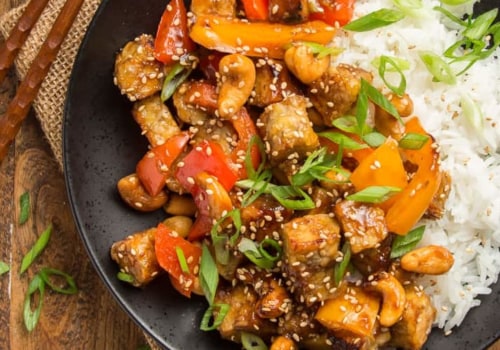
Stir-fries are an excellent way to showcase the unique qualities of tempeh and mushrooms. The quick cooking method allows the ingredients to retain their nutrients while developing rich flavours.Here’s how to create a delicious stir-fry:
- Preparation: Start by slicing tempeh into thin strips or cubes. Marinate it in a mixture of soy sauce, garlic, and ginger for at least 30 minutes to enhance its flavour.
- Mushroom Selection: Choose a variety of mushrooms such as shiitake, oyster, or bellas for added depth. Slice them into bite-sized pieces.
- Cooking: Heat a tablespoon of oil in a large skillet or wok over medium-high heat. Add the marinated tempeh first, allowing it to brown slightly before adding the mushrooms.
Stir-fry for about 5-7 minutes until the mushrooms are tender and the tempeh is golden.
- Add Vegetables: Incorporate your favourite vegetables like bell peppers, broccoli, or snap peas for colour and nutrition. Stir-fry everything together for an additional 3-5 minutes.
Casseroles with Tempeh and Mushrooms
Casseroles are another fantastic way to combine these two ingredients, allowing their flavours to meld beautifully over time. Here’s a simple recipe idea:- Base Layer: Start with a base of cooked grains such as quinoa or brown rice in a baking dish.
- Tempeh Preparation: Crumble tempeh into small pieces and sauté it with onions, garlic, and spices until golden brown.
- Mushroom Mixture: In the same pan, add sliced mushrooms and cook until they release their moisture and become tender. Combine this mixture with the sautéed tempeh.
- Assembly: Layer the tempeh and mushroom mixture over the grains in the baking dish.
Pour over a creamy vegan sauce made from cashews or coconut milk for added richness.
- Baking: Bake in a preheated oven at 180°C (350°F) for about 25-30 minutes until bubbly and golden on top.
FAQs about Tempeh and Mushrooms
As interest in plant-based diets continues to grow, many people have questions about tempeh and mushrooms. Below are some frequently asked questions that can help clarify common misconceptions and provide valuable insights into these nutritious ingredients.What is the difference between tempeh and tofu?
While both tempeh and tofu are made from soybeans, they differ significantly in their production processes and nutritional profiles. Tempeh is made from fermented whole soybeans, which gives it a firmer texture and a nutty flavour.In contrast, tofu is made from soy milk that is coagulated and pressed into blocks, resulting in a softer texture. Nutritionally, tempeh is higher in protein and fibre compared to tofu, making it a more substantial option for those seeking plant-based protein sources.
How should I store tempeh?
To maintain its freshness, tempeh should be stored in the refrigerator. It is best kept in its original packaging until opened. Once opened, wrap any unused portions tightly in plastic wrap or place them in an airtight container.Tempeh can also be frozen for longer storage; however, this may alter its texture slightly.
Can I eat tempeh raw?
While tempeh is technically safe to eat raw due to the fermentation process, it is generally recommended to cook it before consumption. Cooking not only enhances its flavour but also improves digestibility and nutrient absorption.What types of mushrooms are best for cooking?
There are numerous varieties of mushrooms available, each offering unique flavours and textures. Some popular choices for cooking include:- Button mushrooms: Mild flavour, versatile for various dishes.
- Shiitake mushrooms: Rich umami taste, great for stir-fries and soups.
- Portobello mushrooms: Meaty texture, perfect for grilling or as burger substitutes.
- Oyster mushrooms: Delicate flavour, ideal for sautéing or adding to pasta dishes.
How do I prepare mushrooms before cooking?
Mushrooms should be cleaned gently with a damp cloth or a soft brush to remove any dirt. Avoid soaking them in water as they can absorb moisture, which may affect their texture during cooking.Trim the stems if necessary, especially for larger varieties like portobello mushrooms.
Are there any health benefits associated with eating tempeh and mushrooms?
Yes! Both tempeh and mushrooms offer numerous health benefits:- Tempeh: High in protein, dietary fibre, vitamins B6 and B12, iron, and probiotics that support gut health.
- Mushrooms: Low in calories but rich in antioxidants, vitamins (such as D), minerals (like selenium), and compounds that may boost immune function.
Conclusion: Embracing Tempeh and Mushrooms in Your Vegan Diet
In conclusion, incorporating tempeh and mushrooms into your vegan diet not only enhances the flavour of your meals but also significantly boosts their nutritional value. Throughout this guide, we have explored the unique characteristics of both ingredients, highlighting their health benefits and versatility in various culinary applications.Tempeh
, with its rich protein content and probiotic properties, serves as an excellent meat substitute, making it a staple for those seeking to maintain a balanced plant-based diet. Its firm texture allows it to absorb marinades beautifully, making it suitable for a wide range of dishes from stir-fries to salads. The fermentation process involved in its production not only enhances its digestibility but also enriches it with essential nutrients that support overall health.On the other hand, mushrooms bring a depth of flavour and a variety of textures to meals.
Their low-calorie count combined with high levels of vitamins and minerals makes them an ideal addition to any dish. Whether you opt for the earthy taste of shiitake or the robust flavour of portobello, mushrooms can elevate your meals while providing numerous health benefits, including immune support and antioxidant properties.By embracing these two ingredients, you can create an array of delicious vegan dishes that cater to different tastes and preferences. Here are some practical tips to help you incorporate more tempeh and mushrooms into your meals:
- Experiment with Marinades: Try different combinations of herbs, spices, and sauces to find your favourite flavours.
- Add to Stir-Fries: Combine tempeh and mushrooms with seasonal vegetables for a quick and nutritious meal.
- Use in Soups and Stews: Both ingredients can add heartiness to soups, making them more satisfying.
- Create Vegan Burgers: Mash tempeh with sautéed mushrooms for a delicious burger patty that’s full of flavour.
- Incorporate into Salads: Add grilled tempeh and roasted mushrooms to salads for added protein and texture.
So why not start today? Your taste buds—and your body—will thank you!.