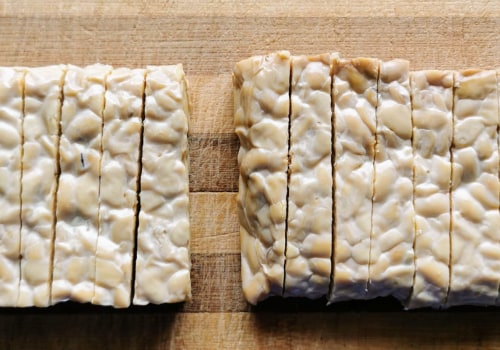
Soybeans are a remarkable legume that has gained immense popularity in recent years, particularly among those seeking to enhance their diets with nutritious, plant-based options. These small, round beans are not only versatile in the kitchen but also packed with essential nutrients that contribute to overall health. Rich in protein, fibre, vitamins, and minerals, soybeans serve as an excellent source of plant-based protein, making them a staple for vegetarians and vegans alike. One of the most celebrated products derived from soybeans is tempeh, a fermented food that offers a unique flavour and texture while retaining the nutritional benefits of whole soybeans.The benefits of incorporating soybeans into your diet are numerous.
They are known to support heart health by helping to lower cholesterol levels and reduce the risk of cardiovascular diseases. Additionally, soybeans contain antioxidants and anti-inflammatory properties that may aid in preventing chronic illnesses. Their high fibre content promotes digestive health and can assist in maintaining a healthy weight by keeping you feeling fuller for longer. Furthermore, soybeans are a rich source of isoflavones, which have been linked to various health benefits, including hormonal balance and potential cancer prevention.Tempeh, in particular, stands out as a versatile ingredient that can be used in a variety of dishes.
Its firm texture allows it to absorb flavours well, making it an ideal addition to stir-fries, salads, and sandwiches. Unlike tofu, which is made from soy milk, tempeh is made from whole soybeans that are fermented, resulting in a product that is not only nutritious but also rich in probiotics. This fermentation process enhances its digestibility and adds beneficial bacteria to your gut microbiome.Incorporating soybeans and their derivatives like tempeh into your meals can significantly enhance your nutritional intake while providing delicious options for any dietary preference. As we delve deeper into the world of cooking soybeans, you'll discover various methods and recipes that highlight their incredible versatility and health benefits.
Understanding Soybeans: Types and Varieties
Soybeans are a diverse legume with several varieties, each offering unique flavours, textures, and culinary applications.Understanding the different types of soybeans can significantly enhance your cooking experience and help you select the right variety for your recipes.
1.Black Soybeans
Black soybeans are known for their rich, earthy flavour and slightly sweet taste. They are often used in Asian cuisine, particularly in dishes like miso soup and black bean sauce. Their dark colour comes from anthocyanins, which are antioxidants beneficial for health. Black soybeans are also lower in carbohydrates compared to other varieties, making them a popular choice for those following low-carb diets.
When cooked, they maintain a firm texture, making them ideal for salads or as a protein-rich addition to grain bowls.
2.Green Soybeans (Edamame)
Green soybeans, commonly referred to as edamame, are harvested when they are still young and tender. They have a bright green colour and a sweet, nutty flavour that makes them a favourite snack or appetizer. Edamame can be boiled or steamed and is often served sprinkled with sea salt. They are not only delicious but also packed with protein, fibre, and essential vitamins.
Edamame is versatile and can be added to stir-fries, salads, or blended into dips like hummus for an extra nutritional boost.
3.Yellow Soybeans
Yellow soybeans are the most common variety found in grocery stores and are primarily used to produce tofu, soy milk, and soy sauce. They have a mild flavour that allows them to absorb the tastes of other ingredients in a dish. Yellow soybeans are high in protein and contain healthy fats, making them an excellent choice for vegetarian and vegan diets. When cooked, they become soft and creamy, perfect for soups or blended into smoothies.
4.Brown Soybeans
Brown soybeans have a slightly nuttier flavour compared to yellow soybeans and are often used in similar applications.
They can be cooked whole or ground into flour for baking purposes. Brown soybeans are rich in nutrients and provide a hearty texture that works well in stews or casseroles. Their robust flavour pairs nicely with spices and herbs, making them suitable for various culinary creations.In summary, each type of soybean brings its own unique characteristics to the table. Whether you choose black soybeans for their antioxidant properties, green soybeans for their fresh taste, yellow soybeans for their versatility, or brown soybeans for their hearty texture, incorporating these legumes into your meals can enhance both flavour and nutrition.
Preparing Soybeans for Cooking
Preparing soybeans for cooking is a crucial step that can significantly enhance their texture and digestibility.Proper preparation involves a few essential processes: soaking, rinsing, and draining the beans. Each of these steps plays a vital role in ensuring that your soybeans are not only safe to eat but also delicious and easy to digest.
Soaking Soybeans
Soaking is the first and most important step in preparing soybeans. This process helps to soften the beans, making them easier to cook and digest. Additionally, soaking can reduce the levels of phytic acid, a compound that may inhibit the absorption of certain minerals in the body.To soak soybeans:
- Measure the Beans: Start by measuring out the amount of dried soybeans you wish to prepare.
- Rinse Thoroughly: Place the beans in a colander and rinse them under cold running water to remove any dirt or impurities.
- Soak in Water: Transfer the rinsed beans to a large bowl or pot and cover them with two to three times their volume in cold water.
Ensure that the water is at least 5 cm above the beans, as they will expand during soaking.
- Let Soak: Allow the beans to soak for at least 8 hours or overnight. This extended soaking time is essential for dried soybeans, as it allows them to absorb water and soften adequately.
Rinsing Soybeans
After soaking, it’s important to rinse the soybeans again. Rinsing helps to remove any remaining phytic acid and other compounds that may have leached into the soaking water.To rinse your soaked soybeans:
- Drain the Soaking Water: Carefully pour off the soaking water into a sink or drain. Avoid pouring out the beans themselves.
- Rinse Under Cold Water: Place the beans back into a colander and rinse them thoroughly under cold running water.
Make sure to agitate them gently with your hands to ensure all beans are well rinsed.
Draining Soybeans
The final step before cooking is draining the rinsed soybeans. This ensures that excess water does not interfere with your cooking method.To drain your soybeans:
- Let Them Sit: Allow the rinsed beans to sit in the colander for a few minutes so that any remaining water can drain off completely.
- Ready for Cooking: Once drained, your soybeans are now ready for cooking using your preferred method, whether it be boiling, steaming, or another technique.
Cooking Methods for Soybeans
When it comes to cooking soybeans, there are several methods that can be employed, each offering unique textures and flavours. Understanding these methods will not only enhance your culinary skills but also allow you to enjoy the full nutritional benefits of this versatile legume.Boiling Soybeans
Boiling is one of the most straightforward and commonly used methods for cooking soybeans.To begin, rinse the soaked soybeans under cold water to remove any impurities. Then, place them in a large pot and cover with fresh water, ensuring there is enough liquid to allow for expansion as the beans cook.
- Cooking Time: Bring the water to a rolling boil, then reduce the heat to a simmer. Cook for approximately 2 to 3 hours, or until the beans are tender but not mushy.
- Seasoning: For added flavour, consider adding salt, garlic, or herbs to the boiling water. This will infuse the beans with a delightful taste.
Steaming Soybeans
Steaming is another excellent method that preserves the nutrients in soybeans while providing a slightly firmer texture.To steam soybeans, you will need a steamer basket or a colander that fits over a pot of boiling water.
- Preparation: After rinsing your soaked soybeans, place them in the steamer basket and cover it with a lid.
- Cooking Time: Steam for about 20 to 30 minutes, checking occasionally for doneness. The beans should be tender yet retain some bite.
- Seasoning: You can sprinkle some salt or drizzle with olive oil before steaming for enhanced flavour.
Pressure Cooking Soybeans
If you're short on time, pressure cooking is an efficient way to prepare soybeans while retaining their nutrients and flavour. This method significantly reduces cooking time compared to boiling.- Setup: Place soaked soybeans in the pressure cooker with enough water to cover them by about an inch.
- Cooking Time: Lock the lid in place and cook on high pressure for about 10 minutes. Allow for natural pressure release for best results.
- Seasoning: Consider adding spices or aromatics like onion or bay leaves to the water before sealing the cooker for an extra layer of flavour.
Slow Cooking Soybeans
If you prefer a hands-off approach, slow cooking is an ideal method.This technique allows flavours to meld beautifully over time.
- Preparation: Rinse your soaked soybeans and add them to a slow cooker with enough water or broth to cover them completely.
- Cooking Time: Set your slow cooker on low and let it cook for 6 to 8 hours, or until the beans are tender.
- Seasoning: Add herbs, spices, or even diced vegetables at the beginning of cooking for a hearty dish.
Making Tempeh: A Step-by-Step Guide
Making tempeh at home is a rewarding process that allows you to enjoy this nutritious fermented soybean product fresh and tailored to your taste. Below is a detailed step-by-step guide on how to make tempeh from cooked soybeans, including essential tips for successful fermentation.Ingredients Needed
- 2 cups of dried soybeans
- 1 tablespoon of tempeh starter culture (Rhizopus oligosporus)
- Water for soaking and cooking
- Optional: banana leaves or parchment paper for wrapping
Step 1: Soaking the Soybeans
Begin by rinsing the dried soybeans under cold water to remove any impurities.Place the beans in a large bowl and cover them with water, ensuring there is at least two inches of water above the beans. Allow them to soak for 8-12 hours or overnight. This soaking process hydrates the beans and prepares them for cooking.
Step 2: Cooking the Soybeans
After soaking, drain the soybeans and transfer them to a pot. Add fresh water, covering the beans by about an inch.Bring the water to a boil, then reduce the heat and simmer for approximately 30-45 minutes until the beans are tender but not mushy. Drain the cooked soybeans and let them cool slightly.
Step 3: Inoculating with Tempeh Starter
Once the soybeans have cooled to around room temperature, sprinkle the tempeh starter culture evenly over the beans. Mix gently but thoroughly to ensure that all beans are coated with the culture. This step is crucial as it introduces the beneficial fungi needed for fermentation.Step 4: Fermentation Process
Transfer the inoculated soybeans into a container suitable for fermentation.You can use a shallow dish or wrap them in banana leaves or parchment paper, forming a compact cake. Ensure that there are small holes or slits in the container or wrapping to allow air circulation, which is vital for fermentation.Place the container in a warm environment (ideally between 30-32°C or 86-90°F) for 24-48 hours. During this time, you should see white mycelium growing around and binding the soybeans together. The tempeh is ready when it has formed a firm cake and has a pleasant nutty aroma.
Step 5: Storing Your Tempeh
Once fermentation is complete, remove your tempeh from its container.You can store it in an airtight container in the refrigerator for up to a week or freeze it for longer storage. Freezing can alter its texture slightly but will preserve its nutritional benefits.
Tips for Success:
- Maintain consistent temperature during fermentation; fluctuations can affect growth.
- If using banana leaves, ensure they are clean and free from pesticides.
- Avoid excess moisture in your mixture; too much water can lead to spoilage.
Incorporating Soybeans into Your Diet
Incorporating soybeans and tempeh into your diet can be both enjoyable and beneficial for your health. These versatile ingredients can be used in a variety of dishes, making it easy to add them to your meals. Here are some creative ways to include cooked soybeans and tempeh in your everyday cooking.Delicious Recipes Featuring Soybeans
- Edamame Hummus: Blend cooked soybeans with tahini, garlic, lemon juice, and olive oil for a nutritious dip.
Serve with fresh vegetables or whole-grain crackers.
- Stir-Fried Soybeans: Toss cooked soybeans in a hot wok with seasonal vegetables, soy sauce, and sesame oil for a quick and healthy meal.
- Bean Salad: Combine cooked soybeans with diced tomatoes, cucumber, red onion, and a dressing of olive oil and vinegar for a refreshing salad.
- Vegetable Soup: Add cooked soybeans to your favourite vegetable soup for an extra protein boost.
Using Tempeh in Meals
Tempeh is a fermented soybean product that not only adds a unique flavour but also enhances the nutritional profile of your meals. Here are some ideas for using tempeh:- Tempeh Tacos: Crumble tempeh and sauté it with taco seasoning. Serve in corn tortillas with avocado, salsa, and fresh cilantro.
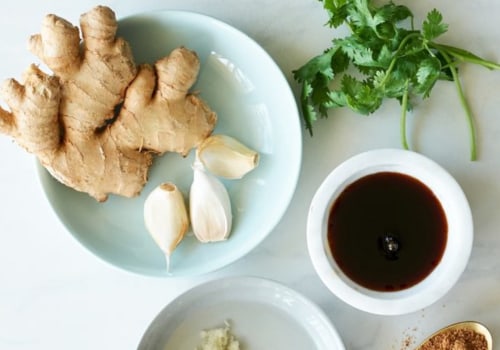
- Grilled Tempeh Skewers: Marinate tempeh cubes in a mixture of soy sauce, garlic, and ginger, then grill them on skewers with bell peppers and onions.
- Tempeh Stir-Fry: Slice tempeh into strips and stir-fry with broccoli, carrots, and snap peas. Serve over brown rice or quinoa.
The Health Benefits of Soy Products
Regularly consuming soy products like soybeans and tempeh can offer numerous health benefits:- High in Protein: Both soybeans and tempeh are excellent sources of plant-based protein, making them ideal for vegetarians and vegans.
- Rich in Nutrients: They contain essential vitamins and minerals such as iron, calcium, magnesium, and B vitamins.
- Heart Health: The consumption of soy products has been linked to lower cholesterol levels and improved heart health.
- Disease Prevention: Regular intake of soy may help reduce the risk of certain cancers due to their antioxidant properties.
Experimenting with different cooking methods will not only enhance your meals but also encourage a healthier lifestyle.
Frequently Asked Questions About Cooking Soybeans and Tempeh
Cooking soybeans and preparing tempeh can raise several questions, especially for those new to these nutritious ingredients. Below are some frequently asked questions that can help clarify common uncertainties and enhance your cooking experience.What are the health benefits of soybeans?
Soybeans are packed with nutrients, offering numerous health benefits. They are an excellent source of plant-based protein, making them a great alternative to meat. Additionally, soybeans are rich in dietary fibre, which aids digestion and helps maintain a healthy gut.They also contain essential fatty acids, vitamins, and minerals, including iron and calcium. Regular consumption of soy products has been linked to lower cholesterol levels and may reduce the risk of heart disease.
How do I store cooked soybeans?
Once cooked, soybeans can be stored in an airtight container in the refrigerator for up to five days. If you want to keep them longer, consider freezing them. Spread the cooked beans on a baking sheet to freeze individually before transferring them to a freezer-safe bag or container.This method prevents clumping and allows you to use only what you need later.
What is tempeh, and how is it made?
Tempeh is a traditional Indonesian product made from fermented soybeans. The process involves soaking, cooking, and inoculating the soybeans with a specific culture (Rhizopus oligosporus) before allowing them to ferment for 24-48 hours. This fermentation process not only enhances the nutritional profile of the soybeans but also gives tempeh its unique flavour and firm texture.Can I make tempeh at home?
Yes, making tempeh at home is possible but requires careful attention to hygiene and temperature control. You will need dried soybeans, a starter culture, and a warm environment (around 30°C or 86°F) for fermentation.There are many resources available online that provide detailed instructions on how to successfully make tempeh at home.
What are some cooking tips for tempeh?
- Marinate: Tempeh has a nutty flavour that can be enhanced with marinades. Consider using soy sauce, garlic, ginger, or citrus juices.
- Steam before cooking: Steaming tempeh for about 10 minutes before frying or grilling can help improve its texture and allow it to absorb flavours better.
- Crumble or slice: Depending on your dish, you can crumble tempeh into smaller pieces for stir-fries or slice it into steaks for grilling.
Conclusion: Embracing Soybeans in Your Culinary Journey
As we conclude our exploration of cooking soybeans, it’s clear that these remarkable legumes offer a wealth of culinary possibilities and health benefits. From their rich nutritional profile to their versatility in various dishes, soybeans are an excellent addition to any diet. Whether you’re a seasoned cook or just starting your culinary journey, embracing soybeans can elevate your meals and enhance your overall well-being.One of the standout products derived from soybeans is tempeh, a fermented soybean cake that not only provides a unique texture but also boasts an impressive nutritional profile.Tempeh is rich in protein, fibre, and essential vitamins, making it a fantastic meat alternative for those seeking plant-based options. Its nutty flavour and firm texture allow it to absorb marinades and seasonings beautifully, making it a versatile ingredient in stir-fries, salads, and sandwiches.Incorporating soybeans into your cooking routine can be both enjoyable and rewarding. Here are some key takeaways to consider:
- Experiment with Different Varieties: Don’t limit yourself to just one type of soybean. Explore black, green, and yellow soybeans to discover their unique flavours and textures.
- Utilise Various Cooking Methods: From boiling and steaming to stir-frying and baking, there are numerous ways to prepare soybeans.
Each method can yield different results, so don’t hesitate to try them all.
- Embrace Tempeh: As a fermented product, tempeh not only adds depth to your dishes but also promotes gut health due to its probiotic content. Consider using it in place of meat in your favourite recipes.
- Focus on Seasoning: Soybeans have a mild flavour that can be enhanced with various herbs, spices, and sauces. Experiment with different seasonings to find combinations that excite your palate.
So why not take the plunge? Start experimenting with soybeans today and discover how they can transform your culinary experience!.