In the vibrant world of culinary arts, few ingredients can elevate a dish quite like chili paste and sriracha. These two condiments have gained immense popularity not only for their ability to add heat but also for their complex flavour profiles that can transform even the simplest of meals into something extraordinary. Whether you are a seasoned chef or a home cook, understanding the nuances of these sauces is essential, especially when it comes to pairing them with versatile ingredients like tempeh.Chili paste and sriracha are often used interchangeably in recipes, yet they possess distinct characteristics that set them apart. Chili paste typically has a thicker consistency and is made from a variety of ground chili peppers, often combined with garlic, vinegar, and other spices.
On the other hand, sriracha is a specific type of chili sauce that originated in Thailand, known for its smooth texture and balanced sweetness. This unique combination of flavours makes both condiments ideal for marinating tempeh, a protein-rich food made from fermented soybeans that absorbs flavours beautifully.The versatility of chili paste and sriracha extends beyond mere marinades. They can be incorporated into sauces, dressings, and even desserts, showcasing their adaptability in various culinary contexts. As we delve deeper into the differences between these two popular condiments and explore their myriad uses, you will discover how to harness their potential to enhance your cooking experience.
From adding a spicy kick to your favourite dishes to creating unique flavour combinations with tempeh, understanding these sauces will undoubtedly enrich your culinary repertoire.
What is Chili Paste?
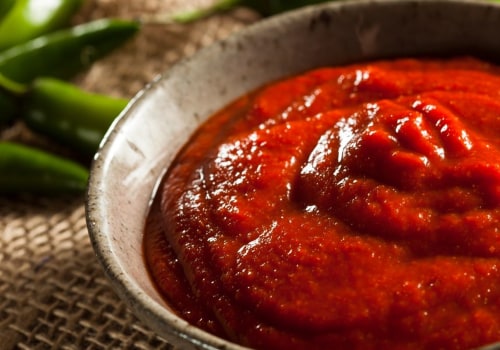
Chili paste is a versatile condiment that serves as a staple in many cuisines around the world, particularly in Asian and Latin American cooking. It is primarily made from ground chili peppers, which are blended with various other ingredients to create a thick, flavourful paste. The exact composition of chili paste can vary significantly depending on regional preferences and culinary traditions.Ingredients of Chili Paste
- Chili Peppers: The primary ingredient, providing the heat and flavour. Common varieties include jalapeño, bird's eye, and habanero, each contributing different levels of spiciness.
- Vinegar: Often included to add acidity and enhance preservation.
It also balances the heat of the chilies.
- Garlic: A key flavour enhancer that adds depth and aroma to the paste.
- Sugar: Used to counterbalance the heat and acidity, creating a more rounded flavour profile.
- Salt: Essential for enhancing overall taste and acting as a preservative.
- Additional Ingredients: Depending on the recipe, other components such as ginger, onion, or sesame oil may be added for extra complexity.
Culinary Uses of Chili Paste
Chili paste is incredibly versatile and can be used in various ways:
- Marinades: It is an excellent base for marinades, especially for proteins like tempeh. The paste not only infuses the tempeh with flavour but also helps tenderise it.
- Sauces: Chili paste can be incorporated into sauces for stir-fries or drizzled over dishes to add a spicy kick.
- Dips: Mixed with other ingredients like soy sauce or lime juice, it can create zesty dips for snacks or appetizers.
- Soups and Stews: A spoonful of chili paste can elevate the flavour profile of soups and stews, adding depth and warmth.
Its ability to complement ingredients like tempeh makes it an essential item in any kitchen looking to explore exciting flavours.
What is Sriracha?
Sriracha is a vibrant and versatile hot sauce that has gained immense popularity across the globe, particularly in Western cuisine. Originating from Thailand, this condiment is named after the coastal city of Si Racha, where it was first created in the 1930s by a local woman named Thanom Chakkapak. Initially used as a dipping sauce for seafood, Sriracha has evolved into a staple ingredient in various dishes, celebrated for its unique balance of heat and flavour.The primary ingredients of Sriracha include:- Chili Peppers: The base of Sriracha, typically made from red jalapeño peppers, which provide the signature heat.
- Vinegar: This ingredient adds acidity and tanginess, enhancing the overall flavour profile.
- Garlic: Fresh garlic contributes a robust aroma and depth of flavour.
- Sugar: A touch of sweetness helps to balance the heat from the chili peppers.
- Salt: Essential for seasoning and preserving the sauce.
- Dipping Sauce: Perfect for spring rolls, dumplings, or even fries.
- Marinades: When combined with other ingredients like soy sauce or lime juice, Sriracha makes an excellent marinade for proteins such as tempeh.
- Soups and Stews: A spoonful can elevate the flavour of broths and hearty dishes.
- Dressings: Incorporating Sriracha into salad dressings adds a spicy kick.
- Sandwiches and Tacos: A drizzle can enhance the taste of any sandwich or taco filling.
As a fermented soy product, tempeh has a nutty flavour and firm texture that pairs beautifully with the spicy and tangy notes of Sriracha. When marinating tempeh in Sriracha, it absorbs the flavours well, resulting in a deliciously spicy dish that can be grilled, stir-fried, or baked. This combination not only adds depth to meals but also provides a satisfying protein source for those following plant-based diets.
Key Differences Between Chili Paste and Sriracha
When it comes to enhancing the flavour of dishes, particularly for those who enjoy a bit of heat, understanding the key differences between chili paste and sriracha is essential. Both condiments are derived from chili peppers, but they offer distinct flavour profiles, textures, heat levels, and culinary applications.Flavor Profile
Chili paste typically has a more robust and complex flavour due to its varied ingredients.
It often includes not just chili peppers but also garlic, vinegar, and sometimes additional spices or herbs. This combination results in a rich, savoury taste that can vary significantly depending on the specific recipe or brand.Sriracha, on the other hand, is known for its unique balance of sweetness and heat. Made primarily from red jalapeño peppers, garlic, sugar, vinegar, and salt, sriracha tends to have a smoother and slightly sweeter profile compared to chili paste. This sweetness can make it more versatile as a condiment for various dishes.
Texture
The texture of these two condiments also differs markedly.
Chili paste is generally thicker and chunkier, often containing visible pieces of chili and garlic. This texture allows it to cling well to ingredients like tempeh or vegetables during cooking.Sriracha is smoother and more sauce-like, making it easy to drizzle over dishes or mix into sauces. Its consistency allows for even distribution in marinades or dressings.
Heat Level
In terms of heat, both chili paste and sriracha can pack a punch; however, the intensity can vary widely based on the specific type of chili used. Chili paste can range from mild to extremely hot depending on the variety of peppers included.
Sriracha typically has a moderate heat level that appeals to a broader audience, making it a popular choice for those who may be sensitive to spiciness.
Culinary Applications
Both condiments are incredibly versatile in the kitchen but are often used in different contexts. Chili paste is frequently employed in marinades for proteins like tempeh or tofu, as well as in stir-fries and sauces where a deeper flavour is desired. Its thickness allows it to coat ingredients effectively.Sriracha shines as a table condiment and is commonly used as a topping for dishes such as noodles, tacos, or burgers. It can also be incorporated into salad dressings or dips for an added kick without overwhelming the dish.In summary, while both chili paste and sriracha serve the purpose of adding heat and flavour to meals, their differences in flavour profile, texture, heat level, and culinary applications make them suitable for various cooking scenarios.
Understanding these distinctions will help you choose the right condiment for your culinary creations.
How to Use Chili Paste and Sriracha with Tempeh
Incorporating chili paste and sriracha into your tempeh dishes can elevate the flavour profile significantly, adding depth and a delightful kick. Here’s how to effectively use these condiments with tempeh, along with some practical tips and recipe ideas.Marinating Tempeh with Chili Paste
Marinating tempeh is an excellent way to infuse it with flavour before cooking. To create a simple yet effective marinade using chili paste, follow these steps:- Choose Your Chili Paste: Select a chili paste that suits your taste preferences. Look for one that balances heat and sweetness, as this will complement the nutty flavour of tempeh.
- Mix the Marinade: In a bowl, combine 2 tablespoons of chili paste with 2 tablespoons of olive oil, 1 tablespoon of soy sauce, and a teaspoon of minced garlic.
This mixture will create a rich marinade that enhances the tempeh.
- Prepare the Tempeh: Slice the tempeh into desired shapes—cubes or strips work well. This increases the surface area for the marinade to penetrate.
- Marinate: Add the tempeh to the marinade, ensuring each piece is well-coated. Cover and let it marinate in the refrigerator for at least 30 minutes, or up to overnight for deeper flavour.
Using Sriracha with Tempeh
Sriracha is another fantastic option for adding heat and flavour to tempeh. Here’s how you can use sriracha effectively:- Sriracha Glaze: Combine sriracha with honey or maple syrup in equal parts to create a sweet and spicy glaze.
Brush this over grilled or baked tempeh during the last few minutes of cooking for a sticky finish.
- Sriracha Stir-Fry: For a quick meal, sauté marinated tempeh in a hot pan with vegetables like bell peppers and broccoli. Drizzle sriracha over the stir-fry just before serving to add an extra layer of heat.
- Sriracha Dipping Sauce: Mix sriracha with vegan mayonnaise or yogurt to create a creamy dipping sauce that pairs perfectly with crispy fried tempeh bites.
Recipes Featuring Chili Paste and Sriracha with Tempeh
Incorporating chili paste and sriracha into your tempeh recipes can elevate the dish with a delightful kick of heat and flavour. Here are some enticing recipes that showcase how these condiments can transform tempeh into a spicy culinary delight.Spicy Tempeh Stir-Fry
This quick and easy stir-fry is perfect for a weeknight dinner.The combination of fresh vegetables and tempeh, coated in a spicy sauce, makes for a satisfying meal.
- Ingredients:
- 200g tempeh, sliced into thin strips
- 1 bell pepper, sliced
- 1 cup broccoli florets
- 2 tablespoons chili paste
- 1 tablespoon soy sauce
- 1 tablespoon olive oil
- 1 teaspoon ginger, minced
- Salt and pepper to taste
- Instructions:
- Heat olive oil in a pan over medium heat.
- Add the tempeh strips and cook until golden brown.
- Add the bell pepper and broccoli, stirring for about 5 minutes.
- Mix the chili paste, soy sauce, and ginger in a bowl, then pour over the stir-fry.
- Toss everything together and season with salt and pepper before serving.
Sriracha-Glazed Tempeh Tacos
These tacos are bursting with flavour, thanks to the sriracha glaze that caramelises beautifully on the tempeh.- Ingredients:
- 200g tempeh, crumbled
- 2 tablespoons sriracha
- 1 tablespoon maple syrup
- 1 teaspoon lime juice
- Taco shells or tortillas
- Your choice of toppings (e.g., avocado, cilantro, diced onions)
- Instructions:
- In a bowl, mix sriracha, maple syrup, and lime juice to create the glaze.
- Toss the crumbled tempeh in the glaze until well coated.
- Sauté the glazed tempeh in a pan over medium heat until heated through and slightly crispy.
- Spoon the tempeh into taco shells and add your favourite toppings before serving.
Chili Paste Tempeh Skewers
A great option for barbecues or gatherings, these skewers are packed with flavour and are sure to impress your guests.- Ingredients:
- 250g tempeh, cut into cubes
- 3 tablespoons chili paste
- 1 tablespoon olive oil
- Your choice of vegetables (e.g., bell peppers, zucchini)
- Instructions:
- In a bowl, combine chili paste and olive oil to create a marinade.
- Add the cubed tempeh and vegetables to the marinade, ensuring everything is well coated. Let it marinate for at least 30 minutes.
- Thread the marinated tempeh and vegetables onto skewers.
- Grill on medium heat for about 10-15 minutes, turning occasionally until charred and cooked through.
Health Benefits of Using Chili Paste and Sriracha
Incorporating chili paste and sriracha into your meals not only enhances flavour but also offers a range of health benefits. These condiments, made primarily from chili peppers, are rich in various nutrients and compounds that can contribute positively to your overall health.Health Benefits of Chili Paste
- Rich in Vitamins: Chili paste is packed with vitamins A, C, and E, which are essential for maintaining healthy skin, boosting the immune system, and promoting good vision.
- Metabolism Booster: The capsaicin found in chili peppers is known to increase metabolic rate. This can aid in weight management by helping the body burn calories more efficiently.
- Anti-Inflammatory Properties: Capsaicin also has anti-inflammatory effects, which can help reduce pain and inflammation in conditions such as arthritis.
- Heart Health: Regular consumption of chili paste may improve heart health by reducing cholesterol levels and improving circulation.
Health Benefits of Sriracha
- Low in Calories: Sriracha is a low-calorie condiment, making it an excellent choice for those looking to add flavour without significantly increasing caloric intake.
- Aids Digestion: The vinegar content in sriracha can promote healthy digestion by stimulating the production of stomach acids.
- Antioxidant Properties: Sriracha contains antioxidants that help combat oxidative stress in the body, potentially reducing the risk of chronic diseases.
- Mood Enhancer: The spiciness of sriracha can trigger the release of endorphins, which may improve mood and provide a sense of well-being.
Nutritional Value of Tempeh
Tempeh is a fermented soy product that serves as an excellent source of protein, making it a popular choice among vegetarians and vegans.
Here are some key nutritional benefits:
- High Protein Content: Tempeh contains about 19 grams of protein per 100 grams, making it a fantastic meat substitute.
- Rich in Fiber: With approximately 7 grams of dietary fibre per serving, tempeh supports digestive health and helps maintain a feeling of fullness.
- Nutrient Dense: It is also rich in vitamins and minerals such as calcium, iron, magnesium, and B vitamins, which are crucial for energy production and overall health.
- Probiotic Benefits: The fermentation process enhances its digestibility and provides beneficial probiotics that support gut health.
Frequently Asked Questions (FAQs)
When it comes to choosing between chili paste and sriracha, many people have questions about their differences, uses, and suitability for various diets. Here are some frequently asked questions that can help clarify these popular condiments.Is chili paste hotter than sriracha?
The heat level of chili paste compared to sriracha can vary significantly depending on the specific brands and recipes used. Generally, chili paste tends to be hotter than sriracha because it often contains a higher concentration of chili peppers and fewer sweeteners.Sriracha, on the other hand, is known for its balance of heat and sweetness, which makes it more palatable for those who prefer milder flavours. If you are sensitive to spice, it's advisable to taste both before deciding which one to use in your dishes.
Can I substitute sriracha for chili paste?
Yes, you can substitute sriracha for chili paste in many recipes, but there are a few things to keep in mind. Sriracha is generally thinner and sweeter than chili paste, so if you choose to make this substitution, you may want to adjust the quantity based on your taste preferences. For instance, if a recipe calls for a tablespoon of chili paste, you might start with a teaspoon of sriracha and increase it gradually until you reach your desired level of heat.Additionally, consider the overall flavour profile of your dish; if sweetness is not desired, you may need to balance it with other ingredients.
Vegan options for chili paste and sriracha
Both chili paste and sriracha can be vegan-friendly, but it's essential to check the labels when purchasing. Some brands may include non-vegan ingredients such as fish sauce or other animal-derived additives. Fortunately, there are numerous vegan options available on the market. Look for products that specifically state they are vegan or check the ingredient list for any animal products.Additionally, making your own chili paste or sriracha at home allows you to control the ingredients entirely, ensuring they meet your dietary preferences.In summary, understanding the differences between chili paste and sriracha can enhance your culinary experience. Whether you're looking for heat or a sweet-spicy balance, knowing how to use these condiments effectively will elevate your dishes.
Conclusion: Choosing Between Chili Paste and Sriracha for Tempeh Dishes
In conclusion, the choice between chili paste and sriracha for enhancing your tempeh dishes ultimately depends on your personal taste preferences and the specific flavour profile you wish to achieve. Both condiments offer unique characteristics that can elevate your meals, but understanding their differences is crucial for making an informed decision.Chili paste
is typically thicker and more concentrated, providing a robust heat that can be tailored to your liking. Its versatility allows it to be used not only as a marinade but also as a base for sauces and dressings.
When marinating tempeh, chili paste can infuse the protein with deep, rich flavours, making it an excellent choice for those who enjoy a more intense spice experience.On the other hand, sriracha offers a balance of sweetness and heat, making it a popular choice for those who prefer a milder kick. Its smoother consistency makes it easy to incorporate into various dishes, from stir-fries to salad dressings. Sriracha's unique flavour profile can complement the nutty taste of tempeh beautifully, adding a delightful zing without overwhelming the dish.When preparing tempeh, consider the following:
- Intensity of Heat: If you enjoy bold flavours and intense heat, opt for chili paste. For a milder yet flavourful option, sriracha is ideal.
- Texture: Chili paste's thicker consistency can create a more substantial coating on tempeh, while sriracha's smoothness allows for easier mixing into marinades or sauces.
- Sweetness: If you prefer a hint of sweetness in your dishes, sriracha may be the better choice due to its sugar content.
You might find that combining them yields an even more complex flavour profile that enhances your tempeh dishes in unexpected ways. Whether you choose chili paste or sriracha, both can transform your meals into deliciously spicy experiences that celebrate the versatility of tempeh.