Tempeh, a traditional Indonesian food, has gained popularity worldwide as a nutritious and versatile plant-based protein source. Made from fermented soybeans, tempeh is not only a staple in Indonesian cuisine but also a remarkable example of how fermentation can enhance the nutritional profile of food. The process of fermentation not only preserves the soybeans but also enriches them with beneficial compounds that contribute to overall health.One of the most striking aspects of tempeh is its impressive nutritional composition. It is packed with high-quality protein, containing all nine essential amino acids that our bodies cannot produce on their own.
This makes tempeh an excellent choice for vegetarians and vegans seeking to meet their protein needs. In addition to protein, tempeh is rich in vitamins and minerals, including B vitamins such as riboflavin, niacin, and folate, which play crucial roles in energy metabolism and cellular function. Furthermore, it provides essential minerals like iron, calcium, and magnesium, all of which are vital for maintaining various bodily functions.Beyond its macronutrient content, tempeh is also a source of dietary fibre, which is important for digestive health. The fermentation process increases the bioavailability of nutrients and introduces probiotics—beneficial bacteria that support gut health.
A healthy gut microbiome is closely linked to a robust immune system, making tempeh not just a nutritious food but also a functional one that can help bolster your body's natural defenses.In summary, tempeh is more than just a food; it is a powerhouse of nutrition that offers numerous health benefits. Its origins in Indonesia highlight its cultural significance, while its rich nutritional profile makes it an ideal addition to any diet. As we delve deeper into the specific immune system benefits of tempeh, it becomes clear that this fermented soybean product deserves a prominent place on our plates.
The Role of the Immune System in Health
The immune system is a sophisticated network of cells, tissues, and organs that work in unison to defend the body against harmful pathogens, such as bacteria, viruses, and parasites. Its primary function is to identify and eliminate these foreign invaders while also distinguishing them from the body’s own healthy cells.This intricate system is essential for maintaining overall health and well-being.At its core, the immune system comprises two main components: the innate immune system and the adaptive immune system. The innate immune system serves as the body’s first line of defence. It includes physical barriers like the skin and mucous membranes, as well as various immune cells that respond quickly to infections. These cells include macrophages, neutrophils, and natural killer cells, which act swiftly to engulf and destroy pathogens.In contrast, the adaptive immune system develops a targeted response to specific pathogens.
This system relies on lymphocytes, particularly T cells and B cells. T cells are responsible for directly attacking infected cells, while B cells produce antibodies that neutralise pathogens. The adaptive immune response is characterised by its ability to remember previous infections, allowing for a more rapid and effective response upon subsequent exposures to the same pathogen.The importance of a well-functioning immune system cannot be overstated. A robust immune response not only protects against infections but also plays a crucial role in preventing chronic diseases and maintaining overall health.
When the immune system is compromised or weakened, individuals become more susceptible to infections, autoimmune disorders, and even certain cancers.Moreover, factors such as poor nutrition, lack of sleep, stress, and sedentary lifestyles can negatively impact immune function. Therefore, it is vital to adopt a holistic approach to health that includes a balanced diet rich in nutrients that support immune health.Understanding how the immune system operates provides valuable insight into how dietary choices—such as incorporating tempeh into one’s meals—can enhance its function. By providing essential nutrients and promoting gut health through probiotics, tempeh can play a significant role in bolstering the body’s natural defence mechanisms.
How Tempeh Strengthens the Immune System
Tempeh is not just a versatile ingredient in various dishes; it is also a powerhouse of nutrients that significantly contribute to immune health. Understanding how tempeh strengthens the immune system requires a closer look at its rich composition, which includes high-quality protein, essential vitamins, minerals, and beneficial probiotics.Protein Content
One of the standout features of tempeh is its impressive protein content.
As a fermented soybean product, tempeh provides all nine essential amino acids necessary for the body. These amino acids play a crucial role in the production of antibodies, which are vital for combating infections and diseases. A robust immune response relies on the availability of these building blocks, making tempeh an excellent choice for those looking to enhance their immunity.
Vitamins and Minerals
Tempeh is rich in several key vitamins and minerals that support immune function:
- Vitamin B6: This vitamin is essential for the production and maintenance of white blood cells, which are critical in fighting off pathogens. A diet rich in vitamin B6 can help bolster your immune response.
- Zinc: Tempeh contains significant amounts of zinc, a mineral known for its role in enhancing immune function.
Zinc aids in the development of immune cells and helps regulate their activity, ensuring a swift response to infections.
- Iron: Iron is vital for transporting oxygen throughout the body and plays a role in maintaining energy levels. Adequate iron levels are necessary for optimal immune function, as iron deficiency can lead to weakened immunity.
Probiotics
The fermentation process that tempeh undergoes not only enhances its nutritional profile but also introduces beneficial probiotics into the diet. Probiotics are live microorganisms that confer health benefits when consumed in adequate amounts. They help maintain a healthy gut microbiome, which is closely linked to immune health.
A balanced gut flora can improve digestion and nutrient absorption while also creating an environment that is less hospitable to harmful pathogens.Moreover, probiotics have been shown to modulate the immune system by enhancing the production of specific antibodies and promoting anti-inflammatory responses. This dual action helps reduce the risk of infections and supports overall health.In summary, tempeh serves as a potent ally in strengthening the immune system through its rich protein content, essential vitamins and minerals, and beneficial probiotics. Incorporating tempeh into your diet can provide significant health benefits, making it an excellent choice for those looking to boost their immunity naturally.
The Power of Probiotics in Tempeh
Tempeh is not only a nutritional powerhouse but also a significant source of probiotics, which are live microorganisms that confer health benefits when consumed in adequate amounts. These beneficial bacteria play a crucial role in maintaining gut health, which is intricately linked to the overall functioning of the immune system.The fermentation process that tempeh undergoes enhances its probiotic content, making it a unique food choice for those looking to improve their gut microbiome.A healthy gut microbiome is essential for optimal digestion and nutrient absorption, as well as for the production of certain vitamins. Moreover, it serves as a barrier against harmful pathogens, thereby supporting the immune system.
Gut Health and Immunity
The connection between gut health and immunity cannot be overstated. Approximately 70% of the immune system resides in the gut, where it interacts with the gut microbiota. Probiotics found in tempeh help to maintain a balanced gut flora, which is vital for preventing dysbiosis—a condition where harmful bacteria outnumber beneficial ones.Dysbiosis can lead to various health issues, including increased inflammation and susceptibility to infections.Regular consumption of tempeh can enhance the diversity of gut bacteria, which is associated with improved immune responses. Probiotics help stimulate the production of immune cells , such as T cells and antibodies, which are essential for fighting off infections. Furthermore, they can modulate inflammatory responses, reducing chronic inflammation that can compromise immune function.
Benefits of Probiotics
- Enhanced Digestion: Probiotics aid in breaking down food and improving nutrient absorption, ensuring that your body receives the essential vitamins and minerals it needs.
- Reduced Inflammation: By promoting a healthy balance of gut bacteria, probiotics can help lower inflammation levels in the body, which is crucial for maintaining a robust immune system.
- Improved Mood: There is growing evidence linking gut health to mental well-being. A healthy gut microbiome can positively influence mood and reduce symptoms of anxiety and depression.
- Support for Allergies: Some studies suggest that probiotics may help reduce the risk of developing allergies by modulating immune responses during early life.
By prioritising foods like tempeh, you can take proactive steps towards achieving better overall health and resilience against illness.
Antioxidants and Anti-Inflammatory Properties of Tempeh
Tempeh, a fermented soybean product, is not only a rich source of protein but also boasts significant antioxidant properties that contribute to its health benefits. Antioxidants are compounds that help neutralise free radicals in the body, which are unstable molecules that can cause oxidative stress and damage cells. This oxidative stress is linked to various chronic diseases, including heart disease, diabetes, and certain cancers. By incorporating tempeh into your diet, you can enhance your body's ability to combat these harmful effects.One of the key antioxidants found in tempeh is isoflavones.These plant-based compounds are known for their ability to reduce inflammation and protect against cellular damage. Isoflavones work by scavenging free radicals and reducing the overall oxidative load on the body. This is particularly important for maintaining a healthy immune system, as chronic inflammation can weaken immune responses and make the body more susceptible to infections.In addition to isoflavones, tempeh contains other beneficial compounds such as phenolic acids , which also exhibit antioxidant activity. These compounds contribute to the overall anti-inflammatory effects of tempeh, making it an excellent addition to an anti-inflammatory diet.
Foods rich in antioxidants and anti-inflammatory properties can help mitigate the risk of developing chronic diseases and support overall health.Moreover, the fermentation process that tempeh undergoes enhances its nutritional profile. Fermentation not only increases the bioavailability of nutrients but also promotes the growth of beneficial bacteria, or probiotics, which further support gut health and immune function. A healthy gut microbiome is crucial for a robust immune system, as it plays a significant role in regulating immune responses and reducing inflammation.Incorporating tempeh into your meals can be both delicious and beneficial. Here are some ways to enjoy tempeh while reaping its antioxidant and anti-inflammatory benefits:
- Add it to stir-fries with a variety of colourful vegetables.
- Use it as a meat substitute in tacos or burgers.
- Include it in salads for added texture and nutrition.
- Marinate and grill tempeh for a smoky flavour that enhances its taste.
By regularly including this nutrient-dense food in your diet, you can support your immune system while enjoying a versatile ingredient that complements many dishes.
Vitamins and Minerals in Tempeh That Support Immunity
Tempeh is not only a versatile and delicious food but also a powerhouse of essential vitamins and minerals that play a crucial role in supporting the immune system. Understanding the specific nutrients found in tempeh can help you appreciate its health benefits even more.Vitamins in Tempeh
Tempeh is rich in several vital vitamins, each contributing to immune health:- Vitamin B6: This vitamin is essential for the production of antibodies, which are critical for fighting infections. A sufficient intake of vitamin B6 helps maintain healthy levels of white blood cells, enhancing the body’s ability to respond to pathogens.
- Vitamin B2 (Riboflavin): Riboflavin plays a role in energy production and cellular function. It also helps in the metabolism of fats, drugs, and steroids, which can indirectly support immune function by ensuring that the body has the energy it needs to fight off illness.
- Vitamin B3 (Niacin): Niacin is important for maintaining healthy skin and nerves.
It also aids in the production of stress hormones in the adrenal glands, which can help manage inflammation and support immune responses.
- Folate: Folate is crucial for DNA synthesis and repair, making it vital for the production of new cells, including those involved in immune responses. Adequate folate levels can help prevent immune deficiencies.
Minerals in Tempeh
The mineral content of tempeh further enhances its immune-boosting properties:- Zinc: This mineral is a key player in maintaining a robust immune system. Zinc supports the development and function of immune cells, particularly T-cells, which are essential for adaptive immunity. A deficiency in zinc can lead to increased susceptibility to infections.
- Iron: Iron is vital for transporting oxygen throughout the body and is necessary for the proliferation of immune cells.
Adequate iron levels help ensure that your body can effectively respond to infections.
- Magnesium: Magnesium plays a role in over 300 biochemical reactions in the body, including those that regulate inflammation. It helps maintain normal muscle and nerve function, which is essential for a well-functioning immune response.
- Selenium: This trace mineral has antioxidant properties that protect cells from oxidative stress. Selenium is known to enhance the immune response and may reduce inflammation.
Incorporating Tempeh into Your Diet: Tips and Recipes
Incorporating tempeh into your diet can be both enjoyable and beneficial for your health.This versatile ingredient can be used in a variety of dishes, making it easy to add to your meals. Here are some practical tips and delicious recipes to help you make the most of tempeh.
How to Cook Tempeh
Before diving into recipes, it’s essential to understand how to prepare tempeh properly. Here are some cooking methods:- Steaming: Steaming tempeh for about 10 minutes before cooking can enhance its texture and flavour, making it more receptive to marinades.
- Marinating: Tempeh absorbs flavours well, so marinating it in your favourite sauces or spices for at least 30 minutes can significantly enhance its taste.
- Sautéing: Cut tempeh into cubes or slices and sauté it in a pan with a little oil until golden brown. This method adds a delightful crunch.
- Baking: For a healthier option, bake marinated tempeh at 180°C (350°F) for about 25-30 minutes, flipping halfway through for even cooking.
- Grilling: Grilled tempeh can add a smoky flavour to your dishes.
Simply marinate and grill on medium heat until charred.
Tempeh Recipes
Here are a few simple yet delicious recipes that showcase the versatility of tempeh:- Tempeh Stir-Fry:
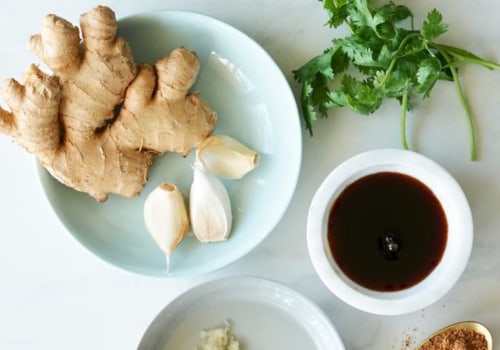
- Ingredients: 200g tempeh, mixed vegetables (bell peppers, broccoli, carrots), soy sauce, garlic, ginger.
- Instructions: Cut tempeh into strips and sauté with garlic and ginger until golden. Add vegetables and stir-fry until tender. Drizzle with soy sauce before serving.
- Tempeh Tacos:
- Ingredients: 200g crumbled tempeh, taco seasoning, tortillas, avocado, salsa.
- Instructions: Cook crumbled tempeh with taco seasoning until heated through. Serve in tortillas topped with avocado and salsa.
- Baked Tempeh Salad:
- Ingredients: 200g marinated baked tempeh, mixed greens, cherry tomatoes, cucumber, vinaigrette.
- Instructions: Bake marinated tempeh as described above.
Toss with greens and vegetables, then drizzle with vinaigrette before serving.
Frequently Asked Questions About Tempeh and Immunity
As tempeh gains popularity as a nutritious food option, many people have questions about its health benefits, particularly regarding its role in supporting the immune system. Below are some frequently asked questions that can help clarify the benefits of incorporating tempeh into your diet.1.What is tempeh?
Tempeh is a traditional Indonesian food made from fermented soybeans. The fermentation process not only enhances its nutritional profile but also makes it easier to digest compared to unfermented soy products.Tempeh is rich in protein, vitamins, and minerals, making it a popular choice for vegetarians and vegans.
2.Is tempeh good for immunity?
Yes, tempeh can be beneficial for the immune system. It contains essential nutrients such as vitamin B6, which is crucial for the production of white blood cells that help fight infections. Additionally, the probiotics found in tempeh support gut health, which is closely linked to immune function.3.How do probiotics in tempeh support immunity?
The probiotics present in tempeh contribute to a healthy gut microbiome. A balanced gut flora can enhance the body’s ability to respond to pathogens and reduce inflammation.This is vital because a significant portion of the immune system resides in the gut.
4.Can tempeh help reduce inflammation?
Indeed, tempeh contains isoflavones, which have been shown to possess anti-inflammatory properties. By reducing inflammation, tempeh can help alleviate symptoms associated with various health conditions and support overall immune health.5.How can I incorporate tempeh into my diet?
Tempeh is incredibly versatile and can be used in a variety of dishes. Here are some ideas:- Add it to stir-fries for a protein boost.
- Use it as a meat substitute in tacos or burgers.
- Incorporate it into salads for added texture and nutrition.
- Blend it into smoothies for an extra protein kick.
Conclusion: The Immune-Boosting Potential of Tempeh
In summary, tempeh emerges as a remarkable food that offers a multitude of benefits for the immune system.Its rich nutritional profile, which includes high-quality protein, essential vitamins, and minerals, plays a crucial role in bolstering the body's natural defenses. By incorporating tempeh into your diet, you can harness its potential to enhance immune function and overall health.One of the standout features of tempeh is its high content of antioxidants , which combat oxidative stress and protect cells from damage caused by free radicals. This protective effect is vital for maintaining a robust immune response. Furthermore, the presence of probiotics in tempeh contributes significantly to gut health, an essential aspect of immune function.
A healthy gut microbiome not only aids digestion but also supports the production of antibodies and enhances the body’s ability to fend off infections.Additionally, tempeh is a valuable source of vitamin B6 , which is instrumental in the production and maintenance of white blood cells. These cells are pivotal in identifying and neutralising pathogens that threaten our health. The inclusion of zinc in tempeh further amplifies its immune-boosting properties by promoting the proliferation of these vital immune cells.The anti-inflammatory properties of tempeh, attributed to its isoflavones, also play a significant role in reducing chronic inflammation, which can otherwise compromise immune function. By mitigating inflammation, tempeh helps create an environment conducive to optimal immune activity.Moreover, the high fibre content in tempeh not only supports digestive health but also fosters a balanced gut microbiome, which is essential for a well-functioning immune system.
A diet rich in fibre can help regulate blood sugar levels and reduce inflammation, further enhancing overall health.Incorporating tempeh into your meals is not only beneficial for your immune system but also adds versatility to your diet. Whether used in stir-fries, salads, or as a meat substitute in various dishes, tempeh can easily fit into any culinary repertoire.In conclusion, embracing tempeh as part of a balanced diet can significantly contribute to strengthening your immune system. Its unique combination of nutrients and health-promoting properties makes it an excellent choice for anyone looking to enhance their overall well-being and resilience against illness.