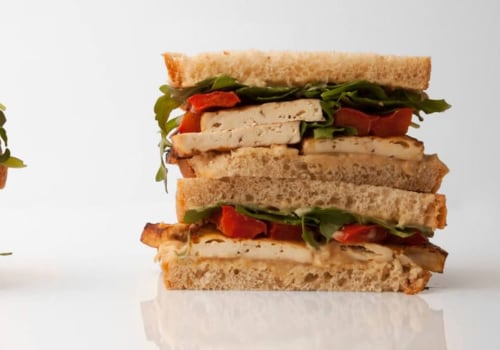
Tempeh is a traditional Indonesian food that has gained immense popularity in the global culinary scene, particularly among those embracing plant-based diets. Made from fermented soybeans, tempeh is not only a rich source of protein but also packed with essential nutrients, making it an excellent alternative to meat. Its unique texture and nutty flavour allow it to absorb marinades and spices beautifully, enhancing the overall taste of any dish it graces.The origins of tempeh can be traced back centuries to Indonesia, where it has been a staple in local diets. The fermentation process involved in its production not only preserves the soybeans but also enriches them with probiotics, which are beneficial for gut health.
This fermentation also breaks down the complex carbohydrates in soybeans, making tempeh easier to digest compared to other soy products. As a result, tempeh is often recommended for those looking to increase their protein intake without consuming animal products.In addition to its impressive nutritional profile, tempeh offers a myriad of health benefits. It is high in protein, containing about 19 grams per 100 grams, and is an excellent source of dietary fibre, vitamins, and minerals such as calcium and iron. Furthermore, tempeh is low in saturated fat and cholesterol-free, making it heart-healthy.
These attributes make it a popular choice not only for vegans and vegetarians but also for anyone seeking to incorporate more plant-based foods into their diet.Understanding how to cut and prepare tempeh effectively is crucial for maximising its potential in your meals. Whether you’re looking to grill, stir-fry, or bake it, knowing the right techniques can elevate your culinary creations. In the following sections, we will delve deeper into the methods of cutting and preparing tempeh, ensuring that you can enjoy this nutritious ingredient in all its glory.
Understanding Tempeh: Types and Varieties
Tempeh, a staple in Indonesian cuisine, has gained popularity worldwide as a nutritious and versatile plant-based protein. Understanding the different types of tempeh available can significantly enhance your culinary experience, allowing you to select the most suitable variety for your recipes.At its core, tempeh is made from fermented soybeans, but there are several variations that cater to diverse tastes and dietary preferences.Here are some of the most common types:
- Traditional Tempeh: This is the classic form of tempeh, made solely from whole soybeans. It has a firm texture and a nutty flavour, making it an excellent base for various dishes. Traditional tempeh is often used in stir-fries, salads, and sandwiches.
- Flavoured Tempeh: Many brands offer flavoured tempeh that has been marinated or seasoned with various spices and sauces. These varieties can include teriyaki, barbecue, or even spicy blends.
Flavoured tempeh is convenient for quick meals as it requires minimal preparation.
- Grain-Enhanced Tempeh: Some tempeh products incorporate grains such as brown rice, barley, or millet into the fermentation process. This not only adds unique flavours but also enhances the nutritional profile by increasing fibre and nutrient content.
- Vegetable-Infused Tempeh: This type includes vegetables mixed into the tempeh during production. Varieties may feature ingredients like spinach, beetroot, or herbs, providing additional vitamins and a burst of colour to your dishes.
- Organic Tempeh: For those who prioritise organic produce, many brands offer organic tempeh made from non-GMO soybeans without synthetic additives. This option appeals to health-conscious consumers looking for clean-label products.
- Texture: Different types of tempeh can vary in texture; traditional varieties tend to be firmer while flavoured options may be softer due to marinades.
- Taste: The flavour profile can range from mild to robust depending on the type of tempeh.
Experimenting with different varieties can help you discover which ones complement your favourite dishes best.
- Nutritional Content: Check labels for protein content and other nutrients, especially if you are using tempeh as a primary protein source in your meals.
Essential Tools for Cutting Tempeh
When it comes to cutting and preparing tempeh, having the right tools at your disposal can make all the difference. Not only do the appropriate kitchen tools enhance your efficiency, but they also ensure safety and precision during the preparation process. Below is a list of essential tools that will help you cut tempeh effectively.- Sharp Chef's Knife: A high-quality chef's knife is indispensable for cutting tempeh.
The sharp blade allows for clean, even cuts, which is crucial for achieving uniform pieces that cook evenly. Look for a knife with a comfortable grip to reduce hand fatigue during extended use.
- Cutting Board: A sturdy cutting board provides a safe surface for slicing tempeh. Opt for a non-slip board to prevent accidents while cutting. Wooden or plastic boards are both suitable; however, ensure that they are easy to clean and maintain.
- Kitchen Shears: For those who prefer an alternative to knives, kitchen shears can be an excellent option for cutting tempeh.
They are particularly useful for snipping tempeh into smaller pieces or strips without the need for a cutting board.
- Food Processor: If you’re looking to save time or achieve finely chopped tempeh, a food processor can be a game-changer. Cut the tempeh into manageable chunks before placing it in the processor, and pulse until you reach your desired consistency.
- Peeler: While not essential, a vegetable peeler can be handy if you want to remove any tough outer layers of tempeh before cutting. This step is optional but can enhance the texture of your final dish.
- Measuring Cups and Spoons: If you plan to marinate or season your tempeh before cooking, having measuring cups and spoons on hand will help you accurately measure out ingredients, ensuring consistent flavour in your dishes.
With the right tools in your kitchen arsenal, preparing tempeh will become a straightforward and enjoyable task.
How to Cut Tempeh: Step-by-Step Guide
Cutting tempeh may seem daunting at first, but with the right techniques and tools, you can achieve uniform pieces that will cook evenly and enhance your dishes. Here’s a detailed step-by-step guide on how to cut tempeh into various shapes, including cubes, strips, and slices.Step 1: Gather Your Tools
- A sharp chef's knife or a serrated knife
- A sturdy cutting board
- Optional: kitchen shears for added safety
- Paper towels for drying
Step 2: Prepare the Tempeh
Before cutting, it’s essential to prepare the tempeh properly. Start by removing the tempeh from its packaging and pat it dry with paper towels. This helps eliminate excess moisture, which can affect the texture when cooking.
Step 3: Decide on the Shape
Tempeh can be cut into various shapes depending on your recipe.
Here are some common options:
- Cubes: Ideal for stir-fries and salads.
- Strips: Great for grilling or adding to sandwiches.
- Slices: Perfect for layering in dishes or serving as a main component.
Step 4: Cutting Techniques
- Cubing Tempeh: Start by slicing the tempeh block into 1/2-inch thick slabs. Then, take each slab and cut it into equal strips, followed by cutting across those strips to create cubes. Aim for uniformity to ensure even cooking.
- Slicing Tempeh: For slices, simply cut the tempeh block into thin sheets, about 1/4-inch thick. This method is excellent for recipes where you want a more substantial texture.
- Stripping Tempeh: To create strips, slice the tempeh block lengthwise into 1/2-inch thick pieces.
These strips can be used in stir-fries or grilled as kebabs.
Step 5: Safety Tips
When cutting tempeh, always keep safety in mind:
- Use a sharp knife to reduce the risk of slipping.
- Keep your fingers tucked away from the blade while cutting.
- If using kitchen shears, ensure they are clean and sharp for effective cutting.
Preparing Tempeh: Marinating and Seasoning Techniques
To truly elevate the taste of tempeh, marinating and seasoning are essential steps that can transform this protein-rich ingredient into a flavourful delight. The fermentation process of tempeh gives it a unique nutty taste, but it can benefit immensely from additional flavours. Here, we will explore various techniques for marinating and seasoning tempeh, along with some delicious marinade recipes.Why Marinate Tempeh?
Marinating tempeh not only enhances its flavour but also helps to tenderise the texture, making it more enjoyable to eat.The porous nature of tempeh allows it to absorb marinades effectively, resulting in a dish that is bursting with flavour. A good marinade can also add moisture, which is particularly beneficial when cooking methods like baking or grilling are used.
Basic Marinade Components
A well-balanced marinade typically consists of three main components:- Acid: Ingredients like soy sauce, vinegar, or citrus juice help to tenderise the tempeh and add tanginess.
- Oil: Using oil in your marinade helps to coat the tempeh and lock in moisture during cooking.
- Flavourings: Herbs, spices, garlic, ginger, and sweeteners like maple syrup or agave can be added to create depth and complexity in flavour.
Marinade Recipes
Here are a few simple yet effective marinade recipes to get you started:- Soy-Ginger Marinade:
- 1/4 cup soy sauce
- 2 tablespoons sesame oil
- 1 tablespoon fresh ginger, grated
- 2 cloves garlic, minced
- 1 tablespoon maple syrup (optional)
- Lemon-Herb Marinade:
- Juice of 1 lemon
- 1/4 cup olive oil
- 1 teaspoon dried oregano
- 1 teaspoon dried thyme
- Salt and pepper to taste
- Curry Coconut Marinade:
- 1/2 cup coconut milk
- 2 tablespoons curry powder
- 1 tablespoon lime juice
- Salt to taste
How Long to Marinate Tempeh?
The duration of marination can vary depending on the recipe and personal preference. Generally, marinating for at least 30 minutes is recommended; however, for deeper flavour penetration, aim for 1-2 hours. If time allows, marinating overnight in the refrigerator can yield even more intense flavours.In conclusion, mastering the art of marinating and seasoning tempeh is key to unlocking its full potential.With these techniques and recipes at your disposal, you can create mouth-watering dishes that showcase this versatile ingredient beautifully.
Cooking Methods for Tempeh: A Comprehensive Overview
When it comes to cooking tempeh, there are several methods that can enhance its flavour and texture, making it a delightful addition to any meal. Each cooking technique offers unique benefits, allowing you to experiment and find the best way to prepare this versatile ingredient.Baking Tempeh
Baking is a straightforward method that yields a crispy texture while retaining the nutty flavour of tempeh. To bake tempeh:- Preheat your oven to 180°C (350°F).
- Slice the tempeh into 1/2-inch thick pieces or cubes.
- Line a baking tray with parchment paper for easy cleanup.
- Arrange the tempeh on the tray, ensuring they are spaced apart for even cooking.
- Drizzle with olive oil and season with your choice of spices or marinades.
- Bake for 20-25 minutes, flipping halfway through, until golden brown and crispy.
Grilling Tempeh
Grilling imparts a smoky flavour that complements the natural taste of tempeh beautifully. To grill tempeh:- Cut the tempeh into slices or cubes and marinate in your favourite sauce for at least 30 minutes.
- Preheat your grill or grill pan over medium-high heat.
- Add the marinated tempeh and grill for about 3-4 minutes on each side, or until you see nice grill marks and a slight char.
Stir-Frying Tempeh
Stir-frying is an excellent way to cook tempeh quickly while retaining its texture.Here’s how:
- Cut the tempeh into small cubes or strips.
- Heat a tablespoon of oil in a wok or large frying pan over high heat.
- Add the tempeh and stir-fry for about 5-7 minutes until golden brown.
- Add vegetables and sauces of your choice, continuing to stir-fry until everything is cooked through.
Steaming Tempeh
If you prefer a healthier option, steaming is an excellent choice. It helps maintain the nutritional value of tempeh while keeping it moist. To steam:- Cut the tempeh into slices or cubes.
- Place in a steamer basket over boiling water.
- Cover and steam for about 10-15 minutes until heated through.
Tempeh Recipes: Delicious Ways to Enjoy Your Preparation Skills
Now that you have mastered the art of cutting and preparing tempeh, it’s time to explore some delicious recipes that will allow you to showcase your culinary skills.These easy-to-follow dishes not only highlight the unique flavour and texture of tempeh but also make for satisfying meals that are perfect for any occasion.
1.Tempeh Stir-Fry
A quick and nutritious option, a tempeh stir-fry is perfect for busy weeknights. Here’s how to make it:- Ingredients: 200g tempeh, 2 cups mixed vegetables (bell peppers, broccoli, carrots), 2 tablespoons soy sauce, 1 tablespoon sesame oil, garlic, and ginger to taste.
- Instructions:
- Cut the tempeh into cubes and marinate in soy sauce for at least 15 minutes.
- Heat sesame oil in a large skillet or wok over medium-high heat.
- Add minced garlic and ginger, sautéing until fragrant.
- Add the marinated tempeh and cook until golden brown.
- Add mixed vegetables and stir-fry for about 5-7 minutes until tender-crisp.
- Serve hot over rice or noodles.
2.Tempeh Tacos
These tempeh tacos are a fantastic way to enjoy a plant-based twist on a classic dish.- Ingredients: 200g tempeh, taco seasoning, corn tortillas, avocado, salsa, and fresh cilantro.
- Instructions:
- Crumble the tempeh into small pieces and cook in a skillet over medium heat.
- Add taco seasoning and a splash of water; cook until heated through.
- Warm the corn tortillas in another pan or microwave.
- Assemble tacos by adding the cooked tempeh, sliced avocado, salsa, and cilantro on top.
- Enjoy with lime wedges for an extra zing!
3.Baked Tempeh with Maple Glaze
This sweet and savoury dish is perfect for impressing guests or enjoying as a comforting meal at home.- Ingredients: 200g tempeh, 3 tablespoons maple syrup, 2 tablespoons soy sauce, 1 tablespoon olive oil, and your choice of spices (like paprika or garlic powder).
- Instructions:
- Preheat your oven to 180°C (350°F).
- Slice the tempeh into thin strips and place them on a baking sheet lined with parchment paper.
- In a bowl, mix maple syrup, soy sauce, olive oil, and spices. Brush this mixture over the tempeh slices.
- Bake for 25-30 minutes, flipping halfway through until caramelised and crispy.
- Serve with steamed vegetables or on a bed of quinoa.
Happy cooking!
Common Mistakes When Cutting and Preparing Tempeh
When it comes to cutting and preparing tempeh, even seasoned cooks can make mistakes that affect the final dish. Understanding these common pitfalls can help you achieve better results and enjoy the full potential of this nutritious ingredient. Here are some frequent errors to avoid:- Not Using a Sharp Knife: A dull knife can make cutting tempeh more difficult and lead to uneven pieces. Always ensure your knife is sharp to achieve clean cuts, which will help the tempeh cook evenly.
- Ignoring the Texture: Tempeh has a firm texture that can be challenging to cut if not handled properly.
If you find it difficult to slice, consider steaming it for a few minutes first. This softens the tempeh slightly, making it easier to cut without crumbling.
- Cutting Without a Stable Surface: Failing to use a cutting board can lead to accidents and uneven cuts. Always use a stable, flat surface when cutting tempeh to ensure safety and precision.
- Overlooking Marination: Many people prepare tempeh without marinating it first, which can result in bland dishes. Take the time to marinate your tempeh in your favourite sauces or spices for at least 30 minutes before cooking.
This enhances its flavour significantly.
- Not Drying the Tempeh: After cutting, it's essential to pat the tempeh dry with a paper towel, especially if you plan to fry or bake it. Excess moisture can prevent proper browning and lead to a soggy texture.
- Using Incorrect Cooking Methods: Some may attempt to cook tempeh without considering the best methods for their desired outcome. For instance, grilling or frying works well for achieving a crispy texture, while steaming is better for retaining moisture and nutrients. Choose your cooking method based on the dish you are preparing.
- Failing to Experiment: Many cooks stick to basic preparations without exploring different flavours and textures.
Don’t hesitate to try various marinades, spices, or cooking techniques. Experimentation can lead to delightful discoveries!
Frequently Asked Questions About Tempeh Preparation
When it comes to preparing tempeh, many people have questions about the best practices and techniques to ensure a delicious outcome. Below are some frequently asked questions that can help demystify the process of working with this nutritious ingredient.1.Do I need to cook tempeh before eating it?
While tempeh is fermented and can technically be eaten raw, it is highly recommended to cook it before consumption.Cooking enhances its flavour, texture, and digestibility. Additionally, cooking allows you to incorporate various seasonings and marinades that can elevate your dishes.
2.How should I store tempeh?
Unopened tempeh can be stored in the refrigerator for up to a week. Once opened, it’s best to consume it within a few days. To extend its shelf life, you can freeze tempeh.Just make sure to wrap it tightly in plastic wrap or place it in an airtight container before freezing. When ready to use, thaw it in the refrigerator overnight.
3.What is the best way to marinate tempeh?
Marinating tempeh is a fantastic way to infuse it with flavour. To do this, cut the tempeh into your desired shape—slices, cubes, or strips—and place it in a shallow dish or resealable bag. Prepare a marinade using ingredients like soy sauce, garlic, ginger, and your choice of spices.Allow the tempeh to marinate for at least 30 minutes; for deeper flavour, marinate for several hours or overnight in the refrigerator.
4.Can I steam tempeh?
Yes, steaming is an excellent method for preparing tempeh as it helps retain its nutrients while softening its texture. To steam tempeh, cut it into slices or cubes and place it in a steamer basket over boiling water. Cover and steam for about 10-15 minutes until heated through. You can then proceed to sauté or grill the steamed tempeh for added flavour.5.How do I know when tempeh is bad?
Fresh tempeh should have a firm texture and a pleasant nutty aroma.If you notice any off-putting smells, unusual colours (like dark spots), or a slimy texture, it's best to discard it as these are signs of spoilage.By addressing these common queries about tempeh, you can feel more confident in your ability to prepare this versatile ingredient and enjoy its many health benefits.
Conclusion: Mastering Tempeh Preparation for Culinary Success
In conclusion, mastering the art of cutting and preparing tempeh is an essential skill for anyone looking to enhance their culinary repertoire, especially for those embracing a plant-based lifestyle. Throughout this article, we have explored various techniques and methods that not only simplify the preparation process but also elevate the flavour and texture of this nutritious ingredient.To recap, the first step in your tempeh journey is understanding how to cut it effectively. Using a sharp knife or kitchen shears ensures clean cuts, whether you prefer cubes, strips, or larger chunks. Remember to keep safety in mind by using a stable cutting board and keeping your fingers clear of the blade.Once you have your tempeh cut to your desired shape, the next phase is preparation for cooking.Patting it dry helps remove excess moisture, which is crucial for achieving that perfect crispy texture when frying or baking. Additionally, marinating tempeh in your favourite sauces or spices can significantly enhance its flavour profile, making it a delightful addition to any dish.We also discussed various cooking methods, including baking, grilling, stir-frying, and steaming. Each method offers unique benefits and can be tailored to suit different recipes and personal preferences. For instance:
- Baking provides a hands-off approach that yields crispy results.
- Grilling adds a smoky flavour that complements many dishes.
- Stir-frying allows for quick cooking while retaining nutrients.
- Steaming preserves the natural taste and health benefits of tempeh.
The versatility of tempeh means it can adapt to a wide range of flavours—from spicy to sweet—making it an exciting ingredient to work with.Ultimately, the key takeaway is to embrace the process of cutting and preparing tempeh as an opportunity for creativity in the kitchen. With practice and experimentation, you will discover new ways to incorporate this protein-rich food into your meals. So gather your ingredients, sharpen your knives, and start exploring the wonderful world of tempeh!.