Steaming is a culinary technique that has been embraced across cultures for centuries, celebrated for its ability to cook food quickly while preserving its natural flavours, textures, and nutrients. This method involves cooking food using steam generated from boiling water, allowing it to cook evenly without direct contact with the water. As a result, steaming is not only a practical cooking method but also a health-conscious choice, making it increasingly relevant in today’s fast-paced world where nutrition is paramount.The benefits of steaming are manifold. Firstly, it significantly reduces the need for added fats or oils, making it an ideal cooking method for those looking to maintain a healthy diet.
Steamed foods retain more vitamins and minerals compared to other cooking methods such as boiling or frying, as they are not submerged in water that can leach away nutrients. Furthermore, steaming enhances the natural colours and flavours of ingredients, making meals visually appealing and delicious without the need for excessive seasoning.One ingredient that particularly shines when steamed is tempeh, a fermented soy product that is rich in protein and probiotics. Steaming tempeh not only softens its texture but also allows it to absorb flavours from marinades or accompanying ingredients more effectively. This makes it an excellent addition to various dishes, from stir-fries to salads.
In this guide, we will delve deeper into the art of steaming, exploring techniques, equipment options, and how to perfectly steam different types of food, including the versatile tempeh.As we embark on this journey into the world of steaming, you will discover how this simple yet effective cooking method can transform your meals into healthy and flavourful experiences. Whether you are a seasoned chef or a novice in the kitchen, mastering the art of steaming will undoubtedly enhance your culinary repertoire.
Understanding Steaming: The Basics
Steaming is a cooking method that utilises the heat from steam to cook food, making it a popular choice for those seeking a healthier way to prepare meals. The process begins with boiling water, which generates steam. This steam then envelops the food, cooking it evenly while retaining moisture and nutrients.Unlike boiling, where food is submerged in water, steaming allows for a gentler cooking process that helps preserve the integrity of the ingredients.There are several methods of steaming, each with its own unique advantages:
- Bamboo Steamers: These traditional steamers are made from woven bamboo and are often used in Asian cuisine. They allow for multiple layers of food to be steamed simultaneously, making them ideal for preparing dumplings, vegetables, and fish.
- Electric Steamers: These appliances offer convenience and efficiency. With adjustable timers and settings, electric steamers can handle a variety of foods, from grains to meats, with minimal supervision.
- Stovetop Steamers: Typically made of metal or silicone, these steamers fit over pots and pans. They are versatile and can be used with any pot that has a lid, making them a practical choice for many kitchens.
- Microwave Steamers: Designed specifically for microwave use, these containers allow for quick steaming without the need for additional pots or pans.
They are perfect for busy individuals looking to prepare healthy meals in a hurry.
- Nutrient Retention: Steaming helps preserve vitamins and minerals that can be lost during other cooking methods, such as boiling or frying. This makes it an excellent choice for vegetables and delicate proteins.
- Lower Fat Content: Since steaming does not require oil or fat, it results in lower-calorie meals. This is particularly beneficial for those looking to maintain a healthy diet.
- Enhanced Flavour: Steaming allows the natural flavours of food to shine through without the interference of added fats or seasonings.
This method is especially effective for ingredients like fish and vegetables.
- Easy Digestion: Steamed foods are often easier on the digestive system compared to fried or heavily seasoned dishes, making them suitable for individuals with sensitive stomachs.
The Health Benefits of Steaming
Steaming is not just a cooking method; it is a pathway to healthier eating. One of the most significant health benefits of steaming is its ability to preserve the nutritional value of food. Unlike boiling, where nutrients can leach into the water, steaming allows food to retain vitamins and minerals, making it a superior choice for health-conscious individuals.When vegetables are steamed, they maintain their vibrant colours and crisp textures, which are often indicators of their nutrient content.For instance, steaming broccoli can help retain up to 90% of its vitamin C content, compared to boiling, which can reduce it by as much as 50%. This preservation of nutrients is crucial for those looking to maximise their intake of essential vitamins and minerals.In addition to nutrient retention, steaming also contributes to lower calorie consumption. Foods prepared through steaming typically require little to no added fats or oils, making them a lower-calorie option compared to frying or sautéing. This is particularly beneficial for individuals aiming to manage their weight or reduce their fat intake.
For example, a serving of steamed vegetables contains significantly fewer calories than the same vegetables fried in oil.Moreover, steaming enhances the digestibility of food. The gentle cooking process breaks down tough fibres in vegetables and proteins in meats, making them easier for the body to digest. This can be especially advantageous for individuals with digestive issues or those recovering from illness.When comparing steaming with other cooking methods such as frying or grilling, the advantages become even clearer. Frying often introduces unhealthy trans fats and increases calorie counts, while grilling can lead to the formation of harmful compounds due to high temperatures.
In contrast, steaming maintains the integrity of food without introducing any harmful substances.In summary, the health benefits of steaming are manifold. From preserving essential nutrients and lowering calorie content to enhancing digestibility and avoiding harmful compounds, steaming stands out as a healthy cooking method that supports overall well-being. By incorporating steamed foods into your diet, you can enjoy delicious meals that are not only satisfying but also nourishing.
Choosing the Right Steamer for Your Kitchen
When it comes to steaming, selecting the right steamer for your kitchen can significantly enhance your cooking experience. With various options available, understanding the differences between them will help you make an informed decision that suits your culinary needs.Types of Steamers
- Electric Steamers: These are perhaps the most convenient option for home cooks.
Electric steamers come with built-in heating elements that allow for precise temperature control and consistent steam production. They often feature multiple tiers, enabling you to cook several dishes simultaneously. This is particularly useful for meal prepping or when entertaining guests.
- Bamboo Steamers: A traditional choice, bamboo steamers are ideal for those who prefer a more natural cooking method. They are typically stackable, allowing you to steam different foods at once without mixing flavours.
Bamboo steamers require a pot or wok to generate steam, making them versatile but slightly less convenient than electric models.
- Multi-Cookers: These versatile appliances combine several cooking methods in one device, including steaming, sautéing, and slow cooking. Multi-cookers are perfect for those who want an all-in-one solution in their kitchen. They often come with a steaming basket and can be programmed for various cooking times and temperatures.
Best Steamers for Home Use
When choosing a steamer, consider factors such as capacity, ease of use, and cleaning requirements. For families or those who frequently entertain, an electric steamer with multiple tiers may be the best option.On the other hand, if you enjoy Asian cuisine or want to maintain a traditional approach to cooking, a bamboo steamer could be more suitable.
Electric vs Bamboo Steamers
The choice between electric and bamboo steamers often comes down to personal preference and cooking style. Electric steamers offer convenience and speed, making them ideal for busy lifestyles. They also typically have timers and automatic shut-off features for added safety.Bamboo steamers, while requiring more attention during cooking, provide a unique flavour profile that many chefs appreciate. The porous nature of bamboo allows for better moisture retention and can enhance the taste of certain dishes.Ultimately, the best steamer for your kitchen will depend on your cooking habits and preferences.By understanding the advantages of each type, you can select a steamer that not only meets your needs but also elevates your culinary creations.
How to Steam Food: A Step-by-Step Guide
Steaming is a straightforward yet effective cooking method that can elevate the taste and nutritional value of your meals. Here’s a detailed guide on how to steam food properly, ensuring you achieve perfect results every time.Preparing Your Ingredients
Before you start steaming, it’s essential to prepare your ingredients correctly. Here are some tips:- Vegetables: Wash and cut them into uniform pieces. This ensures even cooking.
For example, carrots should be sliced into similar thicknesses to ensure they cook at the same rate.
- Fish and Seafood: Rinse under cold water and pat dry. If using fillets, consider placing them on a perforated tray or in a steamer basket to allow steam to circulate effectively.
- Meat: Cut into smaller pieces for quicker cooking. Marinating beforehand can enhance flavour.
Choosing the Right Steamer
Selecting the appropriate steamer is crucial for successful steaming. You can choose from:- Bamboo Steamers: Ideal for traditional steaming, allowing multiple layers of food to be cooked simultaneously.
- Electric Steamers: Convenient and efficient, perfect for those who want a hassle-free experience.
- Stovetop Steamers: Versatile and can be used with any pot that has a lid.
Steaming Process
Follow these steps for effective steaming:- Add Water: Fill your steamer pot with enough water to create steam but not so much that it touches the food.
Generally, 1-2 inches of water is sufficient.
- Bring to a Boil: Heat the water until it reaches a rolling boil. This is crucial as it ensures that the steam generated is hot enough to cook your food properly.
- Add Food: Place your prepared ingredients in the steamer basket or tray. Ensure they are not overcrowded; this allows steam to circulate freely around each piece.
- Cover and Steam: Place the lid on your steamer tightly to trap the steam inside. Cooking times will vary based on the type of food being steamed.
Cooking Times for Steaming
The cooking time will depend on what you are steaming.Here are some general guidelines:
- Vegetables: Most vegetables take between 5-15 minutes. For instance, broccoli florets typically require about 5-7 minutes, while carrots may take around 10-12 minutes.
- Fish: Thin fillets usually take about 6-10 minutes, while thicker cuts may require up to 15 minutes.
- Poultry: Chicken pieces can take anywhere from 20-30 minutes depending on their size.
Steaming Tempeh: Techniques and Recipes
Tempeh, a traditional Indonesian soy product, is not only a fantastic source of protein but also a versatile ingredient that can be easily incorporated into various dishes. Steaming tempeh is an excellent way to enhance its flavour and texture while preserving its nutritional benefits.Here’s how to prepare and steam tempeh effectively, along with some delicious recipes to inspire your culinary adventures.
How to Steam Tempeh
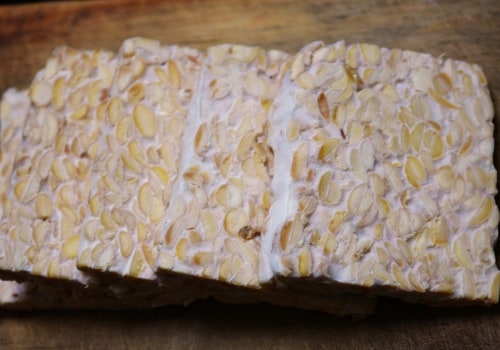
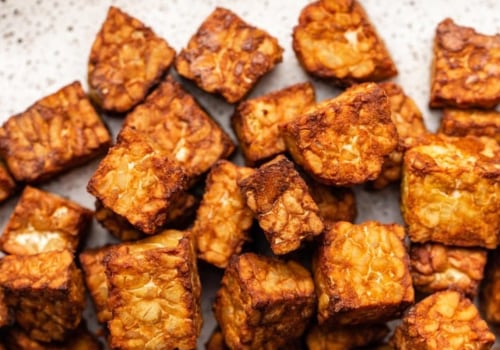
Steaming tempeh is a straightforward process that helps to soften its texture and make it more palatable. Follow these steps for perfect steamed tempeh:- Preparation: Start by slicing the tempeh into even pieces, about half an inch thick. This ensures that it cooks evenly. You can also cut it into cubes or strips, depending on your recipe.
- Marination (optional): For added flavour, consider marinating the sliced tempeh in a mixture of soy sauce, garlic, ginger, or your favourite spices for at least 30 minutes before steaming.
- Set up your steamer: Fill a pot with water and bring it to a boil.
If you’re using a bamboo steamer, line it with parchment paper or cabbage leaves to prevent sticking.
- Steam the tempeh: Place the tempeh slices in the steamer basket, ensuring they are not overcrowded. Cover and steam for about 10-15 minutes. This will help to soften the tempeh and infuse it with any marinade flavours.
- Check for doneness: The tempeh should be tender but still hold its shape. Remove it from the steamer and let it cool slightly before using it in your recipes.
Delicious Tempeh Recipes
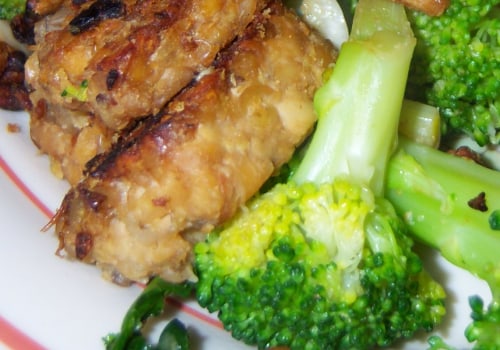
Now that you know how to steam tempeh, here are some delightful recipes that showcase this nutritious ingredient:- Steamed Tempeh Stir-Fry: After steaming, toss the tempeh with your choice of vegetables such as bell peppers, broccoli, and carrots.
Add soy sauce, sesame oil, and ginger for a quick stir-fry that’s packed with flavour.
- Tempeh Salad: Combine steamed tempeh cubes with mixed greens, cherry tomatoes, cucumber, and avocado. Drizzle with a tangy vinaigrette for a refreshing salad.
- Tempeh Tacos: Use steamed tempeh as a filling for tacos. Add toppings like salsa, guacamole, and shredded cabbage for a satisfying meal.
Additionally, steaming helps retain these nutrients while enhancing the overall taste of the tempeh.In conclusion, steaming is an effective method for preparing tempeh that maximises its flavour and health benefits. With these techniques and recipes at your disposal, you can easily enjoy this nutritious ingredient in various delicious ways.
Creative Uses for Steamed Foods
Steaming is not just a cooking method; it opens up a world of culinary creativity. By incorporating steamed foods into your meals, you can enhance flavours, textures, and nutritional value. Here are some innovative ways to use steamed ingredients that will inspire your next culinary adventure.1.Steamed Vegetable Medley
A vibrant medley of steamed vegetables can serve as a delightful side dish or a base for a main course.Combine broccoli, carrots, and bell peppers, and steam them until tender yet crisp. To elevate the dish, drizzle with a homemade lemon-tahini dressing or sprinkle with toasted sesame seeds for added crunch.
2.Tempeh Stir-Fry
Tempeh is an excellent source of protein and works beautifully when steamed before being added to stir-fries. Steam slices of tempeh for about 10 minutes to enhance its texture and flavour absorption. Then, toss it in a hot wok with your choice of vegetables and a splash of soy sauce or teriyaki sauce for a quick and nutritious meal.3.Steamed Dumplings
Steamed dumplings are a popular dish in many cultures.You can fill them with a variety of ingredients such as minced meat, vegetables, or even sweet fillings like red bean paste. Use wonton wrappers to encase your filling, then steam until cooked through. Serve with soy sauce or a spicy dipping sauce for an appetising starter.
4.Meal Prep with Steamed Foods
Steaming is an excellent technique for meal prep, allowing you to prepare multiple components in one go. For instance, steam a batch of quinoa alongside seasonal vegetables and protein sources like chicken or chickpeas.Portion them into containers for easy grab-and-go lunches throughout the week.
5.Steamed Fish with Herbs
For a light and healthy dinner option, consider steaming fish fillets with fresh herbs and lemon slices. This method infuses the fish with aromatic flavours while keeping it moist and flaky. Serve it over a bed of steamed greens or alongside brown rice for a complete meal.6.Sweet Steamed Treats
Don’t forget about dessert! Steamed puddings or cakes can be incredibly moist and flavourful. Try making a traditional British sponge pudding by steaming it in a basin for an hour or so.Serve warm with custard for a comforting finish to your meal.Incorporating steamed foods into your cooking not only enhances the nutritional profile of your meals but also allows for endless creativity in the kitchen. Whether you’re preparing simple sides or elaborate dishes, steaming can transform ordinary ingredients into extraordinary meals.
Common Mistakes When Steaming and How to Avoid Them
Steaming is a fantastic cooking method that can yield delicious and nutritious results, but it’s not without its challenges. Many home cooks encounter common pitfalls that can lead to less-than-ideal outcomes. Here, we’ll explore these mistakes and provide practical tips to help you steam food successfully.1.Not Using Enough Water
One of the most frequent mistakes is failing to use an adequate amount of water in the steamer.
Insufficient water can lead to the steamer running dry, which not only affects cooking times but can also damage your equipment. Always ensure that there is enough water in the pot to generate steam throughout the cooking process.
2.Overcrowding the Steamer
While it may be tempting to steam multiple items at once, overcrowding the steamer can prevent proper circulation of steam. This can result in uneven cooking and some items being undercooked while others may become overcooked. To avoid this, steam in batches or use a multi-tiered steamer that allows for adequate spacing between items.
3.Ignoring Cooking Times
Each type of food has its own ideal steaming time.
Ignoring these guidelines can lead to overcooked or undercooked dishes. For instance, vegetables like broccoli may only need 5-7 minutes, while denser foods like potatoes may require 15-20 minutes. Always refer to a reliable recipe or steaming guide for accurate cooking times.
4.Not Preparing Food Properly
Preparation is key when it comes to steaming. Failing to cut vegetables into uniform sizes can result in uneven cooking.
Similarly, not rinsing grains or legumes before steaming can lead to a gritty texture. Take the time to prepare your ingredients properly by washing, peeling, and cutting them into even pieces.
5.Skipping Seasoning
Steamed food can sometimes lack flavour if not seasoned properly. While steaming preserves the natural taste of ingredients, adding herbs, spices, or marinades before steaming can enhance the overall flavour profile of your dish. Consider marinating proteins like tempeh or fish beforehand for a more robust taste.
6.Not Monitoring Water Levels
During longer steaming sessions, it’s essential to check water levels periodically.
If you notice that the water is evaporating too quickly, add more hot water as needed to maintain steam production without interrupting the cooking process.
7.Using the Wrong Equipment
The type of steamer you use can significantly impact your results. For example, using a metal steamer basket on high heat may cause food to stick and burn. Opt for a bamboo steamer or silicone insert for better results with delicate items like fish or dumplings.By being aware of these common mistakes and implementing these tips, you can enhance your steaming technique and enjoy perfectly cooked meals every time.
Conclusion: Mastering the Art of Steaming Tempeh and Beyond
In conclusion, mastering the art of steaming, particularly with ingredients like tempeh, opens up a world of culinary possibilities that are both healthy and delicious. Throughout this guide, we have explored the numerous benefits of steaming, including its ability to preserve the natural flavours, textures, and nutrients of food.This cooking method not only enhances the taste of your meals but also contributes to a healthier lifestyle by reducing fat and calorie intake.Tempeh, a fermented soy product, is an excellent candidate for steaming due to its unique texture and ability to absorb flavours. By steaming tempeh, you can achieve a tender consistency while allowing it to soak up marinades and seasonings effectively. This method is particularly beneficial for those looking to incorporate more plant-based proteins into their diet.As you experiment with steaming, consider the following key points:
- Choose the Right Equipment: Whether you opt for a traditional bamboo steamer or an electric model, ensure it suits your cooking style and kitchen space.
- Prepare Ingredients Properly: Cut vegetables and tempeh into uniform pieces to ensure even cooking. This attention to detail will enhance the overall quality of your dishes.
- Monitor Cooking Times: Different ingredients require varying cooking times.
Familiarise yourself with these to avoid overcooking or undercooking your food.
- Experiment with Flavours: Steaming does not mean sacrificing taste. Use herbs, spices, and marinades to infuse your dishes with exciting flavours.
The versatility of steaming allows for endless culinary creativity.Ultimately, embracing steaming as a primary cooking technique can lead to healthier eating habits while still enjoying vibrant and flavourful meals. So gather your ingredients, fire up your steamer, and embark on a delicious journey towards mastering the art of steaming!.