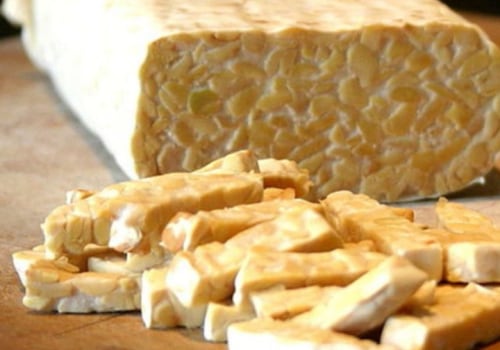
Soy sauce and tamari are two essential ingredients that have become staples in kitchens around the world, particularly in Asian cuisine. Both are derived from fermented soybeans, but their distinct characteristics and flavour profiles set them apart. Understanding these differences is crucial for anyone looking to enhance their culinary creations, especially when it comes to marinades that can elevate dishes like tempeh to new heights.Soy sauce, with its origins tracing back over 2,500 years to China, is made through a fermentation process involving soybeans, wheat, salt, and water. This combination results in a rich, salty flavour with a hint of sweetness and a deep umami taste that can transform any dish.
The fermentation process not only develops its complex flavour but also contributes to its versatility in various culinary applications. On the other hand, tamari is a Japanese variant of soy sauce that is typically gluten-free, as it is made primarily from fermented soybeans and contains little to no wheat. This gives tamari a thicker consistency and a more robust umami flavour, making it an excellent choice for those seeking a gluten-free alternative or a richer taste.When it comes to marinades, the choice between soy sauce and tamari can significantly impact the final dish. For instance, when marinating tempeh—a protein-rich food made from fermented soybeans—using tamari can enhance its natural flavours without overpowering them.
The depth of flavour provided by tamari complements the nutty notes of tempeh beautifully, while soy sauce can add a more pronounced saltiness that may be better suited for heartier proteins like beef or pork. Understanding these nuances allows cooks to tailor their marinades effectively, ensuring that each ingredient shines through.
The Ingredients Behind Soy Sauce and Tamari
To truly appreciate the distinct flavours of soy sauce and tamari, it is essential to understand the specific ingredients that comprise these two condiments, as well as the fermentation process that transforms them into the rich, umami-packed sauces we know today.Soy Sauce Ingredients
- Soybeans: The primary ingredient in soy sauce, soybeans are rich in protein and provide the base for its flavour. They undergo a fermentation process that breaks down their proteins into amino acids, contributing to the sauce's umami taste.
- Wheat: Most traditional soy sauces include wheat, which adds a subtle sweetness and complexity to the flavour profile. The presence of wheat also affects the texture, making soy sauce thinner compared to tamari.
- Salt: Essential for both flavour and preservation, salt plays a crucial role in the fermentation process.
It inhibits unwanted bacteria while allowing beneficial microorganisms to thrive, resulting in a safe and flavourful product.
- Water: Water is necessary for dissolving the ingredients and facilitating fermentation. The quality of water can influence the final taste of the soy sauce.
Tamari Ingredients
- Soybeans: Like soy sauce, tamari is primarily made from fermented soybeans. However, it typically contains little to no wheat, making it a suitable option for those with gluten sensitivities.
- Salt: Similar to soy sauce, salt is a key ingredient in tamari. It not only enhances flavour but also aids in the fermentation process by controlling microbial growth.
- Water: Water is also used in tamari production, helping to create a balanced consistency and aiding in fermentation.
The Fermentation Process
The fermentation process for both soy sauce and tamari involves several stages.
Initially, cooked soybeans are mixed with roasted wheat (for soy sauce) or left as is (for tamari) and inoculated with specific moulds. This mixture is then allowed to ferment for several days. Following this initial stage, the mixture is combined with brine (saltwater) and fermented further with the help of bacteria and yeasts. This dual fermentation process not only develops complex flavours but also enhances the nutritional profile of both sauces by increasing amino acid availability.In conclusion, understanding the ingredients and fermentation processes behind soy sauce and tamari provides valuable insight into their unique flavours.
Whether you choose soy sauce or tamari for your marinades, knowing what goes into these condiments can help you make informed decisions about how to best utilise them in your culinary creations.
Flavor Profiles: Soy Sauce vs. Tamari
When it comes to marinades, understanding the flavor profiles of soy sauce and tamari is essential, especially when pairing them with ingredients like tempeh. Both condiments offer unique taste experiences that can significantly influence the overall flavour of your dishes.Soy Sauce
is renowned for its complex flavour, which is primarily characterised by a strong umami taste. This savoury profile is derived from the fermentation process of soybeans and wheat, resulting in a rich, salty base that can enhance the natural flavours of various ingredients.
The sweetness in soy sauce is subtle but present, often described as a balancing note that complements its saltiness. This makes soy sauce particularly effective in marinades for heartier proteins like beef or pork, where its robust flavour can stand up to the meat's richness.On the other hand, Tamari presents a slightly different flavour experience. While it also boasts a deep umami taste, tamari tends to be less salty than traditional soy sauce and often has a more pronounced sweetness. This is due to its unique fermentation process, which typically involves fewer grains (or none at all in gluten-free varieties).
The result is a thicker consistency and a more intense flavour that can add depth to marinades without overwhelming the dish. Tamari's mellow profile makes it an excellent choice for lighter proteins such as fish or plant-based options like tempeh, allowing the natural flavours of these ingredients to shine through.When marinating tempeh, the choice between soy sauce and tamari can greatly affect the final dish. If you desire a more pronounced salty kick with a hint of sweetness, soy sauce may be your go-to. However, if you prefer a richer umami experience with less saltiness, tamari could be the better option.
Additionally, tamari's thicker texture allows it to cling to tempeh more effectively, ensuring that each bite is infused with flavour.In summary, both soy sauce and tamari offer distinct flavour profiles that can enhance your marinades. Understanding these differences will help you make informed choices when preparing dishes featuring tempeh, allowing you to create delicious and well-balanced meals.
Nutritional Aspects of Soy Sauce and Tamari
When considering the nutritional aspects of soy sauce and tamari, it is essential to understand their composition and how they can contribute to a balanced diet, especially when marinating tempeh. Both condiments are derived from fermented soybeans, but their nutritional profiles differ slightly due to the presence or absence of wheat in their formulations.Nutritional Value of Soy Sauce
- Sodium Content: Soy sauce is known for its high sodium content, which can be a concern for those monitoring their salt intake. A typical serving (about 15ml) contains approximately 900-1000 mg of sodium, which is about 40% of the recommended daily limit.
- Amino Acids: Soy sauce is rich in amino acids, particularly glutamic acid, which contributes to its umami flavour.
It also contains small amounts of other essential amino acids that are beneficial for muscle repair and overall health.
- Vitamins and Minerals: While soy sauce does not provide significant amounts of vitamins and minerals, it does contain trace elements such as manganese and iron.
Nutritional Value of Tamari
- Sodium Content: Tamari generally has a similar sodium level to soy sauce, but some varieties are lower in sodium, making them a preferable option for those seeking to reduce salt intake.
- Amino Acids: Like soy sauce, tamari is also rich in amino acids. However, it often contains a higher concentration of certain amino acids due to its fermentation process, which can enhance its nutritional benefits.
- Gluten-Free Option: One of the significant advantages of tamari is that it is typically gluten-free, making it suitable for individuals with gluten sensitivities or celiac disease.
Health Benefits
The health benefits of incorporating soy sauce or tamari into your marinades extend beyond flavour enhancement. The amino acids present in both condiments play a crucial role in various bodily functions:
- Muscle Repair: Amino acids are vital for muscle recovery and growth, making these sauces beneficial for those who engage in regular physical activity.
- Digestive Health: The fermentation process involved in producing both soy sauce and tamari can promote gut health by introducing beneficial probiotics into the diet.
- Antioxidant Properties: Some studies suggest that fermented soy products may have antioxidant properties that help combat oxidative stress in the body.
Understanding their nutritional profiles can help you make informed choices that align with your health goals.
Using Soy Sauce and Tamari in Marinades for Tempeh
Tempeh, a fermented soybean product, is a fantastic canvas for marinades, particularly those made with soy sauce or tamari. Both ingredients not only enhance the flavour of tempeh but also contribute to its tender texture. Understanding how to effectively use these condiments in your marinades can elevate your dishes significantly.When marinating tempeh, the key is to balance the flavours and ensure that the marinade penetrates the dense texture of the tempeh. Here are some practical tips for creating delicious marinades:- Ratio of Ingredients: A good starting point for a marinade is a ratio of 2:1:1.This means two parts soy sauce or tamari, one part acid (like rice vinegar or lime juice), and one part oil (such as sesame or olive oil).
This combination provides a well-rounded flavour profile that complements the nutty taste of tempeh.
- Marinating Time: Tempeh benefits from longer marinating times due to its firm texture. Aim for at least 30 minutes, but for optimal flavour, marinate for 2-4 hours or even overnight in the refrigerator. This allows the flavours to fully infuse into the tempeh.
- Complementary Ingredients: Enhance your marinade by adding complementary ingredients such as minced garlic, ginger, or fresh herbs like cilantro or basil. These additions can provide depth and complexity to your marinade.
- Cooking Methods: After marinating, tempeh can be grilled, sautéed, or baked.
Each method will yield different textures and flavours. For instance, grilling can add a smoky char that pairs beautifully with the umami notes from soy sauce or tamari.
- Soy Sauce Marinade:
- 1/4 cup soy sauce
- 2 tablespoons rice vinegar
- 2 tablespoons sesame oil
- 1 tablespoon minced garlic
- 1 tablespoon grated ginger
- Tamari Marinade:
- 1/4 cup tamari
- 2 tablespoons lime juice
- 2 tablespoons olive oil
- 1 tablespoon maple syrup (for sweetness)
- 1 teaspoon crushed red pepper flakes (for heat)
Comparative Uses: When to Choose Soy Sauce or Tamari?
When it comes to marinating tempeh, the choice between soy sauce and tamari can significantly influence the final flavour and texture of your dish. Understanding when to use each ingredient is essential for achieving the desired results in your culinary creations.Using Soy Sauce with Tempeh
Soy sauce is an excellent choice for marinating tempeh when you want to impart a robust, salty flavour.
Its thinner consistency allows it to penetrate the tempeh more quickly, making it ideal for shorter marinating times. Here are some scenarios where soy sauce shines:
- Quick Marinades: If you're short on time, a quick soak in soy sauce can enhance the flavour of tempeh in as little as 30 minutes.
- Stir-Fries: When preparing stir-fries, soy sauce can be added directly to the pan, allowing the tempeh to absorb its salty goodness while cooking.
- Asian-Inspired Dishes: For recipes that require a traditional Asian flavour profile, such as teriyaki or fried rice, soy sauce is often the go-to option.
Choosing Tamari for Tempeh
Tamari, being gluten-free and richer in umami, is particularly suited for those looking for a deeper flavour without the wheat content. Here are some instances where tamari may be preferable:
- Longer Marination: Tamari's thicker consistency means it clings to tempeh better, making it ideal for longer marination periods. Allowing tempeh to soak in tamari for several hours or overnight can yield a more intense flavour.
- Gluten-Free Recipes: If you're catering to gluten-sensitive individuals, tamari is a safe alternative that still provides a rich taste.
- Grilling or Roasting: When grilling or roasting tempeh, tamari can create a beautiful glaze that enhances both flavour and appearance.
Culinary Tips for Marinating Tempeh
No matter which ingredient you choose, here are some tips to maximise the flavour of your marinades:
- Balance Flavours: Consider adding sweeteners like honey or maple syrup to your marinade to balance out the saltiness of soy sauce or tamari.
- Add Aromatics: Incorporate garlic, ginger, or herbs into your marinade for added depth and complexity.
- Experiment with Ratios: Don’t hesitate to adjust the ratio of soy sauce or tamari based on your personal taste preferences and dietary needs.
By understanding the unique properties of each ingredient, you can make informed decisions that elevate your dishes and satisfy your palate.
Common Mistakes When Using Soy Sauce and Tamari in Marinades
When it comes to marinating with soy sauce or tamari, there are several common mistakes that can hinder the flavour and texture of your dishes, particularly when using tempeh. Understanding these pitfalls can significantly enhance your culinary results.- Over-marinating: One of the most frequent errors is leaving tempeh in the marinade for too long. While marinating is essential for flavour infusion, excessive time can lead to an overly salty or mushy texture. A good rule of thumb is to marinate tempeh for 30 minutes to 2 hours, depending on the strength of the marinade.
- Neglecting to balance flavours: Both soy sauce and tamari are inherently salty.
Failing to balance this saltiness with other ingredients can result in a one-dimensional marinade. Incorporate sweeteners like honey or maple syrup, acidic components such as vinegar or citrus juice, and aromatic elements like garlic or ginger to create a well-rounded flavour profile.
- Using the wrong type: Not all soy sauces and tamaris are created equal. Some brands may contain additives or preservatives that can alter the taste. Always opt for high-quality, organic options when possible.
Additionally, if you’re cooking for someone with gluten intolerance, ensure you choose a certified gluten-free tamari.
- Ignoring temperature: Marinating at room temperature can lead to food safety issues. Always marinate tempeh in the refrigerator to prevent bacterial growth. This also allows for a more controlled infusion of flavours.
- Not adjusting for cooking methods: The cooking method can influence how much marinade is absorbed by tempeh. For grilling or roasting, a thicker marinade may work better, while a thinner marinade is suitable for stir-frying.
Adjust your marinade consistency based on your cooking technique.
FAQs About Soy Sauce, Tamari, and Tempeh Marinades
When it comes to marinating tempeh, many people have questions about the best practices and the differences between soy sauce and tamari. Here are some frequently asked questions that can help clarify these topics.What is the difference between soy sauce and tamari?
Soy sauce
is a fermented condiment made from soybeans, wheat, salt, and water. It has a salty and slightly sweet flavour profile.
In contrast,
tamari
is also made from fermented soybeans but typically contains little to no wheat, making it a suitable option for those with gluten sensitivities. Tamari tends to have a richer, more complex flavour with a deeper umami taste.
Can I use soy sauce instead of tamari for marinating tempeh?
Yes, you can substitute soy sauce for tamari when marinating tempeh. However, keep in mind that soy sauce may impart a slightly different flavour due to its wheat content. If you are looking for a gluten-free option or prefer the unique taste of tamari, it’s best to stick with tamari.How long should I marinate tempeh?
The ideal marinating time for tempeh is typically between 30 minutes to 24 hours.For a quick infusion of flavour, 30 minutes is sufficient. However, if you want a more intense flavour profile, marinating overnight in the refrigerator is recommended.
What are some good ingredients to combine with soy sauce or tamari in a tempeh marinade?
When creating a marinade for tempeh, consider combining soy sauce or tamari with:- Acidic components : such as rice vinegar or lime juice to balance the saltiness.
- Sweeteners : like maple syrup or honey to add depth and complexity.
- Aromatics : such as garlic, ginger, or scallions for added flavour.
- Spices : including black pepper, sesame oil, or chili flakes for heat.
Is it necessary to cook tempeh after marinating?
While you can eat tempeh raw after marinating, cooking it enhances its flavour and texture. Grilling, sautéing, or baking tempeh after marinating allows the flavours to meld beautifully and creates a satisfying dish.Can I reuse marinade from tempeh?
It is not advisable to reuse marinade that has been in contact with raw tempeh due to food safety concerns. However, if you want to use the marinade again, make sure to bring it to a boil first to kill any harmful bacteria before using it as a sauce.Conclusion: Choosing Between Soy Sauce and Tamari for Your Marinades
In conclusion, the choice between soy sauce and tamari for your marinades is not merely a matter of preference; it is a decision that can significantly influence the flavour and overall success of your dishes, particularly when marinating tempeh.Understanding the distinct characteristics of these two ingredients is essential for anyone looking to elevate their culinary creations.
Soy sauce
, with its rich umami profile and salty notes, is an excellent choice for those who desire a bold flavour in their marinades. It works particularly well with heartier ingredients, such as meats and robust vegetables, where its intensity can shine through. When marinating tempeh, soy sauce can impart a deep savouriness that complements the nutty flavour of the fermented soy product.On the other hand, tamari offers a more nuanced taste, often described as smoother and less salty than its soy counterpart. This makes it an ideal option for those who prefer a subtler flavour or are looking to create marinades that enhance rather than overpower the natural taste of tempeh.
Its gluten-free nature also makes tamari a suitable choice for individuals with dietary restrictions.When crafting your marinade, consider the following:
- Type of Dish: Match the ingredient to the dish you are preparing. For example, use soy sauce for robust stir-fries and tamari for lighter salads or grilled vegetables.
- Balance of Flavours: Aim for a harmonious blend of salty, sweet, and umami elements. Adjust the quantities of soy sauce or tamari based on your taste preferences.
- Marinating Time: Remember that tempeh, being dense, benefits from longer marinating times to fully absorb flavours. Consider starting with a base of either soy sauce or tamari and adding complementary ingredients like garlic, ginger, or citrus.
By understanding their properties and how they interact with other ingredients, you can create delicious marinades that enhance your dishes and satisfy your palate. Experimenting with both will allow you to discover which suits your cooking style best, leading to delightful culinary experiences.